HVAC Motor Replacement: What Homeowners Should Expect
A failing blower or fan motor can bring your home comfort to a halt. Learn the warning signs, understand motor types, and discover how replacement tiers shape the scope of the job.
Identify the Warning SignsWhy This Guide Matters: An HVAC motor replacement is one of the most common repairs in home cooling and heating systems. Knowing what to expect—from the symptoms of a failing motor to the difference between blower and fan motors—helps you ask the right questions, evaluate technician recommendations, and make a confident decision about repair versus replacement.
Signs Your HVAC Motor May Need Replacement
HVAC motors are durable components, but they wear out over time. Recognizing the early warning signs can help you address the issue before it escalates into a complete system failure. The most common symptoms include reduced airflow, unusual noises, and repeated cycling.
Weak or No Airflow
If vents are blowing noticeably weaker air than usual, a failing blower motor may be the cause. This is often the first sign homeowners notice.
Unusual Noises
Grinding, humming, or rattling sounds from the air handler or outdoor unit can indicate worn bearings or a motor struggling to turn.
Frequent Overheating
Motors that overheat and shut down repeatedly suggest internal wear. This can trip safety switches and interrupt cooling cycles.
Burning Smell
A burning or electrical odor near the air handler or outdoor unit is a serious warning sign. Turn off the system and call a technician immediately.
Motor Runs But No Air Moves
If you hear the motor running but feel no airflow, the blower wheel may be detached, or the motor shaft may be broken.
Repeated Tripped Breakers
A motor drawing excessive current can trip breakers. This indicates electrical strain and should be evaluated by a professional.
If you suspect a motor issue but are not sure whether the problem is electrical, mechanical, or refrigerant-related, a professional diagnostic is the safest path. The guide on HVAC repair technicians explains what to expect during a service visit.
Blower Motors vs. Condenser Fan Motors
HVAC systems use multiple motors, each serving a distinct purpose. Understanding the difference helps you interpret technician recommendations and avoid confusion during the repair process.
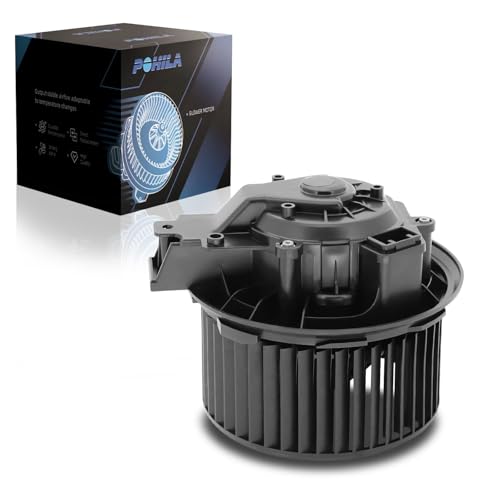
- Blower Motor: Located inside the air handler or furnace, this motor drives the blower wheel that pushes conditioned air through your ductwork. A failing blower motor directly affects indoor airflow and comfort. Learn more in the HVAC blower fan replacement guide.
- Condenser Fan Motor: Located in the outdoor unit, this motor drives the fan that pulls air across the condenser coil to release heat. A failing condenser fan motor can cause the compressor to overheat and trip. See the HVAC fan replacement overview for more detail.
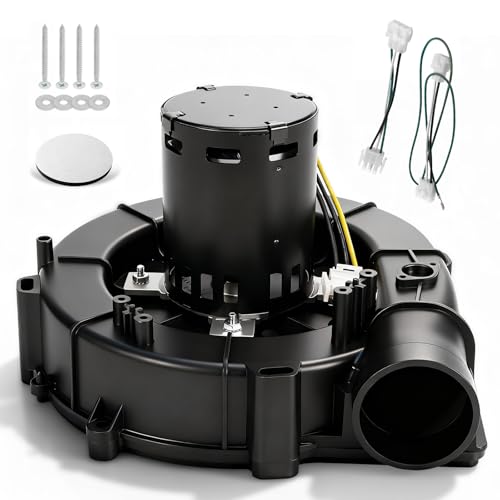
- Inducer Motor (Furnace): Found in gas furnaces, this motor vents combustion gases. Its failure can prevent the furnace from operating safely and may trigger a safety lockout.
- Draft Inducer Motor: Common in high-efficiency furnaces, this motor ensures proper airflow for combustion. Replacement often requires technician-level access.
If you are also considering related repairs, the HVAC actuator overview explains how zone dampers and actuators work alongside motors to control airflow throughout the home.
Understanding HVAC Motor Replacement Tiers
Motor replacements are not all equal. The scope of the job depends on the motor type, accessibility, and the quality tier of the replacement part. We use universal market tiers—essential tier, balanced tier, and top-tier—to describe the relative positioning of replacement options without relying on volatile figures.
| Replacement Tier | Typical Motor Type | Best For | Considerations |
|---|---|---|---|
| Essential Tier | Standard OEM-equivalent motor | Standard residential systems within expected service life | Solid choice for the tier; reliable for everyday operation |
| Balanced Tier | Upgraded motor with improved bearings | Homeowners seeking longer service intervals | Quieter operation and durable construction |
| Top-Tier | Premium variable-speed or ECM motor | High-efficiency systems and multi-stage equipment | Best match for advanced systems; long-term investment |
The right tier depends on your system's design and your long-term comfort goals. A technician may recommend a specific tier based on the existing equipment, ductwork condition, and whether the motor is direct-drive or belt-drive. For a broader view of system-level repairs, see the HVAC repair services overview.
What Affects the Scope of an HVAC Motor Replacement
Several practical factors influence how extensive a motor replacement job becomes. Understanding these helps you set realistic expectations and evaluate technician recommendations.
- Motor Accessibility: Motors located in cramped attics, crawlspaces, or rooftop units require more labor to access and replace. Air handlers in closets or basements are generally easier to service.
- Direct-Drive vs. Belt-Drive: Direct-drive motors are typically simpler to replace. Belt-drive systems may require belt inspection and adjustment as part of the job.
- Related Components: Capacitors, control boards, and motor mounts are often inspected or replaced alongside the motor. A failing capacitor is a common cause of motor symptoms.
- System Age and Condition: Older systems may have brittle wiring or corroded connectors that require additional attention during the replacement.
- Motor Tier Selected: Higher-tier motors may require configuration changes or compatibility checks with the existing control board.
- Permits and Compliance: Some jurisdictions require permits for electrical work or equipment changes. A licensed contractor handles this step.
If you want to compare motor replacement with the broader scope of a new installation, the article on house air conditioners explains system-level considerations. For furnace-related repairs, see the furnace and air conditioning service guide.
Repair or Replace: Weighing the Decision
When a motor fails, homeowners face a classic repair-versus-replace decision. In most cases, replacing a motor is a practical choice if the rest of the system is healthy and within its expected service life. However, if the system is aging or has a history of repeated failures, it may be worth evaluating whole-system replacement as a long-term investment.
Factors that favor motor replacement include a relatively new system, a single isolated failure, and a strong service history. Factors that favor system evaluation include an aging system near the end of its typical lifespan, multiple recent repairs, and outdated refrigerant or efficiency standards.
If you are considering a broader system upgrade, the guide on air conditioning for a house explains the factors that shape a whole-home cooling decision. For furnace-side considerations, the high-efficiency furnace and air conditioner article covers efficiency tiers.
Ready to Explore Replacement Motor Options?
Review recommended blower motors, condenser fan motors, and related components across essential, balanced, and top tiers. Compare features and compatibility before making your decision.
View Recommended MotorsPreventive Maintenance for Longer Motor Life
Regular maintenance is the most effective way to extend the life of HVAC motors. Simple steps—such as keeping filters clean, ensuring proper airflow, and scheduling annual inspections—can prevent premature failure and reduce the likelihood of unexpected breakdowns.
A scheduled maintenance plan typically includes lubrication of bearings (where applicable), inspection of capacitors and electrical connections, and cleaning of blower wheels and condenser coils. The furnace evaporator coil cleaning guide explains how coil cleanliness affects airflow and motor load.
Homeowners who want to be proactive about system health can also review the ENERGY STAR HVAC overview to understand how efficient systems reduce wear on motors over time.