Heating and Air Conditioning Duct Cleaning: The Complete Guide
Discover why duct cleaning matters for indoor air quality, how the professional process works, warning signs that your ducts need attention, and how to choose the right service.
START LEARNINGAC Units Guide Philosophy: We believe that well-informed homeowners make confident decisions. This guide walks you through the fundamentals of heating and air conditioning duct cleaning so you can understand what a quality service looks like, when it is genuinely needed, and how to evaluate providers before you commit.
Why Duct Cleaning Matters for Your Home
Your HVAC system circulates air through a network of ducts that can span dozens of feet behind walls, above ceilings, and under floors. Over time, dust, pollen, pet dander, and debris accumulate inside these passageways. When the system runs, that buildup can be pulled into living spaces, affecting the air your family breathes every day. Understanding heating and air conditioning duct cleaning is the first step toward a healthier indoor environment.
A clean duct system also helps your equipment run more efficiently. Restricted airflow forces the blower motor to work harder, which can increase wear on components and reduce the system's ability to distribute conditioned air evenly. Homeowners researching HVAC cleaning services often find that addressing duct hygiene is a practical complement to regular filter changes and seasonal tune-ups.
Improved Indoor Air Quality
Removing accumulated dust and allergens from ductwork reduces the particles released into your living spaces during every heating and cooling cycle.
Better System Efficiency
Unobstructed airflow allows the blower and heat exchanger to operate closer to design specifications, supporting consistent comfort throughout the home.
Extended Equipment Lifespan
Less strain on the blower motor and other components can contribute to a longer service life for your furnace and air conditioner.
Reduced Odors
Stale air and musty smells trapped in ductwork are often resolved once debris and microbial buildup are professionally removed.
Warning Signs Your Ducts Need Cleaning
Not every home requires duct cleaning on a fixed schedule. The U.S. EPA advises that cleaning is warranted when there is visible evidence of contamination or when occupants experience related health concerns. Watch for these indicators:
- Visible debris at registers: Dark streaks or dust puffing from supply vents when the system starts.
- Persistent musty odors: A stale or moldy smell that lingers even after filter changes may indicate microbial growth inside ducts.
- Recent renovation or water damage: Construction dust or moisture intrusion can introduce significant contamination into the duct system.
- Pest activity: Rodent droppings, insects, or nesting material found near duct openings.
- Excessive dust in the home: Surfaces re-soil quickly despite regular cleaning and healthy filtration.
- Allergy flare-ups indoors: Occupants experience worsening symptoms when the HVAC system is running.
If you notice several of these signs, it is worth having a qualified technician inspect the system. A thorough inspection should include access points throughout the duct run, not just a glance at the registers. For homeowners also evaluating equipment upgrades, understanding HVAC contracting standards helps set expectations for professional service quality.
How Professional Duct Cleaning Works
A reputable duct cleaning service follows a structured process rather than a quick surface wipe. While methods vary by provider and system configuration, most quality services include the following stages:
- System Inspection and Assessment Technicians evaluate the duct layout, identify contamination levels, and check for disconnected sections, leaks, or damaged insulation before cleaning begins.
- Source Removal with Negative Pressure A high-powered vacuum collection unit is connected to the duct system, creating negative pressure that captures dislodged debris rather than redistributing it into the home.
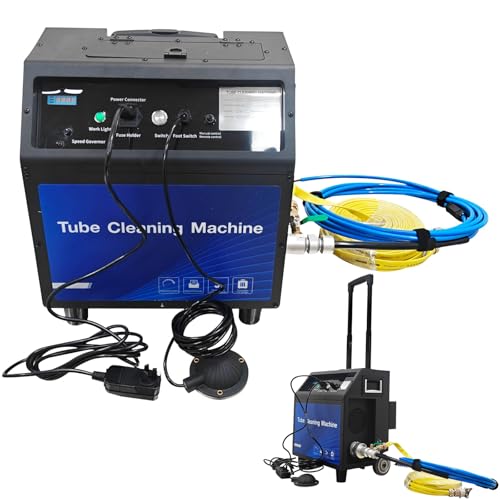
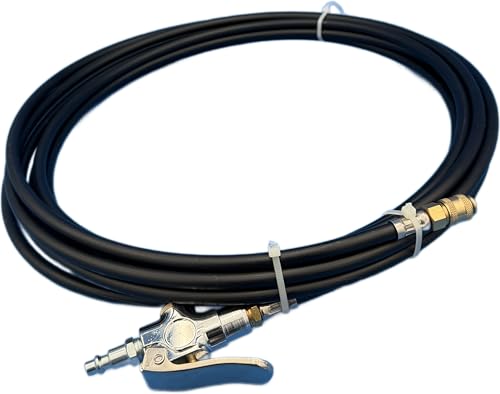
- Mechanical Agitation Rotary brushes, air whips, or compressed-air tools are used to loosen stubborn buildup from duct walls, then the debris is extracted through the vacuum system.
- Component Cleaning Registers, grilles, diffusers, and accessible system components such as the blower and coil area are cleaned as part of a comprehensive service.
- Verification and Reassembly After cleaning, technicians confirm that access panels are properly sealed and the system is reassembled correctly. Some providers offer before-and-after documentation.
Be cautious of providers who offer a very brief service or who rely solely on chemical sprays without mechanical agitation and source removal. Quality work takes time and proper equipment. If your home also has a clothes dryer vent, a professional may recommend dryer vent cleaning service as a complementary safety measure, since lint accumulation presents a separate fire risk.
Comparing Service Tiers
Duct cleaning offerings vary widely in scope. The table below outlines typical service levels so you can evaluate what a provider includes. Descriptors reflect market positioning rather than any specific numeric figures.
| Service Tier | Typical Scope | Best For |
|---|---|---|
| Essential tier | Basic vacuuming of accessible duct runs, register removal and cleaning, visual inspection. | Homes with light dust accumulation and no signs of contamination. |
| Mid-range | Full source removal with negative pressure, mechanical agitation of main trunks, component cleaning, before-and-after photos. | Most households seeking thorough cleaning and verifiable results. |
| High-end tier | Comprehensive cleaning including branch lines, sanitizing application where appropriate, HVAC coil and blower inspection, detailed documentation. | Homes after renovation, water damage, or with allergy concerns. |
| Professional-grade | Full commercial-scale equipment, duct sealing recommendations, system performance verification, and multi-point access cleaning. | Large homes, complex duct layouts, or properties with persistent air quality issues. |
When requesting quotes, ask specifically what equipment will be used, how many access points will be created, and whether the blower and coil will be addressed. A well-specified mid-range or high-end tier service typically offers good value for its class because it includes both source removal and verification steps.
How to Choose a Duct Cleaning Provider
Selecting the right contractor matters more than the service name on the invoice. Consider these factors before booking:
- Verify credentials: Confirm licensing, insurance, and membership in industry associations such as NADCA (National Air Duct Cleaners Association).
- Request a scope of work: A written description of what will be cleaned, how access will be obtained, and what equipment will be used.
- Avoid pressure tactics: Be wary of unsolicited offers, scare tactics about "toxic mold," or bait-and-switch promotions.
- Ask about containment: Quality providers use negative pressure and containment to protect your home during the process.
- Check for post-service support: A reputable company stands behind its work and provides documentation of the cleaning performed.
For homeowners also planning related improvements, such as sealing or replacing duct runs, understanding ducted heating duct replacement can help you evaluate whether cleaning alone is sufficient or whether duct upgrades should be part of the conversation.
Maintenance and Prevention Tips
Duct cleaning is not a one-time fix. Ongoing habits keep the system cleaner between professional services:
- Change filters regularly: Follow manufacturer guidance and check monthly during peak heating and cooling seasons.
- Seal leaks: Gaps at joints and connections draw in unconditioned, dusty air from attics, crawlspaces, and garages.
- Control indoor humidity: Keeping relative humidity in a moderate range discourages mold growth inside ductwork.
- Address water intrusion promptly: Fix roof leaks, plumbing drips, and condensation issues before they reach the duct system.
- Schedule periodic inspections: An inspection every few years, or after major renovations, helps catch contamination early.
Homeowners dealing with moisture or air quality concerns may also benefit from an energy recovery ventilation system, which introduces fresh air while recovering energy from exhaust air and can reduce the burden on the HVAC system. For broader equipment decisions, reviewing heating and cooling systems for homes provides context on how ductwork fits into the overall system picture.
Frequently Asked Questions
Ready to Explore Your Options?
Compare duct cleaning service tiers, review provider credentials, and make an informed decision for your home's indoor air quality.
Explore Service Options