Heating and Air in My Area: Your Local HVAC Guide
If you are searching for heating and air in my area, this guide walks you through how to find trusted local contractors, compare system types, understand what installation involves, and keep your home comfortable year-round.
Find Local ContractorsWhy this page matters: Searching for “heating and air in my area” usually means you are ready to act — either your system has failed, you are upgrading, or you are moving into a new home. This guide helps you move from research to a confident decision by explaining what local HVAC services include, how to vet providers, and which system types fit different homes.
What “Heating and Air in My Area” Really Covers
When you search for heating and air services near you, you are typically looking for a licensed HVAC company that handles both sides of home comfort: heating in winter and cooling in summer. A full-service local provider usually offers:
- System design and sizing — load calculations to match equipment to your home, not guesswork.
- Equipment selection — helping you choose between a split system, packaged unit, ductless mini-split, or heat pump.
- Professional installation — proper line-set routing, electrical work, duct connections, and refrigerant charging.
- Repair and diagnostics — troubleshooting no-heat, no-cool, leaks, strange noises, and short cycling.
- Preventive maintenance — seasonal tune-ups that protect efficiency and extend equipment life.
- Duct services — sealing, insulation, and duct cleaning to improve airflow and indoor air quality.
Understanding the full scope helps you ask better questions when you call a local provider. It also prevents surprises when a quote includes work you did not expect, such as duct modifications or electrical upgrades.
How to Find Trusted Heating and Air Contractors Near You
Search results for local HVAC companies can feel overwhelming. Use a structured approach to narrow the list to providers who are qualified, insured, and experienced with your type of home and system.
- Verify licensing and insurance — confirm the company holds the required state or local HVAC license and carries liability and workers’ compensation insurance.
- Check reviews across multiple platforms — look for consistent feedback on punctuality, communication, and workmanship, not just star ratings.
- Ask about manufacturer certifications — factory-authorized dealers often have access to better warranty support and training.
- Request written estimates from at least three providers — compare scope, equipment tier, and included services rather than a single line item.
- Confirm warranty terms — ask about labor warranty length, parts warranty registration, and whether the warranty transfers if you sell your home.
- Ask for references from similar homes — a contractor experienced with your home style and system type is a safer choice.
If you want a shortcut, you can start with our guide to heating and cooling companies in my area to understand what to expect from local providers before you call.
Common Heating and Air System Types in Local Homes
Not every home is suited to the same equipment. The right choice depends on whether you have ductwork, how your home is constructed, and whether you want a combined heating and cooling solution. Here is a comparison of the most common options local contractors install.
| System Type | Best For | Tier Positioning | Key Considerations |
|---|---|---|---|
| Central Split System | Homes with existing ductwork | Essential to premium tier | Combines a furnace or air handler with an outdoor condenser; relies on well-sealed ducts. |
| Ductless Mini-Split | Homes without ducts, additions, and single rooms | Mid-range to high-end tier | Zoned comfort, high efficiency, and simpler installation than full ductwork. |
| Heat Pump System | Mild to moderate climates | Mid-tier to top-tier | Provides both heating and cooling in one unit; efficiency varies by climate. |
| Packaged Unit | Small homes and properties without interior equipment space | Starter to mid-range tier | All components in one outdoor cabinet; common in certain regional building styles. |
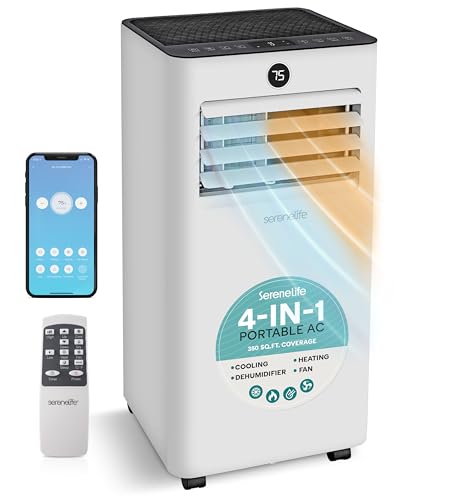
| Window and Portable Units | Renters, single rooms, and temporary cooling | Entry-level tier | Simple installation and no ductwork, but limited coverage and lower efficiency. |
If your home lacks ductwork, explore ductless heating and air conditioning units before committing to a ducted system. For homes with existing ducts, a combined heating and air conditioning unit is often the most straightforward replacement path.
What to Expect During a Local HVAC Installation
Installation quality has a major impact on how long your system lasts and how efficiently it runs. A professional local contractor should follow a clear process:
- In-home assessment — measuring rooms, inspecting ductwork, checking insulation, and reviewing electrical capacity.
- Load calculation — a proper sizing calculation rather than a rule-of-thumb estimate.
- Written proposal — equipment model numbers, scope of work, timeline, and warranty details.
- Permits — many jurisdictions require permits for HVAC replacement or new installations.
- Installation day — removal of old equipment, placement of new components, refrigerant line connections, and electrical hookups.
- Commissioning and testing — airflow measurement, refrigerant charge verification, and thermostat configuration.
- Walkthrough — a review of controls, filter maintenance, and warranty registration.
If you are comparing system options before installation, our overview of heating and air conditioning units explains how equipment categories differ. You can also review heating and air conditioning wall units if space is limited.
Maintenance Tips to Protect Your Local HVAC System
Regular maintenance keeps your system efficient and helps you avoid emergency calls during peak season. Local contractors typically recommend the following habits:
- Replace or clean air filters every one to three months, depending on pets, dust, and usage.
- Schedule seasonal tune-ups — one in spring for cooling and one in fall for heating.
- Keep outdoor units clear of leaves, debris, and obstructions that restrict airflow.
- Check thermostat settings and consider a programmable or smart thermostat for better scheduling.
- Seal duct leaks to reduce energy waste and improve comfort in every room.
- Monitor unusual sounds or smells and address them before they become larger repairs.
For thermostat guidance, see our resource on the heating and air conditioning thermostat. If you suspect duct issues, a professional heating and air duct cleaning service can assess buildup and airflow problems.
Choosing the Right Tier of Heating and Air Equipment
Equipment tiers describe relative positioning in the market rather than a specific figure. Understanding the tiers helps you match your home and long-term plans to the right category.
| Tier | Typical Characteristics | Best For |
|---|---|---|
| Entry-level | Essential features, standard efficiency, straightforward controls | Rentals, single rooms, and budget-conscious replacements |
| Mid-range | Better efficiency, quieter operation, improved warranties | Primary residences replacing aging equipment |
| Premium | High-efficiency components, variable-speed options, smart controls | Homeowners prioritizing long-term efficiency and comfort |
| Top-tier / professional-grade | Advanced features, robust construction, extended warranty support | Large homes, multi-zone systems, and premium comfort goals |
When you request quotes, ask each contractor to explain which tier the proposed equipment belongs to and why it suits your home. This keeps the conversation focused on suitability rather than a single number.
Repair or Replace? Guidance for Local Homeowners
One of the most common questions local contractors hear is whether to repair an aging system or replace it. Consider these factors:
- Age of the system — equipment nearing or past its expected service life is often a candidate for replacement.
- Frequency of repairs — repeated service calls within a short period can signal declining reliability.
- Efficiency losses — rising energy use without a clear cause may indicate system degradation.
- Refrigerant type — older refrigerants can complicate repairs and parts availability.
- Comfort complaints — uneven temperatures and humidity issues sometimes point to system design problems.
If replacement is on the table, review our guide to heating and air units to compare equipment categories before you request proposals.
Ready to Connect With Local Heating and Air Pros?
Use our local contractor guide to understand what to ask, how to compare proposals, and how to choose the right provider for your home.
Explore Local Contractor GuideFrequently Asked Questions
How do I find heating and air in my area?
Start by verifying licensing and insurance, then compare written proposals from at least three local providers. Reviews, manufacturer certifications, and references from similar homes help you narrow the list to a qualified contractor.
What is the difference between heating and air conditioning units?
Heating and air conditioning units describe equipment that provides both warmth in winter and cooling in summer. Many modern systems combine both functions in one package, while others use separate furnace and air conditioner components paired with shared ductwork.
Do I need a ductless system for my home?
Ductless systems are ideal for homes without existing ductwork, additions, and single rooms that need independent temperature control. If your home already has well-maintained ducts, a ducted system may be more practical.
How often should local HVAC systems be serviced?
Most professionals recommend two service visits per year: one before the cooling season and one before the heating season. Regular maintenance helps preserve efficiency and reduces the risk of unexpected breakdowns.
What should I ask a local heating and air contractor?
Ask about licensing, insurance, manufacturer certifications, warranty coverage, load calculation practices, permit handling, and whether they provide a written proposal with model numbers and a clear scope of work.