Heating Options for a House Without Ductwork
Discover practical, energy-efficient ways to keep your ductless home warm through the colder months. Compare mini-split heat pumps, wall heaters, baseboard systems, and more before making your choice.
Explore Heating SolutionsUnderstanding the Ductless Heating Challenge
A house without ductwork cannot rely on a traditional forced-air furnace or central heat pump. Instead, heating must be delivered directly into each room or zone. The good news is that today's market offers several mature technologies designed precisely for this scenario — many of which also provide cooling, making them true year-round comfort solutions. If you are also considering cooling, you can explore ductless heating and air conditioning units that handle both functions in a single system.
When evaluating any option, pay attention to four factors: installation complexity, energy efficiency, zone control, and long-term reliability. A system that fits one home perfectly may be a poor match for another. The sections below break down each technology so you can match it to your floor plan, climate, and lifestyle.
Top Heating Options for Homes Without Ducts
The following options are ranked from most comprehensive to most localized. Most homeowners combine two or more of these approaches for optimal comfort.
How the Options Compare
Use the table below to compare the main ductless heating categories at a glance. Remember that the right choice depends on your climate zone, home layout, and whether you also need cooling.
| Heating Option | Tier / Category | Best For | Cooling Capability | Installation Scope |
|---|---|---|---|---|
| Mini-Split Heat Pump | Top-tier | Whole-home or multi-zone comfort | Yes — heating and cooling | Moderate — wall penetration and line set |
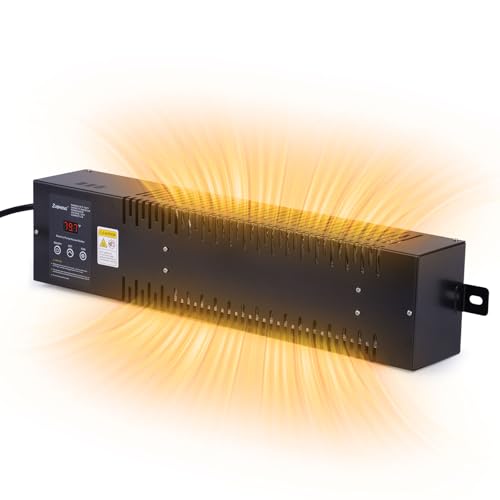
| Electric Wall Heater | Mid-range | Individual rooms and additions | No | Low — exterior wall mount |
| Electric Baseboard Heater | Essential tier | Small rooms, backups, mild climates | No | Low — wiring only |
| Radiant Floor Heating | Premium | Bathrooms, kitchens, full renovations | No | High — floor access required |
| Wood / Pellet Stove | High-end tier | Open floor plans and off-grid resilience | No | Moderate to high — venting required |
| Portable Space Heater | Starter tier | Supplemental and temporary warmth | No | None |
Why Mini-Split Heat Pumps Lead the Pack
For most homeowners researching heating options for a house without ductwork, the ductless mini-split heat pump emerges as the strongest all-around solution. It eliminates the biggest weakness of electric resistance heating — high energy consumption — by moving heat rather than generating it. Modern cold-climate models remain effective well below freezing.
If you want to understand the underlying technology in more detail, our overview of ductless heating and air conditioning systems explains how refrigerant cycles deliver warmth and cooling through the same equipment. Homeowners who also need summer comfort will appreciate that a single installation addresses both seasons. For rooms that need dedicated coverage, explore heating and cooling units for individual rooms.
Key Advantages of Mini-Splits
Zoning: Each indoor air handler operates independently, so you can heat the living room while leaving unused bedrooms off. Efficiency: Inverter-driven compressors modulate output smoothly instead of cycling on and off. Footprint: Indoor units are slim and wall-mounted; outdoor units are compact. Air quality: Multi-stage filtration is standard on many models.
The main considerations are professional installation and the fact that each indoor unit requires a wall penetration for refrigerant lines and drainage. For a detailed look at how these systems are configured, see our guide on heating with a mini-split.
How to Choose the Right Heating Option
Work through the following decision framework to narrow your options. Each question builds on the previous one.
Quick Decision Framework
- Do you also need cooling? If yes, a mini-split heat pump is the most logical choice because it handles both seasons.
- Is the home a full-time residence in a cold climate? A cold-climate mini-split or a combination of mini-splits and a pellet stove provides reliable winter performance.
- Are you heating one or two rooms only? Electric wall or baseboard heaters may be sufficient and simpler to install.
- Are you renovating floors or bathrooms? Radiant floor heating delivers premium comfort and pairs well with other systems.
- Do you need resilience during outages? A wood or pellet stove offers independence from the electrical grid.
- Is this a temporary or seasonal need? Portable heaters bridge the gap until a permanent solution is installed.
Installation and Efficiency Considerations
Every ductless heating option has installation implications. Electric baseboard and wall heaters require dedicated circuits and, in older homes, a panel capacity check. Mini-splits require a licensed HVAC technician to handle refrigerant lines, vacuum the system, and commission the equipment. Radiant floors are most practical during renovation. Stoves require clearance to combustibles and proper venting.
On efficiency, heat pumps consistently outperform electric resistance by a wide margin because they move existing heat rather than converting electricity directly into heat. If you are comparing whole-home comfort strategies, our article on combined heating and air conditioning units outlines how integrated systems are planned. For homes in milder regions, heating and cooling options for small homes provides additional context on right-sizing equipment.
Combining Systems for Best Results
Many ductless homes use a hybrid approach. A common pattern is a mini-split heat pump as the primary system for living areas, with electric baseboard or wall heaters in bathrooms and bedrooms as supplemental or backup heat. Another pattern pairs a mini-split with a pellet stove for homes that want strong radiant warmth in a central space plus reliable zone comfort elsewhere.
If you are planning a broader comfort upgrade, consider how heating integrates with the rest of your home systems. Resources on heating and air systems and heating and air conditioning units can help you see the full picture before committing to a design.
Frequently Asked Questions
Final Thoughts Before You Decide
Heating a house without ductwork is no longer a compromise. From whole-home mini-split heat pumps to targeted wall heaters and radiant floors, the available options cover every budget tier and comfort preference. The key is to match the system to your climate, your floor plan, and whether you also need cooling. Start with a professional load calculation, verify electrical capacity, and choose a tier that fits your long-term plan for the home.
When you are ready to explore equipment, the product recommendations below highlight ductless heating solutions across multiple categories. Compare features carefully and confirm compatibility with your home's electrical setup before purchasing.