How to Clean AC Condenser Coils
Boost your air conditioner's efficiency and extend its lifespan with a thorough condenser coil cleaning. Step-by-step instructions, tools, and safety tips.
Start Cleaning →The condenser coils are located in the outdoor unit of your air conditioning system. They release heat absorbed from your home to the outside air. Over time, dirt, leaves, grass clippings, and debris accumulate on the coils, reducing heat transfer and making your AC work harder. This leads to higher energy bills and premature system failure.
Cleaning the condenser coils at least once a year (or twice if you live in a dusty area) is one of the most impactful maintenance tasks you can perform. In this guide, we'll walk you through the entire process — from safety precautions to finishing touches — so you can keep your AC running at peak performance.
Regular cleaning not only improves cooling but also directly affects your system's energy efficiency ratings (SEER, EER, HSPF). A clean condenser coil can improve efficiency by up to 10–15%.
🧰 Tools & Materials You'll Need
- Garden hose with spray nozzle
- Condenser coil cleaner (foaming cleaner recommended)
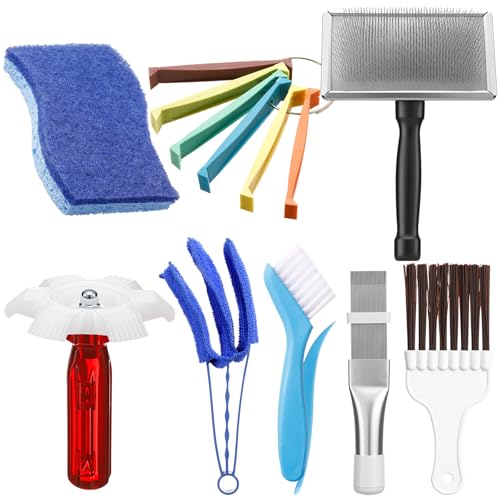
- Soft-bristle brush or fin comb
- Work gloves and safety glasses
- Vacuum with brush attachment (optional)
- Rags or old towels
- Wire brush (for heavy debris)
Pro tip: Use a biodegradable coil cleaner to protect your landscaping.
Step-by-Step Cleaning Process
- 1. Turn off power to the unit. Locate the disconnect box near the outdoor unit or switch off the circuit breaker. This is a critical safety step — never work on electrical components while powered.
- 2. Remove debris from the exterior. Clear away leaves, grass, and dirt from the top grille and sides. Use a vacuum with a brush attachment or a soft-bristle brush to gently remove loose debris.
- 3. Remove the fan grille and fan (if accessible). Many units have a removable top grille. Carefully take it off to expose the coils. If the fan is in the way, note the wiring and remove it (take a photo for reference).
- 4. Spray coil cleaner on the fins. Apply a generous amount of foaming coil cleaner to the inside and outside of the condenser coils. Let it sit for 5–10 minutes as directed by the product instructions. The foam will lift dirt and grime.
- 5. Rinse thoroughly with a garden hose. Using a gentle spray (not a pressure washer), rinse from the inside out to push debris away from the coils. Spray at a slight angle to avoid bending the fins.
- 6. Straighten bent fins (optional). If you notice bent fins, use a fin comb to carefully straighten them. This restores airflow and efficiency.
- 7. Clean the area around the unit. Trim back any vegetation within 2 feet of the unit. Ensure the condensate drain is clear to prevent water buildup.
- 8. Reassemble and restore power. Replace the fan and grille, reconnect wiring (if removed), and turn the power back on. Wait 30 minutes before running the AC to allow any moisture to evaporate.
Neglected condenser coils can lead to frozen AC coils and reduced cooling capacity. Regular cleaning is part of a broader HVAC maintenance plan that includes filter changes and drain line checks.
Pro Tips & When to Call a Professional
- Frequency: Clean at least once per year (spring) and after heavy pollen or construction near your home.
- Safety: Always wear gloves and eye protection. Avoid using high-pressure washers — they can bend the fins.
- Signs you need professional help: If the coils are severely corroded, refrigerant lines are damaged, or you notice oil stains (possible refrigerant leak), call a licensed HVAC technician.
- Combine with other maintenance: While cleaning the outdoor unit, also check the condensate drain line and clean or replace your indoor air filter.
A clean condenser coil can reduce your monthly cooling costs by up to 15%. For more ways to save, explore our guide on how to reduce your AC electricity bill.
Ready to clean your condenser coils? Follow the steps above and enjoy a cooler home and lower energy bills. If you need replacement parts or a new energy-efficient unit, check out our recommended products below.