
Frozen AC Coils: Causes, Fixes & Prevention
Discover why your air conditioner coils freeze, how to safely thaw them, and what you can do to prevent it from happening again. Get expert insights on airflow, refrigerant, and maintenance.
Jump to SolutionsIf you’ve noticed ice building up on your air conditioner’s indoor unit or the outdoor lineset, you’re dealing with frozen AC coils. This is a common but serious problem that reduces cooling efficiency, increases energy bills, and can lead to compressor failure if left unaddressed.
In this comprehensive guide, we’ll explain why AC coils freeze, how to fix the issue step by step, and how to prevent it from recurring. Whether you’re a homeowner or a renter, this information will help you save money and extend the life of your cooling system.
Why Do AC Coils Freeze? (Common Causes)
Frozen evaporator coils occur when the refrigerant inside the coil drops below freezing, and moisture from the air condenses and freezes on the coil surface. This is usually triggered by one of the following issues:
- Restricted Airflow: Dirty air filters, blocked vents, or closed registers reduce the warm air passing over the coil, causing the refrigerant to get too cold and freeze.
- Low Refrigerant Charge: A leak or undercharge lowers the pressure in the evaporator coil, causing the refrigerant to expand excessively and drop the coil temperature below freezing.
- Malfunctioning Blower Fan: If the fan isn’t moving enough air across the coil, the same low-temperature condition occurs.
- Thermostat Issues: Running the AC when outdoor temperatures are below 60°F can cause the coil to freeze because there’s not enough heat load.
- Dirty Coils: Dust and debris on the evaporator coil insulate it and reduce heat transfer, leading to freezing.
Understanding the root cause is the first step to a permanent fix. In many cases, the solution is simple and DIY-friendly, such as cleaning your condenser coils or replacing a dirty filter.
How to Fix Frozen AC Coils: Step-by-Step Guide
Before you call a professional, you can try these steps to thaw your coils and restore normal operation. Safety first: Turn off the AC at the thermostat before starting.
Switch the thermostat to "OFF" and turn off the circuit breaker for the AC unit. This stops the compressor and allows the ice to melt.
A clogged filter is the number one cause of frozen coils. If it’s dirty, replace it with a new one. Learn how often to change your air filter.
Ensure all supply vents are open and unobstructed by furniture or drapes. This restores proper airflow.
This can take 2 to 24 hours depending on the ice buildup. You can speed up the process by turning on the fan (without cooling) to blow room-temperature air over the coil.
While the coil is thawing, check that the condensate drain line is not clogged. A blocked drain can cause water to back up and freeze on the coil.
After the ice is completely gone, turn the AC back on. If it freezes again within a short time, you likely have a refrigerant issue or a mechanical problem that requires professional diagnosis.
If you’ve completed these steps and the coil still freezes, it’s time to call an HVAC technician. They can perform a refrigerant leak test, check the expansion valve, and ensure your system is properly charged.
Preventing Frozen AC Coils
Prevention is always better than repair. Follow these maintenance habits to keep your AC running smoothly and avoid frozen coils:
- Change your air filter every 1–3 months – especially during peak cooling season.
- Schedule annual HVAC maintenance – a professional can clean coils, check refrigerant levels, and inspect the blower fan.
- Keep outdoor unit clear – remove leaves, dirt, and debris that can restrict airflow.
- Avoid running AC when it’s below 60°F – if you need cooling in mild weather, consider using a fan or opening windows instead.
- Check your thermostat settings – ensure the fan is set to "AUTO" rather than "ON" to prevent continuous moisture accumulation.
For more detailed maintenance advice, read our HVAC maintenance guide and energy audit for HVAC to improve overall system efficiency.
When to Call a Professional for Frozen Coils
While many cases of frozen coils can be resolved with simple DIY steps, certain situations require the expertise of a licensed HVAC technician. Call a pro if:
- You’ve thawed the coil and it freezes again within hours.
- You notice hissing or bubbling sounds (indicative of a refrigerant leak).
- The outdoor unit is also icing up or making unusual noises.
- You have low airflow even after changing the filter and checking vents.
- Your system is more than 10 years old and has had multiple issues.
A professional can perform a system efficiency check and identify underlying problems like a faulty expansion valve, dirty evaporator coil, or incorrect refrigerant charge. They can also advise you on whether it’s more cost-effective to repair or replace your unit.
If you’re considering a replacement, check out our guides on cost to replace air conditioning unit and high SEER air conditioners for energy savings.
Frequently Asked Questions About Frozen AC Coils
- Can I still run my AC with frozen coils? No, running the system with ice on the coils can damage the compressor and lead to costly repairs.
- How long does it take for AC coils to thaw? Depending on the ice thickness, it can take 2–24 hours. Using the fan-only setting can speed up the process.
- Will frozen coils cause water damage? Yes, as the ice melts, water can overflow the drain pan and cause leaks. Check your condensate drain line to prevent flooding.
- Can a dirty evaporator coil cause freezing? Absolutely. Dirt acts as an insulator, reducing heat transfer and causing the coil to freeze.
- Is a frozen coil a sign of low refrigerant? It’s one of the most common causes. If airflow is good and the filter is clean, a refrigerant leak is likely.
For more answers, visit our FAQ page or explore other AC troubleshooting guides.
⚠️ AFFILIATE DISCLOSURE: This website contains affiliate links. As an Amazon Associate, we earn from qualifying purchases. If you make a purchase through these links, we may receive a small commission at no additional cost to you. Read our full affiliate policy.
Top-Rated AC Units & Accessories

Ac Fin Comb Set, 12 Sizes for Coil Repair, Abs Plastic | Color-coded dual-size pieces, for condenser evaporator mini split window refrigerator coils, ABS plastic
Check price on Amazon
Frozen Coil HVAC Technician Funny AC Repair Humor T-Shirt
Check price on Amazon
Frozen Coil HVAC Technician Funny AC Repair Humor Stainless Steel Insulated Water Bottle
Check price on Amazon
Frozen Coil HVAC Technician Funny AC Repair Humor Stainless Steel Insulated Tumbler
Check price on Amazon
Frozen Coil HVAC Technician Funny AC Repair Humor Stainless Steel Insulated Water Bottle
Check price on Amazon
Frozen Coil HVAC Technician Funny AC Repair Humor Stainless Steel Insulated Tumbler
Check price on Amazon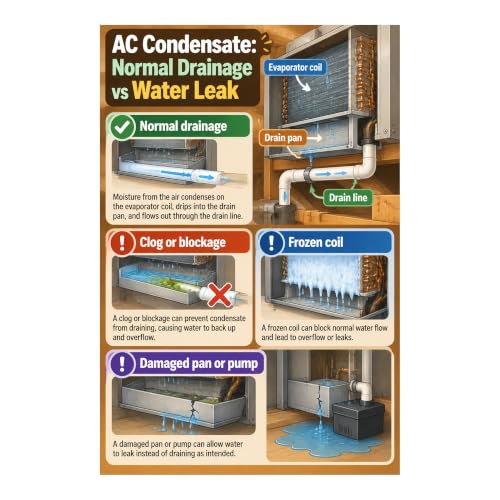
AC Condensate Drainage Poster, Clog Leak and Frozen Coil Guide | AC Condensate Wall Chart Showing Normal Drainage, Blockage, Frozen Coil and Leaks(Unframed,8x12inch(20X30cm))
Check price on Amazon