Whole House Humidifier: Complete Cost & Buying Guide
Everything you need to know about whole house humidifier pricing, installation, and choosing the right system for your home comfort.
START LEARNINGWhy This Guide Matters: A whole house humidifier is a long-term investment in your home's comfort and air quality. Before making a purchase, understand the true scope of ownership — equipment tier, installation complexity, and ongoing operating expenses. This guide walks you through every factor that influences your total investment so you can make a confident, informed decision.
Understanding Whole House Humidifiers
A whole house humidifier integrates directly with your home's HVAC system to distribute moisture evenly across every room. Unlike portable units that serve a single space, a whole house system connects to your furnace or air handler and delivers consistent humidity through existing ductwork. This makes it an ideal solution for homeowners dealing with dry air, static electricity, wood flooring cracks, and respiratory discomfort during heating season.
There are three primary categories of whole house humidifiers, each with distinct characteristics:
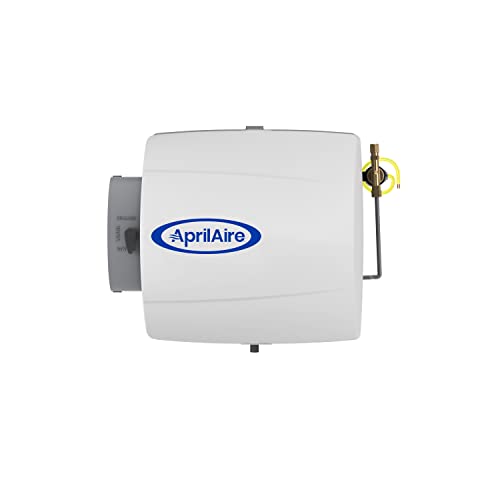
- Bypass Humidifiers: The most common and straightforward type. Warm air from the furnace passes through a water-soaked pad, picking up moisture before circulating through your ducts. They rely on the furnace fan and are well-suited for moderate climates.
- Fan-Powered Humidifiers: Similar to bypass models but include their own fan to push air through the humidifier pad. They operate independently of furnace airflow and are more effective in tighter duct systems or homes with variable-speed blowers.
- Steam Humidifiers: These boil water to produce steam that is injected directly into the ductwork. They offer the highest humidity output and precise control, making them suitable for larger homes or very dry climates. They require more electrical power and professional installation.
When researching humidifier for whole house cost factors, it helps to understand that the type you select significantly influences both the equipment tier and installation complexity. A bypass unit sits at the entry-level tier, while a steam system occupies the premium tier due to its advanced components and electrical requirements.
What Influences the Overall Investment
Several variables determine the total scope of your humidifier investment. Understanding these factors helps you plan effectively and avoid surprises:
- Humidifier Type: Bypass units are the most straightforward and typically occupy the entry-level tier. Fan-powered models sit in the mid-range, while steam humidifiers command premium positioning due to their advanced technology and higher moisture output.
- Home Size & Layout: Larger homes with complex ductwork may require higher-capacity units or multiple zones. A 3,000+ square foot home might need a steam unit or a high-capacity fan-powered model, which influences both equipment selection and installation labor.
- Installation Complexity: Factors like proximity to water lines, electrical outlets, and duct access affect labor time. Retrofitting a humidifier into an older home without dedicated plumbing or electrical nearby can increase the installation scope.
- Professional Labor: HVAC technicians charge for their time and expertise. Installation typically takes 2–4 hours for bypass units and up to 6–8 hours for steam systems. Licensing requirements and local labor rates vary by region.
- Additional Components: Water filtration systems, smart controllers, and humidistats can add to the equipment tier. A smart humidistat that integrates with your thermostat (such as a smart AC thermostat) provides precise control and can improve efficiency.
- Maintenance & Operating Expenses: Ongoing considerations include water consumption, replacement pads (for bypass and fan-powered units), and periodic professional servicing. These are long-term ownership factors that contribute to the overall investment picture.
Because pricing varies significantly by region, installer, and specific configuration, we avoid quoting figures. Instead, we focus on helping you understand the relative positioning of each option so you can request accurate quotes from qualified professionals.
Humidifier Type Comparison
| Humidifier Type | Market Tier | Best For | Installation Scope | Maintenance Level |
|---|---|---|---|---|
| Bypass Humidifier | Entry-Level | Moderate climates, standard duct systems, homes under 2,500 sq ft | Moderate — requires water line and duct connection | Low — annual pad replacement |
| Fan-Powered Humidifier | Mid-Range | Tighter duct systems, variable-speed furnaces, homes 2,000–3,500 sq ft | Moderate — requires water line, electrical, and duct connection | Low to Moderate — annual pad replacement and fan inspection |
| Steam Humidifier | Premium | Large homes, very dry climates, precise humidity control needs | High — requires dedicated electrical circuit, water line, and duct integration | Moderate — periodic canister or electrode replacement, professional servicing recommended |
How to Choose the Right Whole House Humidifier
Selecting the right humidifier goes beyond comparing features. Consider these practical guidelines to narrow your options:
- Assess Your Home's Humidity Needs: Homes in arid climates or those with forced-air heating systems that dry out indoor air benefit most. If your home consistently drops below 30% relative humidity during winter, a whole house solution is worth considering.
- Match Capacity to Home Size: Humidifier capacity is measured in gallons per day (GPD). A 2,000-square-foot home typically needs 12–17 GPD, while larger homes may require 18 GPD or more. Steam units offer the highest output for the most demanding applications.
- Evaluate Your Duct and HVAC Configuration: Bypass units work best with standard furnaces and adequate duct static pressure. If you have a variable-speed blower or a heat pump system, a fan-powered or steam unit may integrate more effectively. Understanding your existing energy-efficient HVAC systems setup helps your contractor recommend the right match.
- Consider Installation Access: Steam units require a dedicated electrical circuit, which may necessitate an electrician. Bypass and fan-powered units typically run off the furnace's existing power or a nearby outlet. Proximity to a water line and drain is also important.
- Plan for Maintenance: All humidifiers require some maintenance. Bypass and fan-powered units need annual pad replacement and periodic cleaning. Steam units may require canister replacement every 1–3 years depending on water quality. Factor these into your long-term ownership plan.
- Look for Smart Controls: A humidistat with outdoor temperature reset capability prevents condensation on windows and optimizes moisture output. Some premium controllers integrate with home automation systems, allowing you to monitor and adjust humidity alongside your smart thermostat.
For homeowners also considering air conditioning upgrades, it is worth noting that proper humidity control works alongside your cooling system. If you are evaluating broader HVAC improvements, exploring energy-efficient HVAC systems can provide a more comprehensive comfort solution.
Installation: What to Expect
Professional installation is strongly recommended for whole house humidifiers. While bypass units appear straightforward, proper installation involves water line connections, drain routing, duct modifications, and electrical work. Improper installation can lead to water damage, reduced efficiency, or voided warranties.
Here is a general overview of the installation process:
- Site Assessment: Your HVAC technician evaluates your furnace, ductwork, and available water/electrical connections to determine the best mounting location.
- Duct Modification: A section of supply or return duct is cut to accommodate the humidifier. For bypass units, a bypass duct is also installed.
- Water Line Connection: A small water supply line is tapped from a nearby cold-water pipe and routed to the humidifier. A drain line is also installed to manage excess water.
- Electrical Connection: Bypass units typically connect to the furnace's control board. Fan-powered and steam units may require a dedicated circuit, especially steam models with heating elements.
- Humidistat Mounting: A humidistat is installed in the living space or on the return duct to monitor and control humidity levels.
- Testing & Calibration: The system is tested for leaks, proper operation, and accurate humidity control before final commissioning.
If you are also planning related HVAC work, such as HVAC ductwork installation or duct sealing, coordinating these projects can improve overall system performance and may streamline labor.
Maintenance and Long-Term Ownership
Regular maintenance extends the life of your humidifier and ensures consistent performance. Here is a typical maintenance schedule:
- Monthly (Heating Season): Check for leaks, inspect the water panel or canister, and verify the humidistat is functioning correctly.
- Annually: Replace the water panel (bypass and fan-powered models) or inspect the steam canister. Clean mineral deposits from the humidifier housing.
- Every 1–3 Years: Steam humidifiers may require canister or electrode replacement depending on water hardness and usage.
- Professional Service: An annual HVAC tune-up that includes humidifier inspection is recommended. This aligns well with your AC annual service schedule if you have combined heating and cooling maintenance.
Homeowners with hard water may benefit from a water softener or filtration system to reduce mineral buildup, extending the life of the humidifier's components. This is particularly relevant for steam humidifiers, which are more sensitive to water quality.
Ready to Improve Your Home's Air Quality?
Explore our recommended whole house humidifiers below and find the right match for your home's size, duct configuration, and humidity needs.
VIEW RECOMMENDATIONSFrequently Asked Questions
Signs include persistent static electricity, dry skin and respiratory irritation, cracks in wood flooring or furniture, and indoor humidity levels consistently below 30% during heating season. A simple hygrometer can measure your home's relative humidity. If levels are low and you experience these symptoms, a whole house humidifier is worth considering.
While some DIY-oriented homeowners may attempt bypass humidifier installation, professional installation is strongly recommended. The process involves water line connections, duct modifications, and electrical work that can lead to costly damage if done incorrectly. Many manufacturers require professional installation to validate warranties. For steam humidifiers, professional installation is essential due to the dedicated electrical circuit required.
The ideal indoor relative humidity during heating season is between 35% and 50%. However, the precise setting depends on outdoor temperature. When it is very cold outside, lower indoor humidity (around 30–35%) prevents condensation on windows and interior walls. A humidistat with outdoor temperature reset automatically adjusts based on conditions, making it a worthwhile feature.
For bypass and fan-powered humidifiers, the water panel (pad) should typically be replaced once per heating season, or more frequently if you have hard water. A clogged or mineralized pad reduces efficiency and can harbor mold or bacteria. Steam humidifiers use canisters that last 1–3 years depending on water quality and usage.
Whole house humidifiers use a modest amount of water. Bypass and fan-powered units consume roughly 1–3 gallons per hour of operation, while steam units use slightly more. Because they operate primarily during heating season and cycle on and off based on humidity demand, the impact on your water usage is generally modest compared to other household appliances. The comfort and health benefits typically outweigh the small increase in water consumption.
Proper humidity levels (35–50%) can help reduce airborne irritants by keeping nasal passages moist and reducing static electricity that attracts dust. However, humidifiers are not air purifiers. If you have significant allergy concerns, consider pairing your humidifier with a high-quality HVAC filter or a dedicated air purification system. Also, maintain your humidifier regularly to prevent mold or bacterial growth that could worsen allergies.
A whole house humidifier integrates with your HVAC system and distributes moisture through your ductwork, providing consistent humidity across all rooms. Portable humidifiers serve a single room and require frequent refilling. Whole house units are more convenient, require less daily attention, and provide more uniform moisture distribution. However, they require professional installation and are a longer-term investment. Portable units are suitable for small spaces or temporary needs.
Steam humidifiers require periodic canister or electrode replacement, typically every 1–3 years depending on water hardness. The unit should be inspected annually by a professional to check for mineral buildup, verify electrical connections, and ensure proper steam output. Some models have self-cleaning features that reduce maintenance frequency. Using softened water can extend the life of the canister and reduce maintenance needs.
Yes, whole house humidifiers can work with heat pump systems, but the installation approach may differ. Bypass humidifiers rely on warm furnace air, which may not be as readily available with a heat pump. Fan-powered humidifiers are often a better match for heat pump systems because they use their own fan to move air through the pad. Steam humidifiers work independently of the heating source and are compatible with virtually any forced-air system, including heat pumps. Consult with an HVAC professional to determine the best configuration for your specific system.
Related Resources
Explore these related guides to deepen your understanding of home comfort and HVAC systems:
- Energy-Efficient HVAC Systems — Learn how modern HVAC systems can improve comfort and efficiency.
- Smart AC Thermostat — Discover how smart thermostats enhance humidity and temperature control.
- HVAC Ductwork Installation — Understand ductwork considerations that affect humidifier performance.
- AC Annual Service — Learn about annual HVAC maintenance that includes humidifier inspection.
- Heating and Cooling Contractors — Find qualified professionals for humidifier installation and service.