HVAC Cleaning: A Complete Guide to Coils, Ducts, and Filters
Learn how regular HVAC cleaning protects indoor air quality, keeps your system running efficiently, and extends the lifespan of your heating and cooling equipment.
Why this guide matters: A clean HVAC system is more than a comfort upgrade. Dust, pollen, and microbial buildup inside coils, ducts, and filters force your equipment to work harder, degrade airflow, and circulate contaminants through your home. This guide explains exactly what to clean, how often, which tasks are safe for homeowners, and when to bring in a professional.
What HVAC Cleaning Actually Covers
"HVAC cleaning" is an umbrella term that describes several distinct maintenance tasks. Each one targets a different component and has its own recommended frequency. Understanding the difference helps you avoid overpaying for unnecessary services and ensures the parts that truly matter get attention. For a broader foundation on system components, review how HVAC and air conditioning systems work together.
Filter Cleaning & Replacement
The most frequent task. Filters trap dust, pet hair, and pollen before they reach the blower and coils. Clogged filters reduce airflow and strain the system.
Evaporator Coil Cleaning
Indoor coils absorb heat and dehumidify the air. Dirt buildup on the fins insulates the coil and reduces cooling capacity. Learn more about evaporator coil cleaning.
Condenser Coil Cleaning
Outdoor coils release heat. Debris like leaves, grass clippings, and cottonwood fluff blocks airflow and raises compressor load. See how condensers function.
Duct & Vent Cleaning
Ductwork distributes conditioned air. Internal dust and debris accumulate over time, especially after renovations. Explore duct and vent cleaning.
Drain Pan & Condensate Line
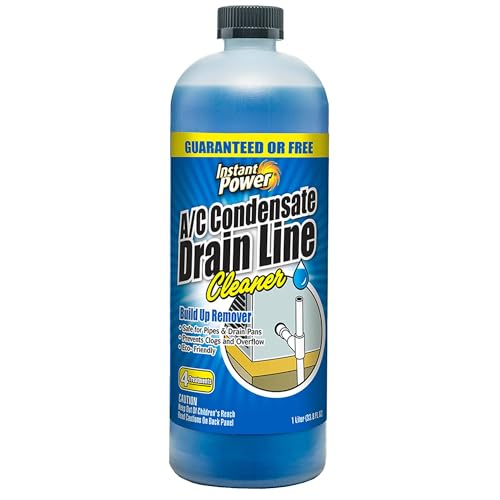
Standing water in the drain pan invites mold and algae. Flushing the condensate line prevents clogs and water damage. See condensate pump basics.
Blower & Fan Cleaning
Dust accumulates on blower wheels and fan blades, causing imbalance, noise, and reduced airflow. Related reading: HVAC fans explained.
Filter Maintenance: The First Line of Defense
Filters are the simplest component to maintain and the one with the greatest day-to-day impact. A clogged filter restricts airflow, which lowers efficiency and can eventually freeze the evaporator coil. Check your filter monthly during peak cooling and heating seasons. Replace disposable filters every one to three months, or more often in homes with pets, smokers, or heavy dust. Reusable filters should be washed according to the manufacturer's instructions and fully dried before reinstallation.
Choosing the right filter matters too. High-MERV filters capture finer particles but add airflow resistance. If your system was designed for a basic filter, upgrading too aggressively can reduce performance. Match the filter rating to your equipment's specifications, and read filter replacement considerations for guidance on balancing filtration and airflow.
Coil Cleaning: Where Efficiency Is Won or Lost
Coils are the heart of heat exchange. When dirt coats the fins, the system loses its ability to transfer heat, and energy consumption rises. There are two coils to consider: the indoor evaporator coil and the outdoor condenser coil. Both benefit from annual attention.
Evaporator Coil Cleaning
The evaporator coil sits inside the air handler or furnace cabinet. Because it is enclosed, cleaning usually requires removing access panels. Homeowners can gently brush accessible surfaces, but deep cleaning with coil cleaner and rinsing is best handled by a technician to avoid bending fins or disturbing refrigerant lines. A dirty evaporator coil often shows up as weak cooling, ice formation, or musty odors. See the full evaporator coil overview for component details.
Condenser Coil Cleaning
The outdoor condenser is more accessible. Turn off power at the disconnect, remove debris from around the unit, and rinse the fins with a garden hose from the inside out. Avoid high-pressure spray, which can bend the fins. For a structured walkthrough, review HVAC coil cleaning best practices and the general coil component guide.
Safety note: Always disconnect power before cleaning any HVAC component. Never use a pressure washer on coils, and do not attempt to open sealed refrigerant circuits. If you are unsure about a step, stop and consult a qualified technician.
Duct Cleaning: When It Is Worth Doing
Duct cleaning is often marketed aggressively, but it is not a universal annual requirement. The EPA and industry experts generally recommend duct cleaning when there is a specific reason: recent renovations, water intrusion, pest infestation, visible mold growth, or noticeable dust discharge from supply registers. Routine duct cleaning without a triggering condition provides limited measurable benefit.
When duct cleaning is warranted, a proper job includes negative-pressure containment, agitation of debris, and cleaning of registers, grilles, and the air handler. Ask contractors whether they follow NADCA standards. For service options, explore duct cleaning services and duct inspection. If your ducts are leaky, sealing may deliver more value than cleaning; see air duct sealing.
DIY vs Professional HVAC Cleaning
Some tasks are safe and sensible for homeowners; others require tools, training, and insurance. The table below outlines a practical division of labor. For a full professional service overview, see HVAC maintenance services.
| Task | Recommended Approach | Typical Frequency |
|---|---|---|
| Filter replacement | DIY — essential tier homeowner task | Every 1–3 months |
| Outdoor condenser rinse | DIY — mid-tier care, low risk | Once per season |
| Evaporator coil cleaning | Professional — high-end tier service | Annually or as needed |
| Duct cleaning | Professional — professional-grade service | Condition-based, not fixed |
| Blower wheel cleaning | Professional — mid-to-high tier service | Annually during tune-up |
| Drain line flush | DIY or included in service — starter tier | Every 3–6 months |
| Full system tune-up | Professional — top-tier preventive service | Annually |
A Step-by-Step Seasonal Cleaning Routine
This routine keeps the system healthy before the cooling and heating seasons. It can be completed in a few hours and pairs well with a professional inspection.
- Turn off power. Switch off the thermostat and the outdoor disconnect before touching any component.
- Replace or clean the filter. Note the size and airflow direction arrow. Keep a spare on hand.
- Clear the outdoor unit. Remove leaves, grass, and debris within two feet of the condenser. Rinse the fins gently with a hose.
- Inspect the drain pan and line. Look for standing water, algae, or slime. Flush the condensate line with a vinegar-water mix.
- Check supply and return registers. Vacuum grilles and confirm they are unobstructed by furniture or rugs.
- Book a professional tune-up. A technician will clean the evaporator coil, inspect electrical components, and verify refrigerant charge. See inspection checklist and maintenance plans.
Signs Your HVAC System Needs Immediate Cleaning
Do not wait for the annual schedule if you notice any of the following. These symptoms often point to airflow restriction or contamination that cleaning can resolve.
Weak Airflow
Registers feel weak even when the fan runs. Often a clogged filter or dirty blower wheel. Related: system not cooling properly.
Musty Odors
Persistent damp smells suggest microbial growth on the evaporator coil or in the drain pan.
Visible Dust
Dust puffing from vents or settling quickly on surfaces points to duct or filter issues.
Frequent Cycling
Short cycling can result from restricted airflow caused by dirty components.
Rising Energy Use
Higher consumption without lifestyle changes often signals a dirty condenser or evaporator coil. See energy efficiency.
Allergy Symptoms Indoors
Worsening symptoms indoors may indicate contaminants circulating through the system.
Hiring the Right HVAC Cleaning Professional
When you decide to bring in a professional, verify licensing and insurance, ask for a written scope of work, and confirm whether the service includes coil cleaning, drain line flushing, and a filter change. Avoid contractors who pressure you into unnecessary duct cleaning without an inspection. For help finding qualified providers, review HVAC professionals, contractor selection, and HVAC companies. You can also explore the maintenance guide for year-round care.
Find Local HVAC ProfessionalsFrequently Asked Questions
How often should HVAC cleaning be performed?
Filters should be checked monthly and replaced every one to three months depending on usage and pets. Coil cleaning is typically recommended once per year, and a full professional HVAC cleaning service is best scheduled annually before the cooling season.
Can I clean HVAC coils myself?
Homeowners can safely clean accessible condenser coils outdoors using a garden hose and coil cleaner. Evaporator coils are usually enclosed and require a technician to avoid damaging the fins or refrigerant lines.
Is duct cleaning necessary for every home?
Duct cleaning is not required on a fixed schedule for every home. It becomes worthwhile after renovations, water damage, pest activity, or if visible dust and debris accumulate inside the ductwork.
What are the signs my HVAC system needs cleaning?
Warning signs include weak airflow, musty odors, visible dust buildup on vents, higher energy consumption, frequent cycling, and allergy symptoms that worsen indoors.