HVAC Condensate Pump: The Complete Guide
Everything you need to know about condensate removal pumps for air conditioners, furnaces, and heat pumps — how they work, how to size and choose one, installation essentials, maintenance routines, and troubleshooting steps.
Start LearningAn HVAC condensate pump is a small but essential component in many cooling and heating systems. While it rarely receives the attention given to compressors or thermostats, this compact device quietly protects your home from water damage by moving condensation away from your equipment. When a condensate pump fails, the consequences can range from a shutdown of your air conditioner to ceiling stains, mold growth, and damaged ductwork.
This guide explains how condensate pumps work, the situations that call for one, how to match a pump to your system, and how to keep it running reliably season after season. Whether you are installing a new system, replacing a worn-out pump, or troubleshooting a drainage issue, the information below will help you make a confident, well-informed decision.
What Is an HVAC Condensate Pump?
A condensate pump is a small electric device that collects the water produced by condensation in an HVAC system and pumps it to a remote drain location. Air conditioners, heat pumps in cooling mode, and high-efficiency furnaces all generate condensate as part of their normal operation. In many installations, gravity carries this water to a floor drain or outdoors through a sloped drain line. When gravity drainage is not possible — for example, when the indoor unit sits in a basement, attic, or closet below the drain level — a condensate pump takes over.
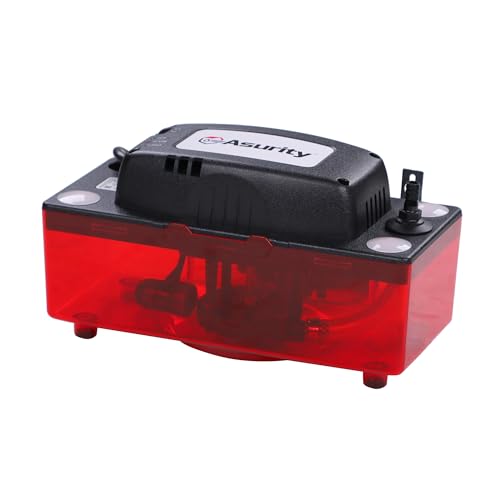
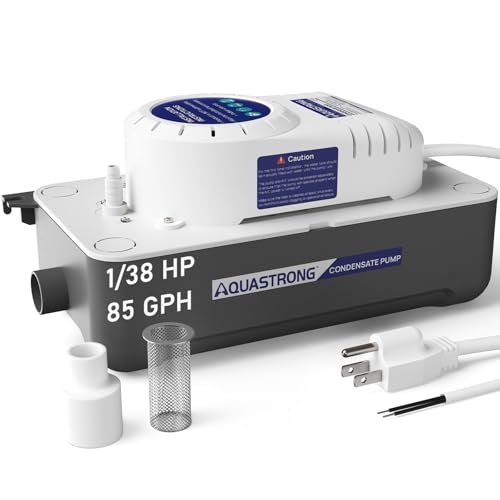
The pump typically consists of a reservoir that receives water from the drain pan, a float switch that detects the water level, and a motor-driven impeller that pushes water through a flexible discharge tube. Most residential units are compact enough to fit beside the air handler or furnace, and they operate automatically whenever the reservoir reaches a set level.
Key point: A condensate pump is not a luxury accessory — it is a functional necessity in any installation where gravity drainage is impractical. Without it, water would back up into the drain pan and potentially overflow into your home.
How a Condensate Pump Works
Understanding the operating cycle helps you recognize problems early. A typical condensate pump goes through the following steps:
- Collection: Condensate drips from the evaporator coil or furnace into a drain pan and flows through a drain line into the pump reservoir.
- Level detection: A float mechanism rises with the water level. When the float reaches the activation point, it triggers the pump motor.
- Discharge: The motor turns an impeller that pushes water through the discharge tubing to a drain, sink, or outdoor location. A check valve prevents water from flowing back into the reservoir after the pump stops.
- Shutoff: Once the water level drops to the deactivation point, the float signals the motor to stop. The cycle repeats as more condensate accumulates.
- Safety cutoff: Many pumps include a high-level safety switch that can shut down the HVAC system if the reservoir fills beyond a safe point, preventing overflow.
The rate of condensation depends on the system size, indoor humidity, and operating conditions. On a hot, humid day, a central air conditioner can produce several gallons of water per day, so the pump must be able to keep up with the inflow. This is why sizing and regular maintenance matter.
Why Your System May Need a Condensate Pump
Not every HVAC installation requires a pump. Gravity drainage is preferred whenever the drain pan can be positioned above a suitable drain point with a continuously downward-sloping line. However, a pump becomes necessary in several common scenarios:
- Basement or below-grade installations: The indoor unit sits below the level of the floor drain or sewer line.
- Attic and closet installations: The unit is located far from a drain, and routing a gravity line would be impractical or impossible.
- Long horizontal drain runs: The drain line lacks sufficient slope over its length to carry water reliably.
- High-efficiency furnaces: Condensing furnaces produce acidic condensate that must be routed to a neutralizing drain or appropriate disposal point.
- Retrofits and renovations: Adding air conditioning to a space where the original design did not account for condensate drainage.
If your system currently relies on gravity drainage but you notice standing water, slow drainage, or repeated drain pan overflow, a condensate pump may be the appropriate solution. A qualified technician can evaluate your layout and recommend the best approach. For broader system context, see our overview of HVAC and air conditioning fundamentals.
Types of Condensate Pumps
Condensate pumps are available in several configurations. The right choice depends on the application, the volume of condensate, and the installation environment.
Reservoir (Tank) Pumps
These are the most common type for residential HVAC systems. They feature an integral reservoir that collects water before pumping it out. Reservoir pumps are self-contained, easy to install, and widely available in entry-level, mid-range, and premium tiers. They are well suited to air conditioners, heat pumps, and condensing furnaces in basements, attics, and closets.
Tankless (Inline) Pumps
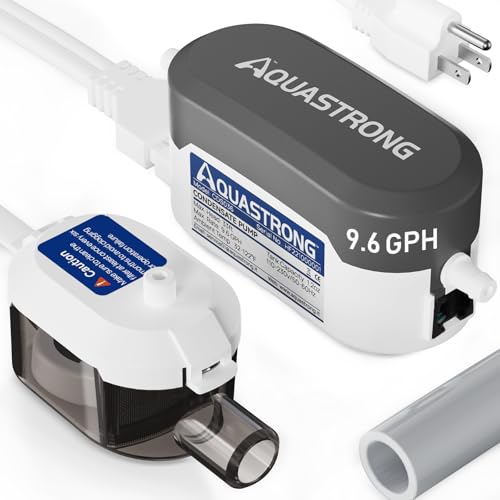
Tankless pumps are compact devices that activate when water flows through them, without a large reservoir. They are often used in tight spaces or where continuous drainage is expected. Tankless models require careful sizing to match the condensate flow rate, and they may not be suitable for systems that produce water intermittently in small amounts.
Condensate Removal Pumps for High-Efficiency Furnaces
Condensing furnaces produce condensate that is slightly acidic. Pumps used in this application should be compatible with the condensate chemistry and, in many jurisdictions, the water should pass through a neutralizing filter before disposal. Some pumps are specifically rated for furnace condensate and include features such as corrosion-resistant components.
Ductless Mini-Split Condensate Pumps
Ductless systems often use small, low-profile pumps that mount near the indoor head. These pumps are designed for low flow rates and quiet operation, and they are an excellent match for ductless mini-split systems installed in spaces without gravity drainage.
| Type | Best For | Key Consideration |
|---|---|---|
| Reservoir Tank Pump | Most residential AC, heat pump, and furnace installations | Simple installation and broad availability |
| Tankless Inline Pump | Tight spaces and continuous flow applications | Must be sized carefully for the flow rate |
| Furnace-rated Pump | High-efficiency condensing furnaces | Corrosion resistance and neutralizer compatibility |
| Mini-split Pump | Ductless indoor heads without gravity drainage | Low-profile, quiet operation |
How to Size and Choose the Right Condensate Pump
Selecting the correct pump involves more than picking the first model on the shelf. Consider the following factors:
1. Condensate Volume
Estimate how much water your system produces. A rough rule of thumb is that a central air conditioner generates about 0.5 to 1 gallon of condensate per ton of cooling capacity per hour under humid conditions. A 3-ton system, for example, might produce 1.5 to 3 gallons per hour at peak load. Choose a pump whose flow rate comfortably exceeds this estimate.
2. Lift Height
Measure the vertical distance from the pump to the highest point of the discharge line. Pumps are rated by their maximum lift, and performance drops as lift increases. Choose a model with a lift rating above your actual requirement to ensure reliable discharge.
3. Voltage and Power Supply
Most residential condensate pumps operate on 115V power, but 230V models exist for specific applications. Confirm that a suitable power source is available near the installation location. Never improvise an electrical connection; consult a qualified professional if wiring is needed.
4. Safety Features
Look for a high-level safety switch that can shut off the HVAC system or trigger an alarm if the reservoir overfills. This feature protects your home from water damage and is especially valuable in attic installations. Some premium and professional-grade models also include audible alarms and remote notification options.
5. Reservoir Capacity and Footprint
Larger reservoirs reduce the number of pump cycles and provide a buffer during peak condensate production, but they require more space. Measure your installation area before choosing. Mid-tier and high-end tier pumps often offer a good balance of capacity and compact design.
6. Noise Level
Pumps located near living spaces should operate quietly. Premium models typically use vibration-dampening mounts and quieter motors. If noise is a concern, look for units described as quiet or low-noise.
7. Build Quality and Materials
Durable construction, corrosion-resistant materials, and a reliable float mechanism contribute to long-term performance. Models with heavy-duty housings and reinforced fittings are generally a better long-term investment, especially in humid environments.
Selection summary: Match the pump's flow rate and lift rating to your system, confirm the voltage, and prioritize safety features such as a high-level cutoff switch. Choose a tier that fits your reliability expectations and installation environment.
Installation Essentials
Proper installation ensures reliable operation and prevents water damage. The following steps outline a typical installation; however, local codes and manufacturer instructions always take precedence. For complex installations, engage a qualified HVAC professional.
- Choose a level location: Place the pump on a solid, level surface close to the drain pan. Vibration pads can reduce noise.
- Connect the inlet: Route the drain line from the HVAC drain pan to the pump inlet. Maintain a continuous downward slope so water flows freely.
- Route the discharge line: Use flexible tubing rated for the application. Avoid kinks, sharp bends, and loops that could trap water. Secure the line with clamps and slope it appropriately toward the drain point.
- Install a check valve if not built in: A check valve prevents backflow when the pump stops.
- Connect the safety switch: If your pump has a high-level safety switch, wire it according to the manufacturer's instructions so it can shut off the system or trigger an alarm.
- Test the system: Pour water into the reservoir to verify that the pump activates, discharges water, and shuts off correctly. Check for leaks at all connections.
- Verify code compliance: Ensure the installation meets local plumbing and electrical codes. Consult our overview of HVAC building codes for general guidance, and confirm requirements with your local authority.
Safety note: Condensate pumps involve water and electricity in close proximity. If you are not experienced with electrical connections, have a licensed professional perform the installation. Improper wiring can create shock and fire hazards.
If your installation also involves ductwork modifications or system relocation, related resources such as HVAC installation services and HVAC ductwork guidance may be helpful.
Maintenance and Cleaning
Routine maintenance keeps a condensate pump reliable and extends its service life. Establish a schedule and stick to it, especially before the cooling season begins.
Routine Maintenance Checklist
- Inspect the reservoir: Check for sludge, algae, and debris. Clean the reservoir with a mild solution and rinse thoroughly.
- Test the float switch: Gently lift the float to confirm the pump activates and the safety switch functions.
- Check the discharge line: Look for kinks, clogs, and algae growth. Flush the line with water if flow seems restricted.
- Clean the inlet strainer: If your pump has a strainer, remove and clean it to maintain flow.
- Verify check valve operation: Ensure the valve closes properly and prevents backflow.
- Listen for unusual noises: Grinding or rattling may indicate a failing motor or debris in the impeller.
- Inspect for leaks: Check all connections and the pump housing for moisture.
Seasonal Considerations
In humid climates, inspect the pump more frequently during peak cooling season. Before winter, if the pump is in an unconditioned space, protect it from freezing or drain it according to the manufacturer's instructions. For a broader maintenance framework, see our HVAC maintenance guide.
Pro tip: Adding a small amount of condensate pan treatment tablets to the drain pan can help reduce algae growth and keep the pump and drain line flowing freely.
Troubleshooting Common Problems
Most condensate pump issues fall into a few recognizable categories. Use the guide below to diagnose the problem before calling a professional.
| Symptom | Possible Cause | Suggested Action |
|---|---|---|
| Pump does not run | No power, stuck float, or failed motor | Check power supply, clean or free the float, and test the motor |
| Pump runs but does not discharge water | Clogged discharge line, kinked tubing, or airlock | Inspect and flush the discharge line, remove kinks, and re-prime if needed |
| Pump runs continuously | Stuck float, leak in the system, or check valve failure | Inspect the float, check for leaks, and verify the check valve |
| Frequent safety switch trips | Undersized pump, clogged inlet, or excessive condensate | Clean the inlet, verify pump capacity, and consider a higher-capacity model |
| Noisy operation | Debris in the impeller, loose mounting, or worn bearings | Clean the impeller, tighten mounts, and replace the pump if bearings are worn |
| Water leaks from the reservoir | Cracked housing, loose fitting, or overflowing reservoir | Inspect the housing and fittings, and verify the pump is activating properly |
If troubleshooting does not resolve the issue, or if you are uncomfortable working with the pump, contact a qualified technician. Related resources include HVAC repair and service and HVAC not cooling properly, which can help you determine whether the pump issue is part of a larger system problem.
When to Replace a Condensate Pump
Condensate pumps have a finite service life, and replacement is often more practical than repair once major components begin to fail. Consider replacement when:
- The motor fails or becomes unreliable after repeated repairs.
- The reservoir or housing is cracked or leaking.
- The float mechanism no longer responds consistently.
- The pump is undersized for your system and trips the safety switch frequently.
- Replacement parts are unavailable or no longer produced.
When replacing, match the new pump's voltage, flow rate, and lift rating to the existing installation. Upgrading to a model with a high-level safety switch and quieter operation is often a wise long-term investment. If you are unsure which model fits your system, a professional can help you compare options. For related system components, explore HVAC equipment and HVAC maintenance services.
Frequently Asked Questions
What does an HVAC condensate pump do?
An HVAC condensate pump collects water that condenses on the evaporator coil or furnace and moves it to a drain location that gravity cannot reach, such as a floor drain, utility sink, or outdoor discharge point.
How do I know if my condensate pump is failing?
Common signs include standing water in the reservoir, frequent safety switch trips, unusual humming or grinding, water stains near the unit, and the pump running continuously without discharging water.
How often should a condensate pump be cleaned?
Inspect and clean the reservoir and check the discharge line at least twice per cooling season, or more often in humid climates or dusty environments. Annual professional maintenance is also recommended.
Can I install a condensate pump myself?
Replacing a like-for-like pump with the same voltage, capacity, and fittings can be a straightforward DIY task for experienced homeowners. New installations involving electrical connections or complex routing should be handled by a qualified HVAC professional.
Ready to Choose the Right Condensate Pump?
Explore our recommended models below. We have selected options across different tiers to match a variety of installation needs, from essential replacements to feature-rich units with advanced safety controls.
See Recommended Pumps