HVAC Repair and Service: A Complete Homeowner Guide
Understand common HVAC failures, plan preventive maintenance, evaluate repair versus replacement, and choose the right service professional before anything goes wrong
EXPLORE THE GUIDEWhy this guide matters: An HVAC system is one of the hardest-working pieces of equipment in any home, yet most homeowners only think about it when it stops working. This guide walks you through how the system behaves, what the warning signs mean, which problems are safe to handle yourself, and when professional HVAC repair and service is genuinely required. Read it before the next breakdown so you can act with confidence instead of urgency.
What HVAC Repair and Service Actually Covers
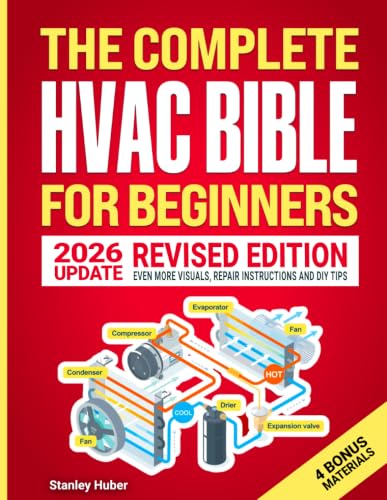
HVAC stands for heating, ventilation, and air conditioning. A residential HVAC system is not a single appliance but a network of interconnected components: an outdoor condenser, an indoor evaporator coil, a compressor, a blower fan, refrigerant lines, ductwork, a thermostat, and on the heating side either a furnace or a heat pump. Repair and service address different parts of that network, and understanding the distinction helps you ask better questions and avoid unnecessary work.
Repair is reactive. It restores function after a component has failed or degraded: a burnt contactor, a failed capacitor, a seized blower motor, a refrigerant leak, a blocked condensate drain, or a faulty control board. Service, by contrast, is preventive. It keeps the system within manufacturer tolerances through cleaning, inspection, lubrication, electrical testing, and refrigerant charge verification. The two overlap in practice, because a well-run service visit catches small faults before they become repairs.
For a broader explanation of how the cooling and heating loops interact, the HVAC and air conditioning overview and the cooling cycle explained are useful starting points. If your system includes a heat pump, the heat pump guide explains how the reversing valve changes the service approach in winter.
Common HVAC Problems and What They Usually Mean
Most service calls fall into a small number of recurring categories. The table below maps the symptom to the most probable cause and indicates whether it is typically a homeowner-level check or a professional repair. It is a triage tool, not a diagnosis, but it helps you decide how urgently to act.
| Symptom | Likely Cause | Typical Action |
|---|---|---|
| Weak airflow from vents | Clogged filter, blocked return, failing blower | Replace filter first; if unchanged, call a technician |
| System runs but does not cool | Low refrigerant, dirty condenser coil, failed compressor | Professional diagnosis required |
| Uneven temperatures between rooms | Duct leakage, damper imbalance, undersized system | Duct inspection and balancing |
| Grinding or rattling noise | Bearing wear, loose panel, debris in blower | Shut down and call for service |
| Water pooling near indoor unit | Clogged condensate drain or failing drain pump | Clear the drain line or replace the condensate pump |
| Musty odor when running | Microbial growth on evaporator coil or in ductwork | Coil cleaning and duct assessment |
| Frequent short cycling | Oversized system, thermostat placement, low charge | Professional evaluation of charge and sizing |
| Frozen refrigerant line | Low refrigerant, restricted airflow, dirty coil | Turn off cooling, thaw, then call a technician |
Persistent symptoms that are ignored tend to compound. A dirty coil that reduces airflow forces the compressor to work harder, which raises head pressure and shortens compressor life. That is why the HVAC maintenance guide treats cleaning and inspection as the cheapest form of repair. If the system is blowing air that is not cold, the dedicated article on blowing cold air but not cooling the house walks through the diagnostic sequence in more detail.
Preventive Maintenance That Genuinely Extends System Life
Manufacturers typically recommend professional service twice per year: a spring visit to prepare the cooling side and an autumn visit to prepare the heating side. Between those visits, a handful of homeowner tasks make a measurable difference. None of them require refrigerant handling or electrical work, so they are safe for anyone to perform.
- Replace air filters on schedule Standard 1-inch filters should be changed every one to three months. High-efficiency pleated filters load faster and may need monthly attention during peak season. A restricted filter is the single most common cause of avoidable airflow complaints.
- Keep the outdoor unit clear Remove leaves, grass clippings, and debris from around the condenser. Maintain at least two feet of clearance on all sides so the fan can reject heat efficiently. The condenser guide explains why airflow around the cabinet matters as much as airflow through the coil.
- Flush the condensate drain Pour a cup of distilled water or a dilute vinegar solution through the drain line each season to prevent algae buildup. A clogged drain is one of the most frequent causes of water damage near indoor equipment.
- Inspect the thermostat Confirm that schedules and setpoints are correct after seasonal changes. A thermostat left in the wrong mode causes more service calls than most homeowners realize.
- Watch the energy pattern A gradual rise in consumption without a change in habits often signals declining efficiency. The HVAC energy efficiency article covers what to check before assuming the system is failing.
Professional service checklist: A thorough technician visit includes refrigerant charge verification against the manufacturer's subcooling or superheat target, electrical testing of the contactor and capacitors, blower motor amp draw, coil cleaning on both sides, condensate trap inspection, and a combustion safety check on the heating side. If a technician only changes the filter and leaves, the visit was not a full service.
Repair or Replace: A Practical Decision Framework
The repair-versus-replace decision is the point where homeowners most often feel pressure. A useful framework is to weigh four factors together rather than reacting to any single one: system age, repair type, repair frequency, and efficiency gap. The table below converts those factors into a directional recommendation.
| System Age | Repair Type | Repair History | Direction |
|---|---|---|---|
| Under 8 years | Minor component (capacitor, contactor, thermostat) | First incident | Repair is the clear choice |
| 8 to 12 years | Blower motor or control board | One or two prior repairs | Repair remains reasonable; evaluate efficiency |
| 8 to 12 years | Compressor or evaporator coil | Recurring issues | Compare carefully; replacement often wins |
| Over 15 years | Any major component | Any history | Replacement is usually the sounder path |
Two additional considerations sharpen the picture. First, if the existing system uses an older refrigerant that is being phased down, a major refrigerant-side repair may leave you with equipment that is increasingly difficult to service. The HVAC equipment overview discusses how refrigerant transitions affect serviceability. Second, if the system is already at the lower end of modern efficiency, a major repair is an opportunity to reset the operating profile rather than restore an outdated one. The HVAC buying guide covers how to evaluate replacement options without getting lost in specification sheets.
Component-level repair articles help you understand what is involved before you approve work: blower fan replacement, contactor replacement, and control board replacement all describe the failure mode, the typical scope of work, and the questions to ask.
How to Choose an HVAC Service Professional
The quality of the technician matters as much as the quality of the equipment. A system that is correctly installed and properly serviced will outlast an identical system that was commissioned carelessly. Before booking any repair or service visit, verify the following.
- Licensing and insurance Ask for the license number and confirm it with your state or local authority. Verify general liability and workers' compensation coverage. The HVAC license and insurance guide explains what each document protects you against.
- Written estimate before work begins A reputable company provides a written scope of work and a diagnostic explanation before starting. The HVAC estimates guide covers what a complete estimate should contain and what vague line items usually signal.
- Diagnostic fee policy Understand whether the diagnostic visit is applied toward the repair if you approve the work. This is a normal industry practice and worth confirming in advance.
- Parts availability and warranty Confirm whether the company stocks common components and how manufacturer warranty claims are handled. A company that can source parts quickly shortens your downtime considerably.
- Maintenance plan terms If you are offered a service plan, read the terms carefully. The HVAC maintenance plans article explains the difference between a genuine preventive plan and a discount coupon program.
To find candidates in your area, the contractor near me and HVAC in my area pages explain how to screen local providers, and the HVAC companies overview describes the different business models you will encounter, from single-technician shops to regional service organizations.
What Homeowners Can Safely Do Themselves
There is a clear line between maintenance and repair, and crossing it without the right training creates real risk. Refrigerant handling is regulated: it requires certification and recovery equipment, and venting refrigerant is illegal in most jurisdictions. Electrical work inside the equipment cabinet carries shock and fire risk. Combustion-side work on a furnace carries carbon monoxide risk.
Within those limits, homeowners can safely replace filters, clean the outdoor cabinet, flush condensate drains, clear debris, verify thermostat settings, and inspect visible duct connections for obvious disconnections or crushed sections. The HVAC cleaning guide and duct inspection guide cover those tasks in detail. Anything that involves opening a refrigerant circuit, testing electrical components with a meter, or adjusting gas pressure should be left to a qualified professional.
What a Proper Service Visit Looks Like
Knowing the expected sequence of a service visit helps you evaluate whether the work was done thoroughly. A competent technician typically follows a consistent routine regardless of the symptom that prompted the call.
The visit usually begins with a conversation about symptoms and recent changes, followed by a visual inspection of both indoor and outdoor units. The technician then checks refrigerant charge against the manufacturer's target, measures electrical draw on the compressor and blower, tests capacitors and the contactor, inspects the condensate system, cleans accessible coil surfaces, and verifies thermostat calibration. On the heating side, a combustion analysis and heat exchanger inspection are added for gas furnaces.
If the technician identifies a failed component, ask them to show you the failed part and explain the failure mode. A capacitor that has visibly bulged, a contactor with pitted contacts, or a blower motor with a worn bearing can all be demonstrated. The HVAC inspection checklist provides a printable reference you can use to confirm that every stage was covered.
Seasonal Timing and Service Demand
Service demand peaks in the first sustained heat of summer and the first sustained cold of winter. Booking preventive service in the shoulder seasons, roughly early spring and early autumn, typically means shorter wait times, more thorough visits, and more scheduling flexibility. Emergency calls during peak demand are the most stressful and the least economical way to interact with the service industry.
If a system fails during a heat wave, the immediate priority is safety, especially for elderly occupants and anyone with respiratory conditions. Shut the system off, open windows during cooler hours, and avoid repeatedly restarting equipment that is tripping a breaker. Repeated restart attempts on a system with a failed compressor or a seized fan motor can cause additional damage. The not cooling properly article covers the first-response sequence in detail.
Frequently Asked Questions
How often should an HVAC system be serviced?
Most manufacturers recommend professional service twice per year, once in spring for the cooling season and once in autumn for the heating season. Between visits, replace air filters every one to three months depending on usage and filter type, and keep the outdoor unit clear of debris.
What are the most common warning signs of a failing system?
Weak airflow, uneven room temperatures, grinding or rattling noises, musty odors, frequent short cycling, water pooling near the indoor unit, and a gradual rise in energy consumption without a change in habits are the most reliable early indicators. Any of these warrants a service visit before the problem compounds.
Should I repair or replace a failing HVAC system?
Systems under eight years old with a single minor component failure are usually clear repair candidates. Systems over fifteen years old with a major component failure are usually better replaced. The middle range requires judgment based on repair history and the efficiency gap between the existing system and current equipment.
Is it safe to keep running a system that is making noise?
Grinding, rattling, or screeching noises should be treated as stop-running signals. They typically indicate bearing wear or a loose component that can cause secondary damage if the system continues to operate. Shut the system down and arrange service.
What should I have ready before a technician arrives?
Note the symptoms and when they started, confirm the model and serial numbers of both indoor and outdoor units, have the filter change history available, and clear access to both units. This shortens the diagnostic phase and helps the technician work efficiently.