HVAC Duct and Vent Cleaning
A complete homeowner's guide to understanding why duct and vent cleaning matters, how the process works, and how to choose the right professional for cleaner, healthier indoor air.
START READINGHVAC Duct and Vent Cleaning Philosophy: Clean ducts are not a luxury; they are a functional component of an efficient HVAC system. Understanding what happens inside your ductwork helps you make informed decisions about inspection, maintenance, and professional service. This guide is your starting point before you hire a contractor.
Why HVAC Duct and Vent Cleaning Matters
The ductwork in your home is the circulatory system of your HVAC setup. Every time your system runs, air travels through supply trunks, branch lines, and return ducts before reaching the rooms you occupy. Over months and years, that airflow deposits dust, pet dander, pollen, construction debris, and sometimes microbial growth on interior duct surfaces. When these contaminants accumulate, they can be re-entrained into the airstream and distributed throughout your living space.
Understanding the broader context of how your system operates is essential. A well-maintained HVAC and air conditioning system depends on unobstructed airflow, clean coils, and balanced pressure. Contaminated ducts disrupt that balance. The same principle applies to your HVAC and heating components, which share the same duct network during cooler months. When ducts are clean, both heating and cooling performance improve because the system is not fighting against restricted airflow or recirculating debris.
Indoor air quality is the most immediate benefit. Homes with pets, occupants who suffer from seasonal allergies, or recent remodeling projects often contain higher concentrations of airborne particles. A professional HVAC and air duct cleaning service removes accumulated material from the duct interior, reducing the reservoir of particles that can be stirred up every time the blower activates.
Energy efficiency is the second major benefit. Duct systems that are clogged or partially blocked force the blower to work harder and longer. When airflow is restored to its designed capacity, your system reaches the target temperature more quickly and cycles less frequently. This relationship between airflow and efficiency is a core principle of HVAC energy efficiency. Cleaning is not a substitute for fixing leaks or sealing joints, but it is an important part of the overall efficiency picture.
Signs Your Ducts and Vents Need Cleaning
Not every home requires full duct cleaning. Some ductwork remains relatively clean for years. The decision should be based on observable evidence rather than a fixed calendar schedule. The following indicators suggest that an inspection and likely cleaning are warranted:
- Visible debris at registers: If you can see dust, lint, or dark buildup on the supply and return grilles, similar material is likely present deeper in the duct run.
- Persistent dust in rooms: Surfaces that are dusted and quickly become dusty again may be receiving particle-laden air from contaminated ducts.
- Musty or stale odors: Odors that appear when the HVAC system runs often indicate microbial growth or accumulated organic material inside the ductwork.
- Allergy symptoms that worsen indoors: If occupants experience increased sneezing, congestion, or irritation when the system is running, duct contamination may be a contributing factor.
- Pest activity: Rodent droppings, insect casings, or nesting material inside ducts require immediate professional attention.
- Recent renovation or construction: Drywall dust, sawdust, and debris from remodeling projects enter the duct system even when protective measures are taken.
- Mold growth visible on duct surfaces: Any visible mold requires inspection by a qualified professional to determine the extent and appropriate remediation.
- Uneven airflow between rooms: A room that receives noticeably weaker airflow may have a blocked or restricted branch duct.
Duct Cleaning vs. Vent Cleaning: What's the Difference?
Homeowners often use the terms interchangeably, but they refer to different scopes of work. Understanding the distinction helps you ask the right questions when requesting a quote from a contractor.
| Service | Scope | Typical Application |
|---|---|---|
| Vent Cleaning | Supply and return registers, grilles, and visible vent openings | Routine maintenance, surface dust removal, visible debris |
| Duct Cleaning | Entire concealed duct network including trunks, branches, plenum, and connected components | Comprehensive system cleaning, post-renovation, suspected contamination |
| Full System Cleaning | Ducts, vents, coils, blower, drain pan, and accessible HVAC components | Complete restoration of system cleanliness and airflow |
A reputable HVAC duct cleaning service typically includes both duct and vent cleaning, plus inspection of connected components. If a contractor offers only vent cleaning, clarify what portion of the duct system will actually be addressed. A proper cleaning should include mechanical agitation of duct surfaces and negative-pressure extraction to remove dislodged material from the system.
How Professional Duct and Vent Cleaning Works
Understanding the standard process helps you evaluate contractor proposals and recognize when a service is being performed correctly. A professional cleaning typically follows these stages:
1. System Inspection
Before any cleaning begins, a technician should inspect the duct system using a camera or visual access points. This HVAC duct inspection identifies the location and severity of contamination, checks for disconnected or damaged sections, and determines whether cleaning is appropriate. Skipping this step is a red flag.
2. Containment and Protection
The technician seals registers and creates negative pressure within the duct system using a high-powered vacuum collection unit. This prevents dislodged debris from escaping into living spaces during cleaning.
3. Mechanical Agitation
Specialized brushes, air whips, and rotary tools are inserted into the ductwork to loosen accumulated material from interior surfaces. Different duct materials require different agitation methods; flexible ductwork, for example, requires gentler tools than rigid metal.
4. Extraction
The negative-pressure vacuum pulls loosened debris out of the system and into a collection unit. The extraction must be continuous during agitation to prevent re-deposition.
5. Component Cleaning
Registers, grilles, and accessible components are cleaned separately. If the technician identifies dirty HVAC coils or a fouled blower, those components may require additional service. Coil cleaning and duct cleaning complement each other; clean ducts feeding a dirty coil still produce poor performance.
6. Verification and Walkthrough
After cleaning, the technician should verify airflow and provide before-and-after photos or video documentation. A final walkthrough gives you the opportunity to ask questions and confirm the work performed.
How to Choose a Trusted Duct Cleaning Contractor
The duct cleaning industry has a wide range of service quality. Some providers perform thorough, professional work; others offer superficial services that fail to address the actual contamination. The following criteria help you identify a reputable provider:
- Verifiable credentials: Ask for proof of licensing and insurance. A legitimate contractor will provide documentation without hesitation. You can learn more about this in our guide to HVAC license and insurance.
- Inspection before quotation: A trustworthy contractor inspects the system before proposing a scope of work. Quotations provided over the phone without inspection are unreliable.
- Clear scope of work: The proposal should specify exactly what will be cleaned, what equipment will be used, and what verification will be provided.
- No pressure tactics: High-pressure sales, exaggerated health claims, or demands for immediate commitment are warning signs.
- References and reviews: Ask for references from recent customers and check independent reviews. A professional with a solid track record will welcome this request.
- Written documentation: The contractor should provide before-and-after photos and a written summary of the work performed.
When evaluating potential providers, consider looking for a HVAC professional who specializes in duct and vent services rather than a generalist. If you need help locating candidates, our resources on HVAC contractors and HVAC companies provide a starting framework for your search. You can also explore HVAC duct cleaning services for a more focused list of considerations.
Ready to Improve Your Indoor Air Quality?
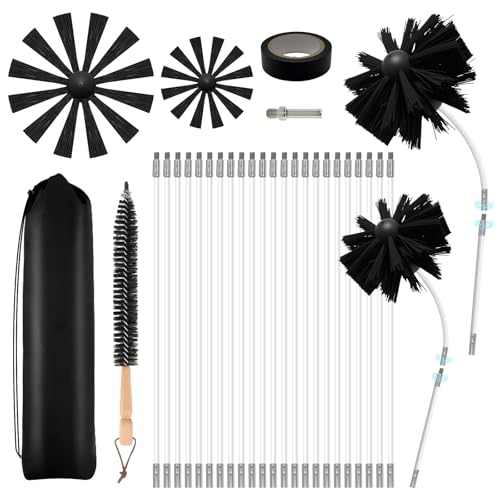
Explore our recommended products and tools to complement your duct cleaning and maintenance routine.
View Recommended OptionsMaintenance and Prevention: Keeping Ducts Cleaner Longer
Professional cleaning addresses existing contamination, but preventing recurrence is equally important. The following practices extend the interval between cleanings and protect the investment you've made:
- Replace filters regularly: A clean filter captures particles before they enter the duct system. Follow the manufacturer's recommended replacement interval and choose a filter with an appropriate MERV rating for your system. Our HVAC maintenance guide covers filter schedules in more detail.
- Seal duct leaks: Leaky ducts draw unfiltered air from attics, crawlspaces, and wall cavities. Sealing leaks reduces the introduction of new contaminants. See our guide to HVAC air duct sealing for methods and best practices.
- Control humidity: Excess moisture encourages mold and microbial growth inside ducts. Proper HVAC dehumidification helps keep duct interiors dry.
- Address moisture intrusion promptly: Water leaks, condensation issues, and high indoor humidity should be resolved before they affect the duct system. The HVAC condensate pump and drain components should be inspected during regular maintenance.
- Schedule periodic inspections: An HVAC inspection that includes ductwork assessment catches problems early, before they require extensive cleaning or repair.
- Protect ducts during renovations: Seal registers and cover openings before starting construction or remodeling work to minimize debris entry.
For a broader overview of maintenance practices that support duct cleanliness, our resources on HVAC cleaning and HVAC maintenance services provide additional context. If you prefer a structured maintenance schedule, consider an HVAC maintenance plan that includes periodic duct inspection.
When to Call a Professional Instead of DIY
Surface cleaning of vent covers and accessible register openings is a reasonable DIY task. However, the following situations require professional intervention:
- Any visible mold growth inside ductwork or on system components
- Pest infestation or evidence of rodent activity inside ducts
- Persistent musty odors that do not resolve after filter replacement
- Suspected asbestos-containing duct insulation in older homes
- Duct systems with inaccessible sections or complex routing
- Post-renovation cleanup where significant debris has entered the system
- Health concerns related to indoor air quality, especially for occupants with respiratory conditions
A qualified professional has the equipment, training, and containment protocols to handle these situations safely. Attempting DIY cleaning in these cases can worsen the problem by spreading contaminants or damaging duct components. If you need help finding a qualified provider, our page on HVAC contractor near me offers guidance on locating reputable local professionals.
The Long-Term Benefits of Regular Duct and Vent Cleaning
Regular attention to duct cleanliness supports multiple aspects of home comfort and system performance:
- Healthier indoor air: Reduced airborne particles benefit all occupants, particularly those with allergies or respiratory sensitivities.
- Improved system efficiency: Unobstructed airflow allows the system to operate closer to its designed performance. This is part of the broader picture of HVAC energy efficiency.
- Extended equipment life: When the blower and coils are not stressed by restricted airflow or excessive debris, components last longer.
- More consistent comfort: Balanced airflow means rooms reach the desired temperature more evenly.
- Preserved indoor air quality during renovations: Duct cleaning after construction protects the system from long-term debris accumulation.
Duct cleaning is one component of a comprehensive approach to indoor air quality and system performance. It pairs naturally with HVAC coil cleaning, HVAC evaporator coil cleaning, and proper filtration. Together, these practices keep your system operating at its best and contribute to a healthier home environment.
Frequently Asked Questions
How often should HVAC ducts and vents be cleaned?
Most homes benefit from a duct inspection every two to three years. Cleaning is recommended when visible debris, mold, pest activity, or persistent dust is present. Households with allergies, pets, or recent renovations may need more frequent attention.
Is duct cleaning worth it for every home?
Not every home needs full duct cleaning. It is a strong investment when there is visible contamination, after major renovations, or when occupants notice consistent dust or allergy symptoms. A professional inspection determines whether cleaning is justified.
What is the difference between duct cleaning and vent cleaning?
Vent cleaning focuses on the visible supply and return registers, while duct cleaning addresses the entire concealed duct network, including trunks, branches, plenum, and connected components. A complete service typically covers both.
Can duct cleaning improve indoor air quality?
Yes, when contamination is present. Removing accumulated dust, debris, and microbial growth from the duct system reduces the particles that can be circulated into living spaces. Results are most noticeable when combined with proper filtration and regular maintenance.
What should I expect during a professional duct cleaning visit?
A typical visit includes a system inspection, containment setup, mechanical agitation of duct surfaces, negative-pressure extraction, cleaning of registers and coils, and a final verification walkthrough with photos.