HVAC Ventilation System: The Complete Guide
Understand how ventilation works, compare system types, and learn how to improve indoor air quality and comfort in your home or office before you choose a system.
What Is an HVAC Ventilation System?
An HVAC ventilation system is the coordinated network of ducts, fans, dampers, filters, and controls that manages air exchange in a building. It works alongside the heating and cooling side of an HVAC system to deliver tempered fresh air, dilute indoor pollutants, and remove excess moisture. In a modern home, the ventilation system is what keeps a tightly sealed envelope from becoming stuffy or damp.
The term covers both mechanical and natural approaches. Mechanical ventilation uses fans and ducts to move air on purpose, while natural ventilation relies on pressure differences and operable windows. Most homes today combine both: windows when the weather is ideal, and a mechanical system when outdoor conditions or security require the building to stay closed. The right balance depends on your climate, envelope tightness, and occupancy.
Why Ventilation Matters for Comfort and Health
Ventilation is not just about fresh air. It directly affects indoor air quality, moisture control, and how hard the rest of your HVAC equipment has to work. Without adequate airflow, pollutants from cooking, cleaning products, and building materials accumulate indoors. Humidity can rise, encouraging condensation and mold. Occupants may feel drowsy or notice lingering odors even when the temperature is right.
Indoor Air Quality
Dilutes volatile organic compounds, carbon dioxide, and fine particles that build up in sealed spaces.
Moisture Control
Removes excess humidity from bathrooms, kitchens, and laundry areas to reduce condensation risk.
Energy Efficiency
A well-designed system works with heating and cooling instead of fighting them, supporting long-term efficiency.
Comfort
Balanced airflow reduces stale pockets of air and drafts, making rooms feel more consistent.
Main Types of Ventilation Systems
Ventilation strategies fall into four broad families. Each one has strengths, and the best choice for your building depends on climate, envelope tightness, and how much continuous fresh air you need. Understanding these categories helps you ask better questions when comparing quotes from HVAC service providers.
| Type | How It Works | Best For | Tier |
|---|---|---|---|
| Exhaust Ventilation | Fans pull stale air out of bathrooms, kitchens, and laundry areas, creating slight negative pressure that draws fresh air in through leaks. | Older homes with natural leakage; spot ventilation in wet rooms. | essential tier |
| Supply Ventilation | A fan brings outdoor air in and distributes it through ducts; indoor air escapes through intentional relief points. | Homes in mild climates that need filtered, distributed fresh air. | starter tier |
| Balanced Ventilation | Separate supply and exhaust fans move equal volumes of air, keeping pressure neutral and airflow predictable. | New construction and tight envelopes that need controlled exchange. | balanced tier |
| Energy Recovery Ventilation | Balanced system with a core that transfers heat and moisture between exhaust and incoming air streams. | Cold or humid climates where recovered energy improves efficiency. | top-tier |
A related technology is the high-velocity small-duct system, which uses narrow tubing to deliver conditioned fresh air without major ductwork. If your home has limited space for ducts, it is worth comparing this approach against a conventional layout. You can read more about compact distribution in this overview of small-duct high-velocity HVAC.
Key Components of a Ventilation System
A typical whole-building ventilation system includes several moving parts that must work together. When one component underperforms, the whole system feels weak, even if the equipment itself is well specified.
- Fans and blowers: The heart of the system. Quality fans move air quietly and consistently; variable-speed models adjust output to actual demand.
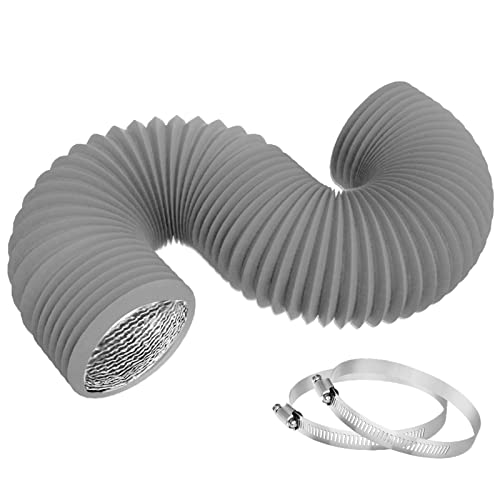
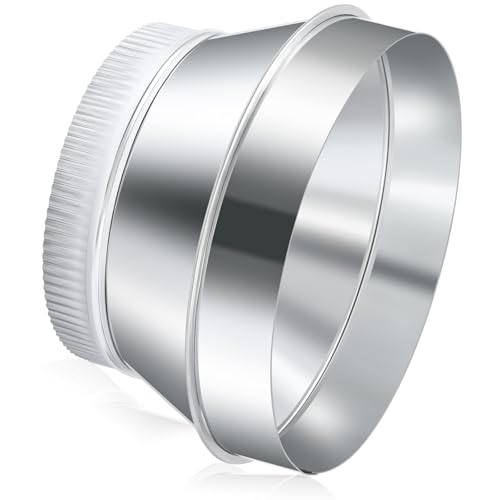
- Ductwork: Carries air between rooms and the outdoors. Leaky or undersized ducts waste the effort of even a strong fan. Sealing ducts is one of the highest-impact improvements you can make.
- Filters: Trap dust and particles before they circulate. Filter choice affects both air quality and how hard the fan has to work.
- Dampers and controls: Regulate where air goes and how much. Zoned systems use motorized dampers to serve different areas independently; see this guide to HVAC zoning systems for the bigger picture.
- Thermostats and sensors: Modern controls can run ventilation based on occupancy, humidity, or time of day. A smart thermostat can coordinate ventilation with heating and cooling schedules.
- Recovery core (ERV/HRV): Present only in energy recovery systems; it transfers heat, and sometimes moisture, between air streams.
Sizing and Design Basics
Ventilation sizing is about matching airflow to the needs of the building and its occupants. Too little airflow leaves pollutants and moisture in place. Too much can waste energy, create drafts, and make the space feel uncomfortable. Professional sizing accounts for floor area, occupancy, bathroom and kitchen exhaust requirements, and how tight the envelope is.
This is the same discipline that governs heating and cooling equipment. If you want a deeper background on load calculations and how ventilation fits into whole-building design, this overview of HVAC sizing is a useful companion. Well-designed systems keep supply and exhaust balanced, route ducts efficiently, and specify fan curves that match real-world static pressure.
Buying Considerations Before You Choose
Buyers researching ventilation systems are usually comparing options and want confidence before committing. The best approach is to evaluate the system as a whole, not just the fan unit. The following checklist covers the factors that matter most in real projects.
- Building tightness: Tighter envelopes benefit most from balanced or energy recovery systems, while older leaky homes may do well with spot exhaust plus targeted supply.
- Climate: Cold or humid climates make energy recovery more compelling; mild climates may prioritize simplicity and low maintenance.
- Duct space: Conventional ducts need room in attics or chases; compact high-velocity systems fit where space is tight.
- Noise: Fan and duct design determine how quiet the system feels. Premium units with acoustic insulation and slow fan speeds are noticeably calmer.
- Filtration: Higher-efficiency filters improve air quality but require compatible fan capacity. Balance filtration goals against pressure drop.
- Controls: Occupancy and humidity-based control is a strong feature in the mid-tier and high-end tier, while essential-tier systems rely more on manual or timer control.
- Serviceability: Easy access to filters, cores, and fans makes routine maintenance simpler and keeps the system performing well.
It also helps to think in tiers. Entry-level systems emphasize basic air exchange, mid-range systems add better controls and quieter operation, and premium or commercial-grade systems focus on energy recovery, sophisticated zoning, and robust build quality. This framework is more useful than comparing units feature by feature without context. For a broader look at how ventilation fits into equipment choices, see this HVAC system buying guide.
Maintenance Checklist
A ventilation system rewards consistent care. Most problems come from neglected filters and dirty components rather than equipment failure. A simple routine keeps performance stable and supports the long-term investment.
- Replace or clean filters every one to three months depending on use and local dust levels.
- Clean grilles and diffusers to maintain airflow and avoid dust recirculation.
- Inspect ductwork for leaks, disconnected sections, and crushed flex runs.
- For energy recovery systems, clean or replace the recovery core per manufacturer guidance.
- Check fans for unusual noise or vibration and lubricate where the manufacturer allows.
- Schedule an annual inspection with a qualified technician to confirm airflow and system balance.
If you notice persistent odors, condensation, or uneven airflow, it is worth booking a professional review. You can find qualified help through HVAC service companies and compare approaches in this guide to HVAC system inspection.
Ready to Compare Ventilation Options?
Explore recommended systems and components from trusted suppliers to match your building type and climate.
Explore Options