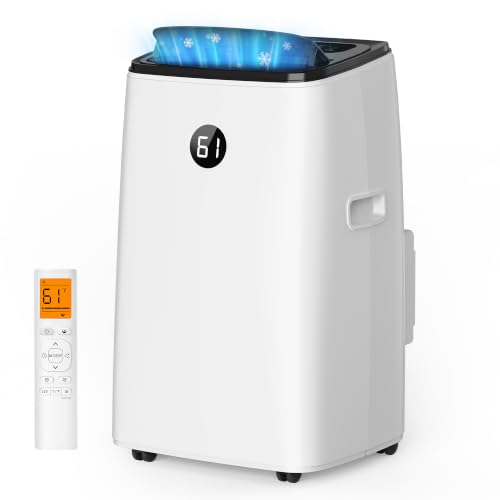
Most Energy Efficient Portable Air Conditioner
Choose a portable AC that cools effectively without wasting electricity. Learn about EER ratings, dual-hose designs, inverter technology, and how to pick the right unit for your space.
Portable air conditioners offer flexibility and convenience, but energy efficiency varies widely between models. The most energy efficient portable air conditioner can cut your cooling costs by up to 30% compared to older, less efficient units. In this guide, we break down everything you need to know — from SEER and EER ratings to proper sizing and maintenance — so you can make a smart, cost-effective choice.
What Makes a Portable AC Energy Efficient?
High EER Rating
Look for an Energy Efficiency Ratio (EER) of 11 or higher. The higher the EER, the more cooling you get per watt of electricity.
Dual-Hose Design
Dual-hose models use one hose for intake and one for exhaust, preventing negative pressure and reducing energy waste by up to 20%.
Inverter Compressor
Inverter technology adjusts compressor speed to match cooling demand, avoiding the start/stop cycles that waste energy in traditional units.
Smart Thermostat & Timer
Built-in Wi-Fi and programmable timers let you cool only when needed, saving energy while you're away or asleep.
Single-Hose vs Dual-Hose: Which Saves More Energy?
| Feature | Single-Hose | Dual-Hose |
|---|---|---|
| Energy Efficiency | Lower – creates negative pressure, pulls in warm air | Higher – balanced air exchange, less waste |
| Cooling Speed | Slower in hot conditions | Faster, maintains temperature more steadily |
| Typical EER | ~8.5 – 9.5 | ~10.5 – 12.0 |
| Best For | Small rooms, occasional use | Medium-large rooms, daily use |
How Many BTU Do You Need?
Choosing the right BTU capacity is critical for energy efficiency. An undersized unit will run constantly, while an oversized unit will cycle on and off too frequently — both waste energy. Use this quick guide based on room size:
- 150 – 250 sq ft: 8,000 – 9,000 BTU (look for EER ≥ 10.5)
- 250 – 400 sq ft: 10,000 – 12,000 BTU (EER ≥ 11.0 preferred)
- 400 – 550 sq ft: 13,000 – 14,000 BTU (dual-hose recommended)
For more precise sizing, check our BTU calculator by room size.
🔥 Energy-Saving Tips for Portable ACs
- Place the unit near a window to keep the exhaust hose as short and straight as possible.
- Use a smart thermostat or the built-in timer to avoid cooling when you're not home.
- Clean the air filter every 2 weeks — a dirty filter can increase energy consumption by 15%.
- Close curtains and blinds during peak sunlight to reduce heat gain.
- Combine with a whole-house humidifier or dehumidifier for better comfort and efficiency.
Maintenance That Saves Energy
Regular maintenance ensures your portable AC runs at peak efficiency. Beyond cleaning the filter, check the exhaust hose for kinks, clear the condenser coils, and ensure the window seal is airtight. If you notice a drop in cooling performance, it may be time to replace your AC with a newer, more efficient model.
For professional servicing, consider consulting HVAC professionals who can also inspect your home's overall cooling system.
Quiet & Efficient: Noise Considerations
Energy-efficient portable ACs often incorporate better insulation and slower fan speeds, which also makes them quieter. Look for models with a noise level below 52 dB for bedroom use. For more on quiet operation, see our guide on the quietest 12,000 BTU window AC (principles apply to portables too).
Is a Portable AC Right for You?
If you rent, need spot cooling, or have window restrictions, a portable AC is a great choice. For maximum energy efficiency, always choose a dual-hose inverter model with a high EER rating. Compare our top picks in the product section below. And if you're still unsure between portable and window units, read our portable vs window AC comparison.
Remember, investing in an energy efficient portable air conditioner not only lowers your electricity bill but also reduces your carbon footprint.