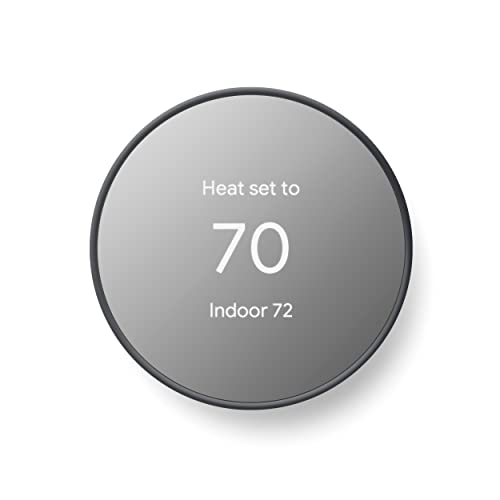
Smart Thermostat Guide: Features, Compatibility, and Buying Tips
Understand how smart thermostats work, which features truly matter, and how to verify compatibility with your HVAC system. This guide walks through C wire requirements, system types, installation considerations, and how to choose the right model for your home.
START THE GUIDEWhat Is a Smart Thermostat?
A smart thermostat is a Wi-Fi-connected controller for your heating and cooling system. Unlike a basic programmable thermostat that follows a fixed schedule, a smart thermostat can adapt to your routines, respond to occupancy, and be controlled remotely through a mobile app or voice assistant.
Core capabilities typically include:
- Remote control: Adjust temperature from a phone, tablet, or voice assistant.
- Scheduling and learning: Set schedules manually or allow the thermostat to learn patterns over time.
- Occupancy detection: Use motion or geofencing to adjust temperature when nobody is home.
- Energy reporting: Track runtime and compare usage across days or months.
- Smart home integration: Connect with platforms such as Alexa, Google Home, or Apple Home.
For a broader look at how these devices fit into a connected home, see the smart home AC thermostat guide and the smart HVAC technology overview. If you are also considering AC control beyond the thermostat, the smart AC control guide covers related options.
How Smart Thermostats Work with Your HVAC System
A thermostat is essentially a set of switches that tell the HVAC equipment when to run. When the room temperature deviates from the setpoint, the thermostat closes a circuit that signals the furnace, air handler, or compressor to activate. Smart thermostats perform the same switching function but add connectivity and processing power.
The low-voltage wiring between the thermostat and the HVAC control board typically includes:
- R: 24V power
- C: common wire for continuous power
- W: heating call
- Y: cooling call
- G: fan call
- O/B: reversing valve for heat pumps
Understanding the C wire is especially important for smart thermostats because most models need continuous power for Wi-Fi and displays. The smart thermostat C wire guide explains how to check for one and what to do if it is missing. Homes without a C wire can sometimes use a compatible model, as covered in the no C wire thermostat guide.
Key Features to Evaluate Before Buying
Not every feature is equally useful. Prioritize the ones that match your routine and HVAC equipment:
Scheduling and Learning
Basic scheduling lets you set temperature blocks for morning, day, evening, and night. Learning thermostats go further by detecting patterns and proposing schedules automatically. Learning features work best when the household routine is fairly consistent.
Occupancy and Geofencing
Geofencing uses your phone’s location to switch to an away mode when you leave and resume comfort settings when you return. Motion sensors inside the thermostat provide similar benefits within the home.
Remote Sensors
Remote sensors placed in different rooms help balance temperatures in homes where the thermostat location does not reflect the rooms you actually use. This is valuable in multi-story homes or rooms with uneven sun exposure.
HVAC Equipment Support
Check that the thermostat supports your system type: single-stage, multi-stage, heat pump, dual fuel, or zoning. Multi-stage and variable-speed equipment often require thermostats with additional terminals and configuration options. For related context, see the single-stage AC guide and the single-zone mini-split overview.
Smart Home Integration
If you already use a voice assistant or smart home hub, confirm compatibility. Integration quality varies by brand and platform, so check current support lists before purchasing.
Display and Interface
Touchscreens, dial interfaces, and app-only controls each suit different users. Consider readability in low light and ease of use for everyone in the household.
Compatibility Checks Before You Buy
Compatibility is the most common source of frustration with smart thermostats. Verify the following before purchase:
| System Type | Compatibility Notes | What to Verify |
|---|---|---|
| Conventional furnace + AC | Widely supported | C wire presence and transformer capacity |
| Heat pump | Supported by many models | O/B terminal and multi-stage support |
| Dual fuel | Model-dependent | Fossil fuel kit and dual fuel configuration |
| Zoned systems | Requires specific support | Zone panel compatibility |
| Mini-split / ductless | Often proprietary | Manufacturer-specific controllers |
| Line-voltage electric heat | Not compatible with standard low-voltage thermostats | Requires line-voltage thermostat |
For heat pump and combined systems, see the heating and cooling thermostat guide. For ductless equipment, the split system thermostat guide and mini-split thermostat overview explain the limitations and workarounds.
Evaluating Smart Thermostats by Product Tier
To compare models without relying on monetary figures, this guide uses tier descriptors. Each tier reflects relative market position and feature depth:
Entry-Level Tier
Basic Wi-Fi control, simple scheduling, and app access. Suitable for single-stage systems and users who mainly want remote control and a cleaner interface.
Mid-Tier
Adds occupancy sensing, remote sensors, or improved HVAC support. A practical choice for homes with heat pumps, multi-stage equipment, or rooms with uneven temperatures.
High-End Tier
Learning algorithms, advanced sensor suites, and deep smart home integration. Best for households that want automated comfort and detailed energy reporting.
Professional-Grade
Contractor-focused thermostats with diagnostic tools, zoning support, and robust compatibility with complex HVAC equipment. Often installed by technicians.
A mid-tier model often delivers the best balance for residential use, while high-end tier models justify their position through advanced automation and sensor support. Professional-grade units are worth considering when the HVAC system is complex or when multiple zones need coordinated control. For related smart home context, see the smart thermostat HVAC overview and the smart heating and air conditioning guide.
Installation Considerations
Many smart thermostats are designed for DIY installation, but some situations call for a professional:
- Label wires before removal. Take a photo of the existing terminal layout.
- Turn off power at the breaker. Do not rely solely on the thermostat’s off setting.
- Check for a C wire. If missing, decide whether to use an adapter kit or a compatible model.
- Verify transformer capacity. Adding a smart thermostat may require checking the VA rating.
- Test the system after installation. Confirm heating, cooling, and fan operation.
If your system uses proprietary controls, line-voltage heating, or complex zoning, professional installation is strongly recommended. The smart thermostat guide covers additional installation scenarios, and the C wire guide explains adapter kit options in detail.
Keeping a Smart Thermostat Reliable
Smart thermostats require little maintenance, but a few habits keep them performing well:
- Keep firmware updated. Updates improve compatibility and fix bugs.
- Replace batteries on schedule. Battery-powered models need periodic replacement to avoid Wi-Fi dropouts.
- Clean the display and vents. Dust can affect temperature sensing in some models.
- Review schedules seasonally. Adjust away modes and setpoints as routines change.
For broader HVAC maintenance context, see the AC filter cleaning guide and the seasonal AC checklist.
Quick Buyer Checklist
- Identify your HVAC system type and existing thermostat wiring.
- Check for a C wire and decide whether an adapter or a no-C-wire model is needed.
- Confirm compatibility using the manufacturer’s online checker.
- Decide which features matter most: scheduling, occupancy, remote sensors, or smart home integration.
- Consider how many people in the household will use the interface and app.
- Plan for professional installation if the system is complex.
- Review warranty terms and return policies in case of compatibility issues.
- Keep existing wiring labels and photos for reference.
Frequently Asked Questions
What is a smart thermostat?
A smart thermostat is a Wi-Fi-connected device that controls heating and cooling equipment. Unlike basic programmable thermostats, smart models can learn schedules, respond to occupancy, integrate with smart home platforms, and provide remote control through a mobile app.
Do smart thermostats save energy?
Smart thermostats can reduce energy use by optimizing schedules, detecting occupancy, and adjusting temperature when the home is empty. Actual savings depend on the home’s insulation, climate, HVAC efficiency, and how consistently the thermostat’s features are used.
Does a smart thermostat need a C wire?
Many smart thermostats require a C wire for reliable continuous power. Some models are designed to work without one using batteries or power-stealing technology. Check the manufacturer’s compatibility guide for your specific model and HVAC system.
Are smart thermostats compatible with heat pumps?
Many smart thermostats support heat pumps, but compatibility depends on the model and the heat pump’s wiring. Heat pumps use additional wires for the reversing valve and may require multi-stage support. Always verify compatibility before purchasing.
Can I install a smart thermostat myself?
Many smart thermostats are designed for DIY installation with step-by-step app guidance. However, if your system uses complex wiring, lacks a C wire, or is a proprietary mini-split system, professional installation is recommended.