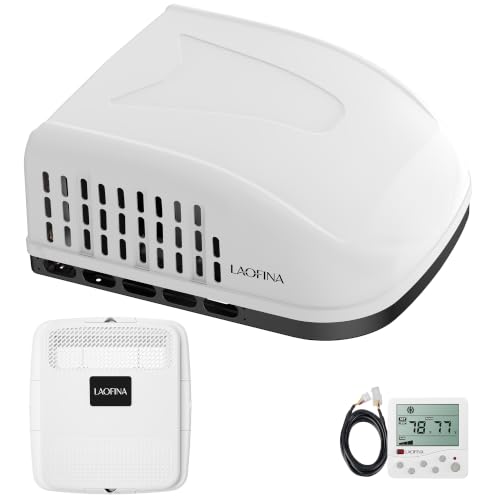
Motorhome AC Unit: Complete Guide to RV Air Conditioning
Everything you need to know about choosing, installing, and maintaining a motorhome air conditioner — from BTU sizing and ducted vs non-ducted systems to off-grid cooling options.
START LEARNINGWhy this guide matters: A motorhome AC unit works harder than a residential air conditioner. It must handle intense sun exposure, limited insulation, vibration from travel, and often a 12V or shore-power electrical system. Choosing the right unit — and maintaining it properly — is essential for comfortable travel and a long service life.
What Is a Motorhome AC Unit?
A motorhome AC unit is a self-contained air conditioning system designed specifically for recreational vehicles. Unlike a home air conditioner that relies on ductwork built into a structure, a motorhome AC is typically mounted on the roof, draws power from the RV's electrical system or a campground shore-power connection, and distributes cooled air directly or through compact ceiling ducts.
Most motorhome AC units are rooftop models with a ceiling assembly inside the living space. They are built to withstand vibration, weather exposure, and the tight clearances of an RV roof. Some smaller campers and vans use portable or window-style units, but rooftop models remain the standard for Class A, Class C, and many travel trailer applications.
Types of Motorhome AC Units
Understanding the main categories helps you narrow down the right system for your rig. Each type has distinct installation requirements, cooling behavior, and power demands.
Rooftop AC Units (Ducted vs Non-Ducted)
Rooftop units are the most common motorhome air conditioners. A non-ducted unit blows cooled air directly downward from the ceiling assembly and is simpler and quicker to install. A ducted unit routes cooled air through ceiling ducts to multiple vents, delivering quieter and more even cooling across the living space. Ducted systems are common in larger Class A motorhomes, while non-ducted units are typical in smaller campers and vans.
Portable and Window-Style Units for Smaller Rigs
Camper vans, teardrop trailers, and small Class B motorhomes may not have roof space or the structural support for a rooftop unit. In these cases, a portable air conditioner for camper or a compact window unit can be a practical alternative. These units are easier to remove and store, but they typically cool a smaller area and require venting or window mounting. For campers without a traditional window, a portable AC unit for a room without windows offers a workaround, though efficiency is lower than a dedicated rooftop system.
Off-Grid and 12V Cooling Options
Boondocking and off-grid travel bring unique cooling challenges. Standard rooftop AC units draw significant power and are usually impractical on battery alone. Dedicated off-grid cooling solutions — including high-efficiency 12V units, large lithium battery banks with inverters, and off-grid solar AC setups — can extend cooling time without shore power. These systems require careful planning and are typically a long-term investment rather than a plug-and-play solution.
How to Size a Motorhome AC Unit
Sizing a motorhome AC unit is not the same as sizing a home air conditioner. RV interiors are smaller, but they absorb far more heat through thin walls, large windows, and direct roof sun exposure. Undersizing leaves you uncomfortable on hot days; oversizing causes short cycling, poor humidity control, and unnecessary wear.
| Motorhome Type | Typical Interior Size | Recommended Cooling Capacity | Best For |
|---|---|---|---|
| Camper van / Class B | Up to ~100 sq ft | 9,000 – 11,000 BTU | Entry-level and compact travel |
| Small Class C / Travel Trailer | 100 – 200 sq ft | 13,500 BTU | Mid-range couples and small families |
| Large Class C / Small Class A | 200 – 300 sq ft | 15,000 BTU | Balanced cooling for full-time travel |
| Large Class A | 300+ sq ft | Dual 13,500 – 15,000 BTU units | Premium comfort in extreme heat |
Use this table as a starting point, then adjust for climate and insulation. A rig used in the desert Southwest needs more capacity than one used in mild coastal climates. Poor insulation, large unshaded windshields, and dark exterior colors all increase the cooling load. If you are unsure, a slightly higher capacity unit with a variable-speed or multi-speed fan gives you more flexibility than a unit that is exactly at the limit.
Motorhome AC Buying Guide
When comparing motorhome AC units, focus on the features that directly affect comfort, power use, and long-term reliability. The market breaks down into clear tiers.
Standard Rooftop Units
Single-speed compressors, basic controls, and solid cooling for moderate climates. A good value for its tier and a reliable choice for occasional weekend trips.
Multi-Speed / Ducted Units
Quieter operation, more even cooling through ducts, and better humidity control. Feature-rich for its class and well-suited to full-time travelers.
High-Efficiency & Smart Units
Inverter-driven compressors, low-amp draw, and smart thermostat compatibility. A long-term investment for large motorhomes and extreme climates.
Key Features to Compare
- Cooling capacity (BTU): Match the unit to your interior size and climate, as shown in the sizing table above.
- Power draw (amps): A 13,500 BTU unit typically draws around 12–15 amps on startup; a 15,000 BTU unit draws slightly more. Check your generator and shore-power capacity.
- Ducted vs non-ducted: Ducted systems are quieter and more even but harder to retrofit. Non-ducted units are simpler and work well in compact spaces.
- Fan speed and noise: Multi-speed fans let you run the unit at a lower, quieter setting at night.
- Heat pump function: Some rooftop units include a heat pump mode for mild-weather heating, reducing the need for a separate furnace.
- Smart controls: Thermostat compatibility and remote monitoring are increasingly common in premium units.
- Roof gasket and build quality: Look for durable construction, weather-resistant coating, and a well-sealed mounting gasket to prevent leaks.
Installation Considerations
Most rooftop motorhome AC units are installed through a standard 14-inch × 14-inch roof opening. Before installation, confirm that your roof can support the unit's weight and that the opening is properly framed. The unit must sit level, and the roof gasket must be compressed evenly to create a watertight seal.
Electrical work is the other critical factor. Rooftop units typically require a dedicated 120V circuit, and many motorhomes use a 30-amp or 50-amp shore-power connection. If you are adding a second unit or upgrading capacity, verify your breaker panel, wiring gauge, and generator output. For off-grid setups, plan the battery and inverter capacity around the unit's startup surge, not just its running amps.
If your rig has no roof opening and you prefer not to cut one, a portable unit that vents through a window or a specialized portable AC unit that does not need a window can be a lower-risk alternative, though cooling performance and efficiency are generally lower than a properly installed rooftop system.
Maintenance Tips for Motorhome AC Units
Regular maintenance keeps your motorhome AC running efficiently and extends its service life. RV units face more vibration, dust, and weather exposure than home systems, so a consistent routine matters.
- Clean or replace the air filter every two to four weeks during heavy use. A clogged filter reduces airflow and strains the compressor.
- Inspect the roof gasket annually. Look for cracks, compression, or water stains around the ceiling assembly. Replace the gasket if it no longer seals properly.
- Clean the condenser coils at the start of each cooling season. Dust and debris on the roof-mounted coils reduce heat transfer and efficiency.
- Check the condensate drain for clogs. Water pooling inside the coach is often a sign of a blocked drain line.
- Tighten electrical connections periodically. Vibration can loosen terminals and cause voltage drops or overheating.
- Run the unit regularly even in the off-season to keep seals lubricated and to catch problems early.
If your unit stops cooling, do not assume it needs replacement. Many issues — such as a unit not blowing cold air or a compressor running but not cooling — have straightforward diagnostic paths. A technician can check refrigerant levels, capacitors, and the compressor before you commit to a new unit.
Common Motorhome AC Problems
RV air conditioners are exposed to conditions that home units never face. Here are the most common issues and what they usually mean:
- AC runs but does not cool: Often low refrigerant, a failed capacitor, or a dirty condenser coil. See our guide on AC unit running but not cooling for troubleshooting steps.
- Fan spins but no cold air: The compressor may not be engaging. Check the capacitor and thermostat first. A related guide covers fan spinning but no cold air.
- Water dripping inside the coach: Usually a clogged condensate drain or a failed roof gasket. See air conditioner dripping water inside.
- Unit short cycles: An oversized unit or a thermostat issue. In an RV, a unit that cools too quickly and shuts off before removing humidity is a sign of oversizing.
- Loud operation or vibration: Loose mounting bolts, worn fan bearings, or debris in the fan shroud. Inspect the roof unit after travel.
Powering Your Motorhome AC
Power is the single biggest constraint in RV cooling. A standard 13,500 BTU rooftop unit draws roughly 12–15 amps running, with a startup surge that can briefly exceed 20 amps. On a 30-amp shore-power connection, running the AC alongside a microwave or coffee maker can trip the breaker. On a 50-amp connection, you have more headroom, especially with dual units.
Generator sizing follows the same logic: the generator must handle the startup surge of the AC plus the other loads running at the same time. For off-grid use, a large lithium battery bank and a high-capacity inverter can run an AC for a limited time, but the energy math is demanding. A dedicated 12V or high-efficiency inverter unit is usually a more realistic off-grid solution than trying to power a standard rooftop unit from batteries alone.
Frequently Asked Questions
What size AC unit do I need for my motorhome?
It depends on interior square footage and insulation. A compact camper van typically needs 9,000–11,000 BTU, a mid-size Class C needs 13,500–15,000 BTU, and a large Class A may need 15,000 BTU or a dual-unit setup. Adjust upward for hot climates and poor insulation.
Can I run a motorhome AC unit on battery power?
Most standard rooftop units draw too much power for a typical battery bank. Running AC on battery requires a large lithium bank and a high-capacity inverter, or a specialized 12V DC air conditioner. Solar can supplement the system but rarely powers a full-size AC continuously.
How often should I service my motorhome AC unit?
Service it at least once per year, ideally before the cooling season. Clean or replace the filter every two to four weeks during heavy use, inspect the roof gasket annually, and have a technician check refrigerant and electrical connections every one to two years.
What is the difference between ducted and non-ducted motorhome AC?
A ducted unit distributes cooled air through ceiling ducts to multiple vents for quieter, more even cooling. A non-ducted unit blows air directly from the ceiling assembly — simpler to install but louder and less even in larger spaces.
Can I install a motorhome AC unit myself?
Rooftop installation requires cutting or using a roof opening, sealing the gasket, and wiring a dedicated circuit. If you are comfortable with roof work and 120V electrical, a DIY install is possible. Otherwise, professional installation is safer and protects your warranty.
Ready to Choose the Right Motorhome AC Unit?
Compare top-rated RV air conditioners, check availability, and read full feature breakdowns to find the best fit for your rig.
View Top Picks