Off Grid Solar AC: Complete Guide to Solar-Powered Cooling
Cooling a home or cabin without utility power is entirely possible with the right solar AC setup. This guide explains how off grid solar air conditioners work, which system types fit different needs, how to size the solar array and battery bank, and what to consider before investing in solar-powered cooling.
EXPLORE THE GUIDEQuick summary: An off grid solar AC system combines solar panels, a charge controller, a battery bank, and either a DC-native solar air conditioner or a conventional high-efficiency AC paired with an inverter. The two most practical approaches are dedicated DC solar AC units for single rooms and high-efficiency inverter mini-splits backed by a properly sized solar and battery system for larger spaces. Sizing the array and battery correctly is the single biggest factor in whether the system performs reliably.
How Off Grid Solar AC Systems Work
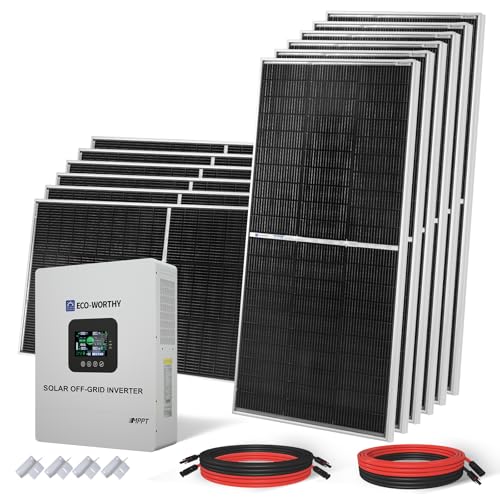
Off grid solar cooling relies on the same refrigeration cycle as any air conditioner, but the electricity comes from solar panels and batteries instead of the utility grid. The system has four main parts working together: solar generation, energy storage, power conversion (when needed), and the cooling unit itself.
Solar Panels
Photovoltaic panels convert sunlight into DC electricity. The array must be sized to cover the AC's daily energy use plus charging losses and a safety margin. Panel orientation and shading have a major impact on real-world output.
Charge Controller
An MPPT charge controller regulates the voltage from the panels to safely charge the battery bank and maximize energy harvest. It also protects the battery from overcharge and deep discharge.
Battery Bank
Batteries store energy for nighttime and cloudy periods. Lithium iron phosphate (LiFePO4) batteries are the modern standard for off grid cooling because of their depth of discharge, cycle life, and stable performance.
Inverter (for AC units)
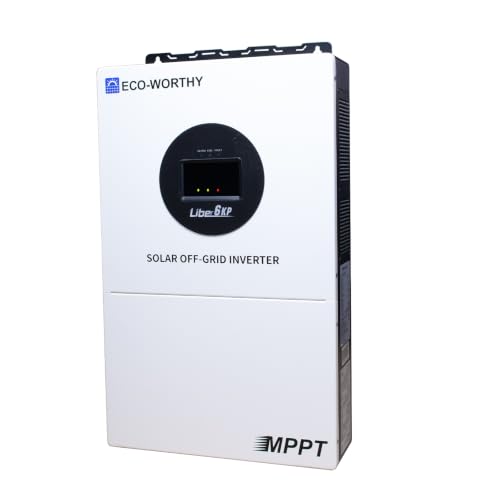
If the air conditioner runs on standard AC power, an inverter converts DC from the panels and batteries into AC. Inverter efficiency and surge capacity matter because compressors draw a large startup current.
DC Solar AC Unit
Some solar air conditioners are purpose-built to run directly on DC power, eliminating the inverter and its conversion losses. These are often smaller-capacity units designed for single rooms or cabins.
Cooling Load
The size of the space, insulation quality, window area, and local climate determine how much cooling the system must deliver. A well-insulated room can be cooled with a much smaller solar AC system.
Main Types of Off Grid Solar AC Systems
There are three practical approaches to solar-powered cooling. Each has a different balance of efficiency, capacity, and installation complexity. The best choice depends on your space, climate, and how much cooling you need through the night.
Dedicated DC Solar Air Conditioner
A DC solar AC is designed from the ground up to run on DC power. It connects directly to the solar array and battery bank, avoiding the DC-to-AC conversion loss that a standard inverter introduces. These units are typically available in smaller capacities suited to bedrooms, small cabins, and single-room cooling. They are the most efficient option for off grid use but are limited in capacity and require a compatible DC power system.
High-Efficiency Inverter AC with Solar and Battery
A conventional high-efficiency inverter mini-split can run on solar through an inverter and battery bank. Inverter compressors modulate speed instead of cycling on and off, which reduces surge loads and makes them friendlier to solar systems. This approach offers larger capacity and wider model choice, but the solar array and battery bank must be sized to handle the inverter losses and the compressor's startup draw. For homes that need multi-room cooling, see our guide to multi-zone mini-split systems.
Hybrid Solar AC with Grid Backup
Some installations use solar as the primary power source with the grid as a backup for cloudy stretches or heavy cooling demand. This is not strictly off grid, but it is a practical middle path for homes that want solar cooling without the full battery investment. If your goal is complete independence, focus on dedicated DC units or a properly sized inverter AC system with a large battery bank.
Comparing Off Grid Solar AC Options by Tier
The table below maps each approach to its typical build quality, best use case, and practical capacity. Use it to narrow down which system fits your off grid cooling project.
| System Tier | Typical Build | Best For | Practical Capacity |
|---|---|---|---|
| Entry-level DC solar AC | Compact DC compressor, basic charge controller integration, single-room design | Cabins, tiny homes, single bedrooms | Small rooms, daytime-heavy cooling |
| Mid-range DC solar AC | Higher-efficiency DC inverter compressor, MPPT controller, better insulation compatibility | Off grid homes needing reliable single-zone cooling | Medium rooms, partial overnight runtime |
| High-end tier inverter AC on solar | Variable-speed inverter mini-split, large battery bank, high-capacity inverter | Whole-home off grid cooling or multi-room setups | Multiple rooms, extended runtime with proper battery sizing |
| Professional-grade hybrid system | Commercial-grade inverter AC, large LiFePO4 bank, grid or generator backup | Remote properties with high cooling demand | Large spaces, continuous operation with backup |
How to Size an Off Grid Solar AC System
Correct sizing is the difference between a system that cools reliably and one that falls short on hot afternoons. The process has three steps: determine the cooling load, calculate daily energy use, then size the solar array and battery bank.
Step 1: Determine the Cooling Load
Start with the square footage of the space and adjust for insulation, window area, ceiling height, and local climate. A well-insulated room needs significantly less cooling than a poorly insulated one of the same size. For a detailed method, see our guide on how to size an air conditioner — the same BTU principles apply to solar AC selection.
Step 2: Calculate Daily Energy Use
Multiply the AC's running wattage by the number of hours it will run per day. Inverter ACs vary their draw based on load, so use the average running wattage rather than the peak. Add 10 to 15 percent for inverter losses if you are using a conventional AC unit.
Step 3: Size the Solar Array
Divide daily energy use by your local peak sun hours, then add a 25 to 30 percent safety margin for cloudy days, panel degradation, and charging losses. A location with five peak sun hours needs a smaller array than one with three.
Step 4: Size the Battery Bank
Battery capacity must cover the AC's runtime when solar is not producing. If you want overnight cooling, the bank must cover the full night's energy use plus a reserve. LiFePO4 batteries allow deeper discharge than lead-acid, so they need less nominal capacity for the same usable energy.
What to Look For in an Off Grid Solar Air Conditioner
Not every air conditioner is a good candidate for solar power. The checklist below covers the features that matter most for off grid reliability and efficiency.
Solar AC Selection Checklist
- DC-native or high-efficiency inverter compressor: Reduces conversion losses and surge demand, both critical for off grid systems.
- Low startup surge: Compressors with soft-start or inverter modulation are easier on inverters and batteries.
- Compatible voltage range: DC solar ACs should match your battery bank voltage; AC units should match your inverter output.
- Remote or programmable control: Scheduling cooling during peak sun hours reduces battery demand at night.
- Durable construction: Weather-resistant coatings and sealed electronics matter for cabins and remote installations.
- Service and parts availability: Off grid locations make local support more important, not less.
- Clear efficiency documentation: Look for published wattage and SEER or equivalent efficiency data so sizing is accurate.
Practical Considerations Before Going Solar Off Grid
Solar cooling is a long-term investment that rewards careful planning. These considerations help you avoid common mistakes and set realistic expectations.
Insulation and Shading Come First
Every unit of cooling you avoid through insulation, window shading, and air sealing reduces the solar array and battery capacity you need. Improving the building envelope is usually the highest-return step in any off grid cooling project.
Cool During Peak Sun When Possible
Running the AC hardest when the sun is strongest lets the solar array carry the load directly and reduces battery cycling. Programmable thermostats and timers make this easy.
Plan for Maintenance
Filters, coils, and batteries all need attention. Battery capacity degrades gradually, and a bank that was adequate when new may fall short after several years. Budget for eventual battery replacement as part of the long-term investment.
Consider a Backup Source
Extended cloudy periods are inevitable. A small generator or a grid connection as backup keeps the system usable through unusual weather, even if the goal is full independence most of the time.
For readers also exploring non-solar off grid cooling methods, our guide to off grid cooling covers evaporative, passive, and low-power alternatives that can complement a solar AC system.
Related Guides for Off Grid and Efficient Cooling
If you are building an off grid cooling plan, these related guides provide additional detail.
- Off grid cooling — broader strategies for staying cool without utility power.
- Most energy efficient room air conditioner — the efficiency leaders that reduce solar system sizing requirements.
- Most reliable air conditioner — durability factors that matter even more in remote installations.
- Portable air conditioner with solar panel — smaller-scale solar cooling options for tents, RVs, and temporary setups.
- Portable air conditioner without electricity — alternatives when solar is not available.
Frequently Asked Questions
Can I run an air conditioner entirely on solar power off grid?
Yes, but it requires careful system design. A dedicated DC solar air conditioner paired with a properly sized solar array and battery bank can run off grid. Conventional AC units can also run on solar through an inverter and battery system, but the solar array and battery capacity must be sized for the compressor's surge load. High-efficiency inverter units and DC-native solar ACs are the most practical choices.
What size solar system do I need for an off grid air conditioner?
Solar array size depends on the AC's wattage, daily runtime, and local sun hours. A general rule is to multiply the AC's running watts by the hours of daily use, then divide by peak sun hours, and add a safety margin of 25 to 30 percent. Battery capacity must cover overnight and cloudy-day runtime. Dedicated DC solar ACs and high-efficiency inverter models reduce the array and battery requirements significantly.
What is the difference between a DC solar AC and a conventional AC on solar?
A DC solar AC runs directly on DC power from solar panels or batteries, avoiding the efficiency loss of converting DC to AC. It is purpose-built for off grid use and typically includes a solar charge controller and battery interface. A conventional AC on solar requires an inverter to convert DC to AC, adding conversion losses and requiring a larger solar array and battery bank. DC solar ACs are usually smaller capacity and better suited to single rooms.
Do off grid solar AC systems work at night or on cloudy days?
They can, but only if the battery bank is sized to cover those periods. During daylight, solar panels power the AC and charge the battery. At night or during cloudy weather, the battery supplies power. Off grid solar AC systems that run through the night require substantially larger battery capacity, and many users combine solar AC with passive cooling or schedule heavy cooling during peak sun hours to reduce battery demand.
Ready to Explore Solar-Ready Air Conditioners?
Compare efficient and solar-compatible AC models that reduce your off grid system sizing requirements and deliver dependable cooling.
VIEW RECOMMENDED MODELS