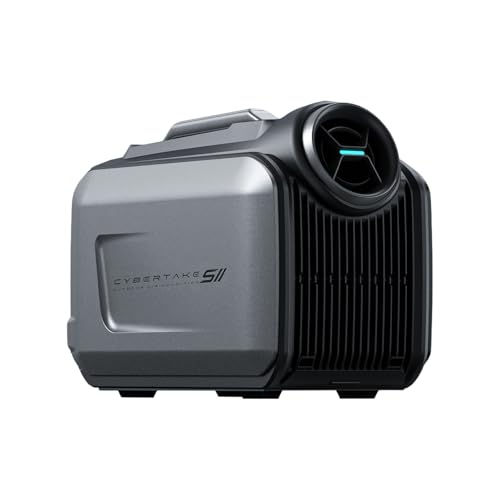
Portable Air Conditioner for Camper: Your Complete Cooling Guide
Discover how to choose, install, and maintain a portable AC for your camper so you can stay cool and comfortable on every adventure.
START LEARNINGWhy a Portable AC for Your Camper? Camping doesn't have to mean sweating through hot summer nights. A portable air conditioner for your camper gives you flexible, targeted cooling without the permanent installation of a rooftop unit. Whether you own a travel trailer, fifth wheel, or camper van, understanding your cooling options helps you make a confident purchase decision.
Why Choose a Portable Air Conditioner for Your Camper?
Camper air conditioning comes in several forms — rooftop units, built-in ducted systems, and portable floor-standing units. Portable air conditioners stand out for their flexibility. They require no permanent roof modification, can be moved between rooms or even between vehicles, and are straightforward to set up for weekend trips.
For many camper owners, a portable unit is the ideal solution when their vehicle lacks a built-in AC system or when the existing unit needs supplemental cooling during extreme heat. Modern portable units feature inverter technology for smoother operation and better energy efficiency during longer stays at campgrounds.
It's important to note that portable AC units for campers require proper venting through a window or a dedicated vent opening. If your camper has limited window access, explore options like a portable air conditioner without a window vent to understand alternative configurations.
How Does a Portable Air Conditioner Work in a Camper?
A portable air conditioner draws in warm air from the room, cools it through a refrigeration cycle, and blows the cooled air back into your living space. At the same time, it exhausts hot air and moisture through a hose that must be routed outdoors — typically through a window or vent.
The key components include a compressor, condenser coils, evaporator coils, and a fan. Understanding the intake and exhaust process helps you set up the unit correctly and avoid common performance issues like insufficient cooling or excess humidity.
Many models now feature self-evaporating systems that reduce the need to manually drain condensed water, which is a significant convenience when you're on the road and have limited access to drainage options.
Buying Guide: Key Factors for Camper Portable AC
Choosing the right portable air conditioner for your camper involves several considerations that differ from selecting a unit for a traditional home. Below are the most critical factors to evaluate before making a purchase.
1. Cooling Capacity (BTU)
Cooling capacity is measured in British Thermal Units (BTU). For campers, the required BTU depends on the square footage of your living space, insulation quality, and climate. As a general guideline:
- Small campers (under 150 sq ft): 5,000–8,000 BTU units are typically sufficient.
- Mid-size campers (150–300 sq ft): 8,000–12,000 BTU offers balanced cooling.
- Large campers or extreme heat: 12,000–14,000 BTU may be necessary.
Oversizing a unit can lead to short cycling, which wastes energy and fails to properly dehumidify the air. Undersizing leaves you uncomfortable. Use our AC sizing guide to calculate the right capacity for your camper's layout.
2. Venting Requirements
Every portable AC needs a way to exhaust hot air. In a camper, you'll typically vent through a window using a window kit. If your camper has casement or crank-out windows, you may need a specialized kit such as a portable air conditioner for casement windows or a crank-out window kit.
Some campers have sliding windows, and using a sliding window kit ensures a secure fit. Proper sealing around the exhaust hose prevents hot outside air from re-entering and reduces cooling efficiency.
3. Power Consumption and Electrical Compatibility
Campers have limited electrical capacity. Most portable AC units draw between 800 and 1,400 watts, which can strain a 30-amp campground hookup if you're running other appliances simultaneously. Check your camper's electrical panel and consider a high-efficiency inverter model that ramps power usage up and down rather than cycling on and off abruptly.
If you frequently camp off-grid, explore alternative cooling solutions that don't rely on electricity or consider a solar-powered portable AC for sustainable operation.
4. Size and Weight
Camper space is precious. Measure the floor area where you plan to place the unit and confirm the dimensions of the model you're considering. Look for units with wheels for easy repositioning. Weight matters too — lighter units are easier to load and unload at the start and end of each trip.
5. Drainage and Humidity Management
Portable AC units remove moisture from the air as they cool. Most collect this water in an internal tank or drain it through a hose. In humid climates, you may need a unit with a robust self-evaporating system or one that allows continuous drainage via a hose-free design. For campers in particularly humid regions, consider a portable AC designed for humid conditions.
6. Noise Level
Portable AC units generate noise from the compressor and fan. In a small camper, noise is more noticeable than in a large house. Look for models marketed as quiet or those with adjustable fan speeds. Reading user reviews can give you a realistic sense of noise levels during operation.
7. Additional Features
Many modern portable ACs include heating and dehumidifying functions. A portable air conditioner and heater in one is particularly useful for campers who travel across seasons. Wi-Fi-enabled models let you control cooling remotely, which is convenient when you're returning to your camper after a day of hiking. Some units also include air purification features, which are beneficial in the confined space of a camper.
Portable AC Options for Campers by Tier
The table below compares portable air conditioner categories for campers based on their market positioning and intended use. Use this as a starting point to narrow down your options.
| Tier | Best For | Key Characteristics |
|---|---|---|
| Entry-Level | Small campers, occasional weekend trips | Compact size, basic cooling functions, manual controls, single-hose exhaust |
| Mid-Range | Mid-size campers, regular seasonal use | Dual-hose exhaust, digital controls, dehumidification mode, self-evaporating design |
| Premium | Large campers, full-time RV living | Inverter compressor, Wi-Fi control, heat pump capability, quiet operation, high BTU capacity |
For camper owners who frequently camp in extreme heat or rely on their AC for full-time living, a premium-tier model with an inverter compressor offers better energy management and consistent cooling. Mid-tier units provide a solid balance for most seasonal campers. Entry-level units work well for small spaces and occasional use.
Installation and Setup Tips for Your Camper
Setting up a portable AC in a camper is straightforward, but a few best practices ensure optimal performance:
- Choose the right location: Place the unit on a level surface near a window or vent. Ensure there's adequate clearance around the unit for airflow.
- Seal the exhaust connection: Use the window kit provided with your unit and seal any gaps with foam or weather stripping. An insulated exhaust hose sleeve can reduce heat transfer and improve efficiency.
- Direct the exhaust hose properly: Keep the hose as straight and short as possible. Avoid kinks that restrict airflow.
- Manage drainage: If your unit collects water, check the drain tank regularly or set up continuous drainage if available.
- Test before your trip: Run the unit for at least an hour before leaving home to confirm it works correctly and fits your space as expected.
For campers without traditional windows, a portable air conditioner for a room with no window may require a custom venting solution. Some RV owners install a dedicated vent port through a wall or use a camper-trailer-specific venting approach.
Maintaining Your Camper's Portable AC
Regular maintenance extends the life of your portable air conditioner and keeps it running efficiently throughout camping season:
- Clean or replace the air filter every two to four weeks during heavy use. A clogged filter reduces cooling performance and strains the compressor.
- Empty the water tank regularly or set up continuous drainage to prevent mold and mildew growth inside the unit.
- Inspect the exhaust hose for cracks or damage before each trip. Replace it if you notice any wear.
- Store the unit properly during off-season: Clean it thoroughly, drain all water, and store it in a dry, dust-free location.
- Check the power cord and plug for signs of wear, especially if you frequently plug and unplug the unit at different campgrounds.
If your unit stops cooling effectively, refer to our troubleshooting guide on what to do when your portable air conditioner isn't cooling enough. For issues with the compressor or fan, consult a qualified technician or consider portable AC unit repair options.
Alternative Cooling Solutions for Campers
While portable air conditioners are a popular choice, other cooling options exist for campers:
- Rooftop RV AC units: Permanent installation, efficient for large campers, but requires roof modification. Learn more about motorhome AC units for a comparison.
- Evaporative coolers: Effective in dry climates but add humidity, which is counterproductive in already humid environments. A portable AC with evaporative technology may suit dry-climate campers.
- 12V DC air conditioners: Designed for off-grid use, these units run directly from battery banks. Explore off-grid cooling solutions for boondocking adventures.
- Personal cooling devices: For individuals sitting in one spot, a wearable portable air conditioner or a small USB-powered fan can provide relief.
For campers who want a permanent, ductless cooling solution, a ductless mini-split AC can be installed in some larger RVs, though it requires professional installation and a more significant investment.
Common Issues and Troubleshooting
Portable AC units in campers face unique challenges due to confined spaces and variable power sources. Here are common issues and how to address them:
- Unit not cooling: Check the air filter, verify the exhaust hose is properly vented, and ensure the unit isn't undersized for the space. If the compressor runs but doesn't cool, there may be a refrigerant issue requiring professional service.
- Water leakage: Empty the drain tank and check for blockages in the drainage system. If the unit is on an uneven surface, reposition it to level ground.
- Tripping campground breakers: Portable AC units draw significant power. Avoid running the AC simultaneously with a microwave, electric water heater, or other high-wattage appliances. Consider a soft-start adapter or an inverter model.
- Excessive noise: Ensure the unit is on a stable, level surface. Loose panels or debris inside the unit can cause rattling. If noise persists, the fan motor or compressor may need inspection.
For persistent issues, consult the manufacturer's troubleshooting guide or contact a qualified technician. Many common problems can be resolved with basic maintenance and proper setup.
Frequently Asked Questions
Ready to find the right portable air conditioner for your camper?
Browse our curated selection of top-tier portable AC units recommended for camper use. Compare features, read reviews, and choose the model that fits your travel style.
VIEW RECOMMENDED MODELS