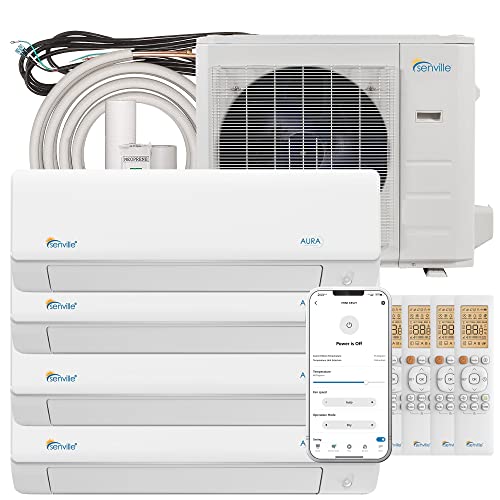
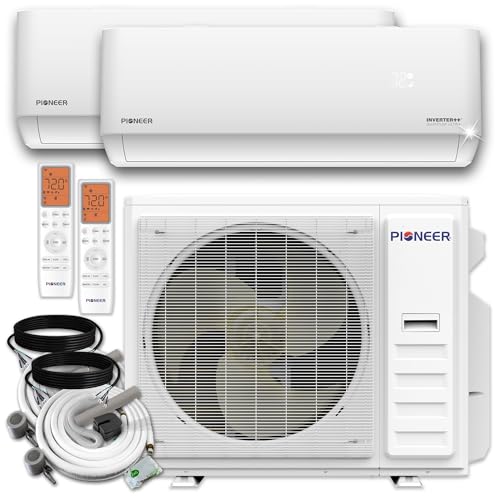
Multi Zone Ductless Heating and Cooling Systems
Discover how multi zone ductless systems deliver independent comfort to every room using a single outdoor unit, and learn how to choose the right configuration for your home.
START LEARNINGWhy this guide matters: A multi zone ductless system is one of the most flexible comfort solutions available today. Unlike a single-zone unit, it lets you heat and cool separate rooms independently, which improves comfort and reduces wasted energy. This guide explains how the technology works, how to size it correctly, and what to look for before you invest.
What Is a Multi Zone Ductless System?
A multi zone ductless heating and cooling system pairs a single outdoor compressor unit with two or more indoor air handlers, often called heads. Each indoor head is installed in a separate room or zone, and each can be controlled independently with its own remote or thermostat. The system moves refrigerant through small line sets instead of conditioned air through ductwork, which is why it is described as ductless.
Because there are no ducts, these systems avoid the energy losses associated with leaky or poorly insulated duct runs. They are especially useful in homes without existing ductwork, in additions and converted spaces, and in layouts where different rooms have very different heating and cooling needs.
For a broader look at how a single-zone version operates, see our guide to a portable ductless mini split air conditioner. If you are comparing a system with several indoor heads but a simpler configuration, our overview of multi head mini split systems is a useful companion read.
How Multi Zone Ductless Systems Work
Each indoor air handler contains an evaporator coil and a blower. The outdoor unit contains the compressor and condenser coil. Refrigerant travels between the two through insulated line sets, absorbing heat indoors in cooling mode and releasing it outdoors. In heating mode, the refrigerant cycle reverses, and the system extracts heat from outdoor air and delivers it indoors.
The key difference from a single-zone system is the branch box or multi-port valve that distributes refrigerant to multiple indoor heads. The outdoor unit modulates its output based on how many zones are calling for conditioning and how much capacity each zone needs. Modern inverter-driven compressors can vary their speed smoothly, which helps maintain stable temperatures and reduces on-off cycling.
Zone Control Explained
Each zone has its own setpoint. A bedroom can be cooled while a home office stays warmer, or a rarely used guest room can be switched off entirely. This independence is the main advantage of a multi zone design, and it is why these systems are popular in multi-story homes, homes with finished basements, and properties with rooms that face different directions and receive uneven sun exposure.
Benefits of Multi Zone Ductless Heating and Cooling
Independent Room Control
Every zone has its own setpoint, so occupants can personalize comfort instead of accepting a single whole-house temperature.
No Duct Losses
Delivering conditioned air directly to each room avoids the losses that occur in leaky or under-insulated duct systems.
No Ductwork Required
Ideal for older homes, additions, and spaces where running ducts would be disruptive or impractical.
Heating and Cooling in One
Heat pump operation provides both cooling in summer and efficient heating in cooler months from the same system.
Low Indoor Noise
Because the compressor sits outdoors, indoor heads operate quietly, which is a benefit in bedrooms and home offices.
Discreet Installation
Wall, ceiling, and floor-mounted air handlers can blend into a room without the bulk of a central air handler or duct chase.
Types of Indoor Air Handlers for Multi Zone Systems
Multi zone systems can mix and match indoor unit styles on the same outdoor unit, as long as the combined capacity and configuration are compatible. Common options include:
- Wall-mounted high-wall units: The most common choice for bedrooms, living rooms, and offices. They are easy to install and service.
- Ceiling cassette units: Recessed into a drop ceiling and distribute air in multiple directions. A good fit for larger open areas and commercial spaces.
- Floor-mounted units: Placed low on a wall, often used where high-wall mounting is not practical or where heat distribution near the floor is preferred.
- Ducted mini-split air handlers: Connected to short duct runs to serve multiple small rooms or to hide the indoor unit. These are useful when a single zone covers a larger area.
Choosing the right indoor head for each zone matters as much as the outdoor unit. A wall unit in a bedroom, a cassette in an open-plan kitchen, and a ducted handler for a cluster of small rooms can all be combined on one multi zone system.
How to Size a Multi Zone Ductless System
Proper sizing starts with a room-by-room load calculation. The goal is to determine how much heating and cooling each zone needs, then match the outdoor unit to the combined load while accounting for the fact that not every zone will always run at full capacity.
Key Sizing Factors
- Square footage and ceiling height: Larger and taller rooms require more capacity.
- Insulation and air sealing: Poorly insulated rooms lose conditioned air faster and need more capacity.
- Windows and sun exposure: South- and west-facing rooms with large windows gain more heat.
- Occupancy and appliance load: Kitchens, home offices with equipment, and crowded rooms generate additional heat.
- Climate: Colder climates place more demand on heating capacity, while hot-humid climates emphasize cooling and dehumidification.
- Simultaneous operation: The outdoor unit must be able to support the combined load of the zones likely to run at the same time.
A common mistake is to oversize the outdoor unit, which can lead to short cycling and poor humidity control. Another is to undersize it by assuming only one zone will ever run. A professional load calculation avoids both problems and helps ensure the system delivers stable comfort.
| Zone Type | Typical Indoor Unit | Best For | Notes |
|---|---|---|---|
| Bedroom | High-wall unit | Quiet, individualized sleeping comfort | Look for low indoor noise ratings and night-mode features. |
| Living Room | High-wall or cassette | Larger open areas with variable occupancy | Cassettes distribute air more evenly in open layouts. |
| Home Office | High-wall unit | Rooms with equipment heat gain | Account for computers and monitors in the load calculation. |
| Finished Basement | High-wall or floor-mounted | Below-grade rooms with limited wall space | Consider dehumidification needs in humid climates. |
| Addition or Sunroom | High-wall or ducted handler | Spaces without existing ductwork | Ducted handlers can serve small adjacent rooms. |
Efficiency Ratings and What They Mean
Multi zone ductless systems are rated for both cooling and heating efficiency. Understanding the ratings helps you compare systems within the same class and choose one that matches your climate priorities.
- SEER2: Seasonal cooling efficiency. Higher ratings indicate better cooling efficiency over a season.
- EER2: Efficiency at peak cooling conditions. Useful for hot climates where the system runs near full load frequently.
- HSPF2: Heating seasonal efficiency. Important if you plan to rely on the system for winter heating.
It is worth noting that multi zone system efficiency can vary depending on how many zones are running. A system may be rated at a certain efficiency when all connected indoor heads operate, but real-world efficiency depends on usage patterns. If you want to compare broader efficiency benchmarks, our guide to the most energy efficient room air conditioner explains the terminology in more detail.
For cold climates, look for systems with enhanced low-temperature heating ratings and features such as a base pan heater, which prevents ice buildup on the outdoor unit during defrost cycles.
Installation Considerations
Installation of a multi zone ductless system is more involved than a single-zone unit because it requires refrigerant lines to multiple indoor locations and careful commissioning of each zone. Key considerations include:
- Line set routing: Plan the path for each line set early to minimize visible runs and avoid obstructions.
- Condensate drainage: Each indoor unit needs a reliable drain path, especially in cooling mode.
- Electrical capacity: The outdoor unit requires a dedicated circuit sized to its electrical ratings.
- Outdoor unit placement: The compressor needs adequate airflow, a stable base, and clearance from walls and vegetation.
- Permits and code: Many jurisdictions require permits for refrigerant work and electrical connections.
- Professional commissioning: Proper evacuation, leak testing, and refrigerant charge verification are essential for performance and longevity.
Choosing a qualified installer matters more with multi zone systems than with simpler equipment, because mistakes in line set length, charge adjustment, or branch box configuration can reduce efficiency and reliability.
Multi Zone Ductless vs Other System Types
| System Type | Zone Control | Ductwork | Best For |
|---|---|---|---|
| Multi zone ductless | Independent per zone | None | Homes without ducts, additions, multi-story layouts |
| Single zone mini split | One room only | None | Single rooms, garages, small apartments |
| Central air with zoning | Independent per zone | Required | Homes with existing and well-sealed ducts |
| Window or portable AC | One room only | None | Temporary, rental, or supplemental cooling |
If your goal is whole-home comfort but you have no ductwork, a multi zone ductless system is often the most practical path. If you already have well-sealed ducts, a central system with zoning may be more efficient to operate. For smaller spaces, a single-zone option such as a portable air conditioner or a dedicated multi zone mini split may be more appropriate.
Choosing a System by Tier
Multi zone systems fall into broad tiers based on build quality, feature set, and low-temperature performance. Rather than focusing on numbers, use these tiers to match the system to your priorities.
Essential Comfort
Good value for its tier. These systems cover the basics of zone control and are a solid choice for mild climates and smaller homes with straightforward layouts.
Balanced Performance
Feature-rich for its class, with better low-temperature heating, quieter indoor heads, and improved modulation for more stable temperatures.
High-End Efficiency
Well-specified for demanding climates. These systems typically offer strong cold-climate heating, advanced controls, and durable construction.
Commercial and Large Homes
Heavy-duty designs for larger zone counts, longer line sets, and continuous operation. Often used in light commercial and multi-unit residential projects.
Maintenance Tips for Multi Zone Systems
- Clean or replace filters regularly: Each indoor head has its own filter, so maintenance multiplies with the number of zones.
- Keep outdoor coils clear: Remove leaves and debris around the outdoor unit and rinse the coil periodically.
- Check condensate drains: A clogged drain can cause water leaks and indoor humidity problems.
- Schedule annual service: A technician should check refrigerant charge, electrical connections, and overall system performance once a year.
- Monitor performance by zone: If one zone stops cooling as well as the others, it may indicate a problem with that indoor unit, its line set, or its valve.
If a zone stops delivering cold air, our troubleshooting guide on my AC isn't blowing cold air covers common causes and what to check first.
Frequently Asked Questions
What is a multi zone ductless heating and cooling system?
A multi zone ductless system uses one outdoor compressor connected to multiple indoor air handlers, each serving a separate room or zone. Each zone can be controlled independently for heating and cooling without ductwork.
How many zones can a multi zone mini split support?
Most residential multi zone mini split systems support between two and five indoor zones, though commercial-grade and larger configurations can handle more. The number of zones depends on the outdoor unit's capacity and the combined load of all connected indoor heads.
Is a multi zone ductless system good for heating in cold climates?
Many modern multi zone ductless heat pumps are rated for cold-climate operation and can deliver efficient heating well below freezing. Look for models with enhanced low-temperature ratings and a base pan heater for reliable winter performance.
Do multi zone ductless systems require ductwork?
No. Multi zone ductless systems distribute conditioned air directly from indoor wall, ceiling, or floor-mounted air handlers, so no ductwork is required. This makes them ideal for older homes, additions, and spaces where running ducts is impractical.
How do I size a multi zone ductless system?
Sizing starts with a room-by-room load calculation that accounts for square footage, insulation, windows, sun exposure, occupancy, and climate. The outdoor unit must be matched to the combined load of all indoor zones, with capacity reserved for simultaneous operation.
Ready to Compare Multi Zone Systems?
Browse recommended multi zone ductless heating and cooling systems and review their features side by side. Every option below is selected for zone flexibility, efficiency, and reliability.
Explore Options