
Portable Ductless Mini Split Air Conditioner: What You Need to Know
Ductless mini splits deliver quiet, efficient cooling without ductwork, and their indoor air handlers offer flexibility that window and central systems cannot match. This guide explains how mini splits compare to portable ACs, when the "portable" label is accurate, and how to choose the right system for a room, addition, or whole home.
Jump to Buying CriteriaThe honest framing: A ductless mini split is not a rolling portable AC. The indoor head is flexible and easy to reposition within a room, but the outdoor condenser is permanently installed. What makes mini splits attractive is not mobility — it is efficiency, quiet operation, and the ability to cool spaces that ductwork cannot reach. Understanding that distinction is the key to choosing well.
What Is a Portable Ductless Mini Split?
A ductless mini split is a two-part cooling system. The indoor air handler mounts on a wall, ceiling, or floor and delivers conditioned air directly into the room. The outdoor condenser contains the compressor and releases heat outdoors. Refrigerant lines and a power cable connect the two components through a small opening in the wall.
The "portable" label is used loosely. In practice, it refers to the fact that the indoor air handler does not require ductwork and can be placed where cooling is needed — a room addition, a converted garage, a sunroom, or a home without existing ducts. The outdoor unit is fixed in place.
Two-Part System
An indoor air handler connected to an outdoor condenser by refrigerant lines. No ducts required.
Quiet Operation
The compressor sits outdoors, so indoor noise is limited to the fan and airflow — much quieter than a portable AC.
Not a Rolling Unit
The indoor head is not meant to be moved between homes. The outdoor condenser is permanently installed.
If you are still comparing the broader cooling category, the overview of portable AC units explains the trade-offs between vented portable units and ductless systems.
How Ductless Mini Splits Work
The system uses the same refrigerant cycle as any air conditioner: the compressor circulates refrigerant between indoor and outdoor coils, absorbing heat indoors and releasing it outdoors. Because no ductwork is involved, there is no energy lost to leaky ducts — one of the primary inefficiencies in central systems.
Single-zone vs. multi-zone
- Single-zone: One outdoor condenser serves one indoor head. Ideal for a single room, addition, or garage.
- Multi-zone: One outdoor condenser serves two to five indoor heads, each with independent temperature control. Well suited for homes without ducts that need several rooms cooled. See multi-zone mini split for the full breakdown.
- Multi-head: A variant where multiple indoor heads connect to a single outdoor unit for a unified temperature target. See multi-head mini split for the details.
Cooling and heating
Most modern mini splits are heat pumps that provide both cooling and heating. In mild to moderate climates, they are highly efficient in both modes. If year-round comfort matters, compare against a portable heat pump — but understand that a heat pump mini split uses a permanently mounted outdoor unit, not a rolling one.
Mini Split vs. Portable AC: Which Fits Your Situation?
These are different products solving different problems. Comparing them directly usually produces a clear answer once you know what you actually need.
| Factor | Ductless Mini Split | Portable AC |
|---|---|---|
| Installation | Professional, permanent | Self-setup, plug and play |
| Mobility | Fixed after install | Rolls between rooms |
| Noise | Very quiet indoors | Compressor noise indoors |
| Efficiency | High — no duct loss | Lower — heat recirculation indoors |
| Best for | Permanent room cooling, additions, no-duct homes | Temporary cooling, renters, backup use |
If your primary need is temporary cooling in a rented apartment, a ductless mini split is usually not the right choice — the installation commitment is too high. For that scenario, a portable air conditioner or a portable air conditioning unit for rent is more practical. If you own your home and want a permanent solution for a room that ductwork cannot reach, a mini split is usually the better long-term investment.
Sizing a Ductless Mini Split
Mini splits are sized in BTU capacity just like any other AC. Undersizing produces a unit that never reaches the set temperature; oversizing produces short cycling and poor dehumidification. Match capacity to the room's square footage and heat load.
| Room Size | Typical Capacity Range | Best For |
|---|---|---|
| Up to 350 sq ft | 9,000 BTU | Bedrooms, small offices |
| 350 – 550 sq ft | 12,000 BTU | Living rooms, large bedrooms |
| 550 – 800 sq ft | 18,000 BTU | Open-plan living areas |
| 800 – 1,200 sq ft | 24,000 BTU | Large living spaces, additions |
For rooms with high ceilings, direct sun exposure, or many occupants, adjust upward. For tight calculations, review portable air conditioners for a 500 sq ft room to see how sizing principles translate across categories.
Efficiency Ratings: SEER and HSPF
Efficiency is where mini splits shine. Because there are no ducts to leak conditioned air, mini splits routinely outperform central systems on the same SEER rating. Look for both a SEER rating for cooling and an HSPF rating for heating if the system is a heat pump.
What to compare
- SEER: Higher is better. Most modern mini splits fall well above the minimum standard.
- SEER2: The updated DOE standard. New systems list SEER2 ratings instead of SEER. Both indicate cooling efficiency.
- HSPF: Heating efficiency for heat pump models. Higher is better.
- ENERGY STAR certification: Indicates the system meets or exceeds federal efficiency guidelines.
For a broader comparison of efficient systems across categories, see most energy efficient room air conditioners and most energy efficient central air conditioners. The overview of most reliable air conditioners is also useful when comparing brands on long-term dependability.
Buying Criteria: How to Compare Systems
Mini split systems vary widely in build quality, features, and installation requirements. Use the criteria below to compare candidates on equal footing.
| Tier | Best For | Typical Characteristics |
|---|---|---|
| Entry-level | Single-room cooling | Single-zone, basic remote, standard efficiency, minimal smart features |
| Mid-range | Primary living spaces | Higher SEER2, quiet indoor head, app control, washable filters |
| High-end tier | Whole-home, multi-zone | Multi-zone capable, inverter compressor, heat pump, smart integration, low-temperature heating |
Technical factors that matter
- Inverter compressor: Modulates speed for steadier temperatures and better efficiency. Review inverter technology for the underlying principle.
- Line set length: The maximum distance between indoor and outdoor units constrains placement. Confirm before installation.
- Low-ambient operation: If you need heating in cold winters, verify the model's low-temperature rating.
- Smart controls: Wi-Fi and app control allow scheduling and remote operation. See Wi-Fi control for the features to look for.
- Noise level: Indoor sound ratings vary. For bedrooms, prioritize quiet models. See quiet air conditioners for context.
Recommended Portable Ductless Mini Split Air Conditioners
⚠️ AFFILIATE DISCLOSURE: This website contains affiliate links. As an Amazon Associate, we earn from qualifying purchases. If you make a purchase through these links, we may receive a small commission at no additional cost to you. Read our full affiliate policy.

Mini Split Portable Air Conditioner, Wall Mount Ductless Air Conditioner with USB Charging and Digital Display, Rechargeable Ventless Air Conditioner No Window for Desk, Bedroom, Dorm
Check price on Amazon
Small Mini Split Air-ConditionerMini Split Air Conditioner, Ductless AC Unit,Wall Mounted No Window AC,3 Speed Portable Compact Cooling System for Kitchen Bedroom Small Space Home Office Black
Check price on Amazon
Small Mini Split Air-ConditionerMini Split Air Conditioner, Ductless AC Unit,Wall Mounted No Window AC,3 Speed Portable Compact Cooling System for Kitchen Bedroom Small Space Home Office White
Check price on Amazon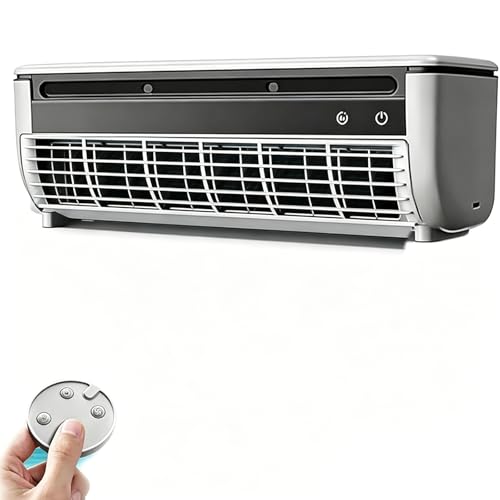
Mini Split Air Conditioner, Wall Mounted Ductless AC Unit, Portable Air Cooler No Window, Remote Control, 3 Quiet Speeds, Perfect for Bedroom, RV, Office, Small Spaces (White)
Check price on Amazon
UDXFYS Climafy Portable Ductless Air Conditioner, Wall Mounted Split Max Air Conditioner, Mini Split Ac/Heating System Super Quiet Fast Cooling/Heating for Bedroom Living Room A 2PCS
Check price on Amazon
Small Mini Split Air-Conditioner, 2026 Ductless AC Unit,Wall Mounted No Window AC with Remote Control,3 Speed Portable Compact Cooling System for Kitchen Bedroom Small Space Home Office (Grey)
Check price on Amazon
COSTWAY 12000BTU Mini Split Air Conditioner& Heater | 20 SEER2 115V Wall-Mounted Ductless AC Cools up to 750 Sq. Ft, Energy Efficient Inverter AC with Heat Pump
Check price on Amazon
ROVSUN 9000 BTU Wifi Enabled Mini Split Air Conditioner & Heater with Inverter, 20 SEER2 Energy Saving 115V Ductless Split AC Unit with Pre-Charged Condenser, Heat Pump & Installation Kit
Check price on AmazonInstallation: What the Process Actually Involves
Installing a mini split is not a weekend DIY project for most homeowners. The process involves mounting the indoor and outdoor units, running refrigerant lines through a wall, vacuuming the line set, charging the system if necessary, and making electrical connections. Refrigerant handling requires certification in most jurisdictions.
Installation checklist
- Choose a location for the outdoor unit with adequate clearance and ventilation.
- Confirm the indoor unit placement allows the line set to reach without sharp bends.
- Verify the electrical panel has capacity for the system.
- Check local permit requirements before drilling walls.
- Hire an EPA-certified technician for refrigerant work.
- Confirm the warranty terms — many manufacturers require professional installation to maintain coverage.
If you need a cooling solution that does not require professional installation or wall modification, a mini split is the wrong tool. In those scenarios, a portable air conditioner on wheels or a portable air conditioner without window access may be the better fit, depending on the room.
Where Mini Splits Make the Most Sense
- Home additions and converted garages: Extending ductwork is often impractical. A mini split cools the new space independently.
- Older homes without ducts: A mini split brings modern cooling to a home where central AC would require extensive renovation.
- Sunrooms: Heat gain is high and ductwork is often not viable. A mini split handles both cooling and heating. See portable air conditioners for commercial use for similar commercial scenarios.
- Multi-story homes with hot zones: A ducted system often struggles with upper-floor overheating. A mini split targets the problem room directly.
- Server rooms and workshops: Cooling needs that a portable unit may not handle efficiently. Compare with commercial-grade portable cooling if the space is temporary.
For homes needing coordinated multi-room comfort, see multi-zone ductless heating and cooling systems before committing to a single-zone setup.
Frequently Asked Questions
Is a portable ductless mini split actually portable?
The indoor air handler of a mini split is easy to reposition and can often be moved between rooms, but the outdoor condenser unit is permanently mounted. Products marketed as fully portable mini splits typically refer to the indoor head's flexibility, not to a unit you can roll between homes like a standard portable AC.
How does a ductless mini split differ from a portable AC?
A portable AC is a single freestanding unit that exhausts through a window hose. A mini split separates the system into an outdoor condenser and one or more indoor air handlers connected by refrigerant lines. Mini splits are quieter, more efficient, and cool more evenly, but require professional installation and a permanent outdoor unit.
Can I install a ductless mini split myself?
Ductless mini splits involve refrigerant handling, vacuuming the line set, and electrical connections. In most regions, refrigerant work requires an EPA-certified technician and electrical work may require a licensed electrician and a permit. Some DIY-friendly models exist, but the majority of installations are professional.
How many rooms can one mini split cool?
A single-zone mini split cools one room. A multi-zone system connects one outdoor condenser to two to five indoor heads, letting you cool multiple rooms independently. If you need three or more zones, review multi-zone mini split options rather than trying to serve multiple rooms from a single indoor unit.
Do mini splits provide heating as well as cooling?
Most modern mini splits are heat pumps that provide both cooling and heating. They are especially efficient in mild to moderate climates. Check the HSPF rating for heating efficiency and the SEER rating for cooling efficiency when comparing systems.
Compare ductless mini split systems
The recommended systems above are grouped by capability so you can match a single-zone or multi-zone system to your room count, climate, and installation constraints.
Explore Options