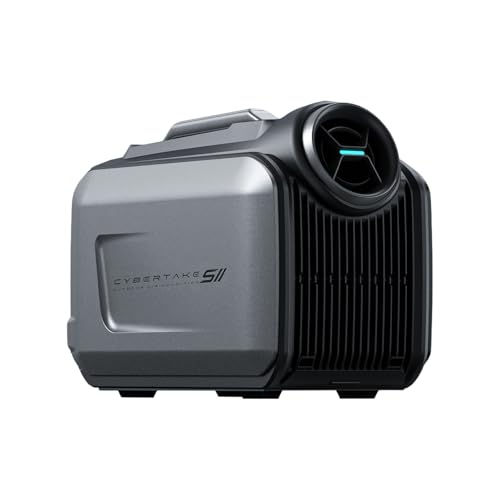
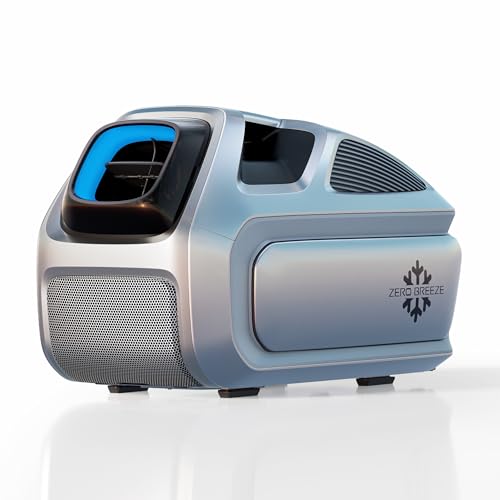
Portable Air Conditioner with Solar Panel
Understand how solar-powered portable cooling works, what to plan before you buy, and how to set up reliable off-grid comfort for camping, RVs, and remote spaces.
START READINGQuick answer: A portable air conditioner with solar panel is not usually a single plug-and-play product. In most setups, solar panels charge a battery bank, and the battery powers the AC through an inverter or DC converter. Matching panel output, battery capacity, and AC power draw is the key to making the system work reliably.
How Solar-Powered Portable Cooling Actually Works
The phrase "solar portable air conditioner" covers several very different setups. Before you shop, it helps to understand the three common configurations so you can match the product to your real use case.
- Direct solar panel setup: Panels feed a charge controller that charges a battery, and the battery powers the AC through an inverter. This is the most common off-grid arrangement and offers reliable cooling as long as the battery is sized correctly.
- Solar generator bundle: A portable power station with built-in solar input powers the AC. These bundles are easy to set up and are popular for camping and RV use.
- Solar-assisted unit: Some portable ACs include a small solar panel or DC input for supplemental charging. These are usually low-output units intended for spot cooling rather than whole-room comfort.
For a broader look at off-grid cooling, review our guide to off-grid cooling and the related off-grid solar AC options. If you need a unit that runs entirely without a wall outlet, our breakdown of a portable air conditioner without electricity explains the trade-offs.
Solar vs Standard Portable AC: What Changes
Solar-powered cooling changes the way you plan capacity, runtime, and placement. The table below compares the main approaches.
| Setup | Power Source | Best For | Key Consideration |
|---|---|---|---|
| Standard vented portable AC | Wall outlet (AC power) | Home rooms, apartments, offices | Requires a window or wall exhaust path |
| Solar generator + portable AC | Panels charge a power station | Camping, RVs, remote cabins | Battery capacity limits runtime |
| Panel + battery + inverter | Custom solar array | Off-grid cabins, tiny homes | Requires careful system sizing |
| Solar-assisted low-output unit | Small panel or DC input | Spot cooling, tents, small spaces | Modest cooling output |
Who Should Consider a Solar Portable AC
Solar-powered portable cooling makes sense in specific scenarios. You are likely a good candidate if your situation matches one or more of the following:
- You camp, travel in an RV, or spend time in a cabin without reliable grid power. See our guide to a portable air conditioning unit for camping.
- You want to reduce reliance on grid electricity during peak hours or outages.
- You need cooling in a remote workspace, shed, or off-grid structure.
- You already own a solar generator or battery bank and want to add cooling capacity.
- You are building a long-term off-grid setup and want a scalable cooling plan.
If your goal is whole-room cooling in a standard home, a conventional portable air conditioner plugged into the wall is usually more practical. Solar setups shine in off-grid and mobile contexts.
How to Choose the Right Solar Portable Cooling Setup
Shopping for solar-powered cooling is really a system-planning exercise. Work through these steps in order.
1. Calculate the AC's Power Draw
Start with the unit's rated wattage, then multiply by your expected daily runtime to estimate daily energy use. A small efficient unit draws far less than a full-size compressor model. If the AC runs on AC power, you will also need to account for inverter efficiency losses.
2. Size the Solar Array
Panel output must cover your daily energy use plus charging losses. Real-world panel output is lower than the rated figure due to shading, angle, and weather. Plan for more panel capacity than the theoretical minimum, especially if you need reliable cooling on cloudy days. Our guide to off-grid solar AC walks through the sizing logic in more detail.
3. Size the Battery Bank
The battery determines how long the AC can run after sunset. Match battery capacity to your nightly runtime and depth-of-discharge limits. A portable air conditioner that uses batteries is a good reference point for understanding battery-powered cooling limits.
4. Choose the Right AC Type
Compressor-based portable ACs cool effectively but draw significant power. Evaporative and thermoelectric units draw less but produce less cooling. For tents and small spaces, a portable air conditioner without a window vent may be easier to deploy. For larger off-grid spaces, consider a portable ductless mini-split air conditioner paired with a robust solar system.
5. Plan Exhaust and Airflow
Most compressor-based portable ACs still need an exhaust path. If your space has limited window access, review options like a portable air conditioner window kit for a crank window or a portable air conditioner sliding window kit. For rooms with no window at all, see our guide to a portable air conditioner for a room with no window.
6. Decide on Smart Controls
Remote monitoring helps you manage battery use and schedule cooling around peak sun. A portable air conditioner with Wi-Fi control lets you adjust settings without being on site.
Tier Guide: Matching Features to Your Needs
Solar portable cooling products fall into broad market tiers. Use this framework to set expectations rather than relying on a single specification.
- Entry-level tier: Small solar-assisted units and basic power stations. Best for spot cooling in tents or small spaces with modest expectations.
- Mid-range tier: Efficient portable AC paired with a mid-capacity solar generator. A solid choice for RV and camper use.
- High-end tier: Larger battery bank, higher-output panels, and a more efficient AC. Suited to regular off-grid use in a cabin or tiny home.
- Top-tier / professional-grade: Scalable solar array with a dedicated inverter and a high-efficiency AC. A worthwhile investment for long-term off-grid living.
For a broader view of compact cooling options, browse our full section on portable AC units.
Common Mistakes to Avoid
- Underestimating power draw: Compressor ACs draw far more than small electronics. Size the solar and battery system around real-world consumption.
- Skipping the battery: Panels alone rarely power an AC directly. A battery bank is essential for stable operation.
- Ignoring inverter losses: Converting DC to AC loses energy. Factor this into your sizing calculations.
- Forgetting exhaust needs: Many portable ACs still need a vent path. Confirm before you buy.
- Placing panels in shade: Partial shading can sharply reduce output. Plan panel placement carefully.
- Overlooking maintenance: Filters, coils, and water systems need regular cleaning to maintain efficiency.
Frequently Asked Questions
Can a portable air conditioner run directly from a solar panel?
Most portable ACs cannot run directly from a solar panel because they draw alternating current or require a stable DC voltage. A typical solar setup uses panels to charge a battery bank, then an inverter or DC converter powers the AC. Matching panel wattage, battery capacity, and AC draw is essential.
What size solar panel do I need for a portable air conditioner?
Panel size depends on the AC's power draw and daily runtime. A small efficient unit may need several hundred watts of panel capacity, while larger units need substantially more. Use the AC's rated watts and your expected hours of use to estimate panel and battery requirements.
Is solar portable cooling practical for camping?
Yes, with realistic expectations. Solar-powered portable cooling works best for small tents, camper vans, and RVs when paired with a battery bank and efficient AC. Expect modest cooling output and plan panel placement carefully to maximize sun exposure.
Do I still need to vent a solar-powered portable AC?
It depends on the unit. Compressor-based portable ACs generally need an exhaust path even when powered by solar. Evaporative and thermoelectric units may not require venting. Confirm the exhaust requirements before you buy. See our guide to a portable AC unit that doesn't require venting for alternatives.
Can I use a solar portable AC indoors?
Yes, as long as you manage exhaust and airflow. Indoor use is common in off-grid cabins and RVs. If your room lacks a window, review options for a portable air conditioner without window access.
Ready to Explore Solar-Powered Cooling Options?
Review our curated selection of portable air conditioners with solar panel compatibility and compare features side by side.
VIEW PRODUCTS