Personal Air Conditioner Guide
Stay cool wherever you are. Discover the best portable, wearable, and mini air conditioners for your desk, bedroom, or outdoor adventures. Learn how to choose the right personal cooling device for your lifestyle.
LEARN MOREWhat is a Personal Air Conditioner? Unlike traditional central or window AC units, personal air conditioners are compact, lightweight, and designed to cool individual spaces or even the person directly. They are perfect for offices, small apartments, dorm rooms, or outdoor use. This guide covers everything from portable cooling devices to wearable air conditioners.
Types of Personal Air Conditioners
Portable AC Units
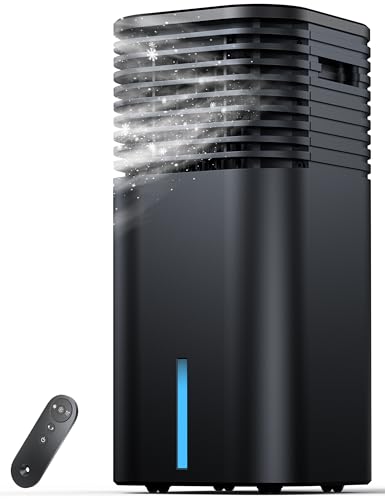
Freestanding units that can be moved from room to room. They typically vent through a window and are ideal for cooling spaces up to 300 sq ft. Modern models are quieter and more energy-efficient than ever.
- Easy to install and relocate
- Built-in dehumidifier and fan modes
- Great for renters and temporary cooling
Wearable & Mini Coolers
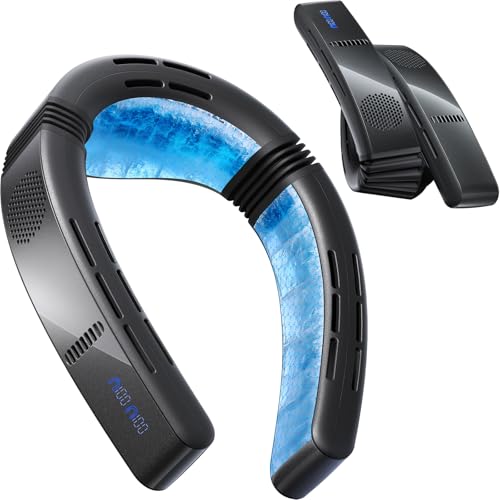
Neck fans, personal evaporative coolers, and small desk units that cool just you. These are battery-powered or USB-charged, perfect for outdoor events, hiking, or working in a hot office.
- Ultra-compact and lightweight
- Low power consumption
- Ideal for personal spot cooling
How to Choose the Best Personal AC
1. Cooling Capacity (BTU / CFM)
For portable units, look for 8,000–12,000 BTU for small rooms. For wearable/mini coolers, check CFM (cubic feet per minute) – higher CFM means stronger airflow. What size AC do I need? helps you calculate the right capacity.
2. Noise Level
Personal ACs should be quiet, especially for office or bedroom use. Look for models under 50 dB – many quietest air conditioners are designed with sleep modes.
3. Power Source & Portability
Battery-powered wearable devices offer freedom of movement, while plug-in portable units provide stronger cooling. Consider your usage scenario: indoors, outdoors, or both.
4. Energy Efficiency
For portable units, check the EER (Energy Efficiency Ratio). Higher EER means lower electricity bills. HVAC energy efficiency tips can help you save more.
5. Additional Features
Remote control, Wi-Fi connectivity, timer, and sleep mode add convenience. Some models also include air purifiers – perfect if you have allergies.
Pros and Cons of Personal Air Conditioners
Advantages
- Cost-effective compared to central AC
- No permanent installation required
- Portable – use in any room
- Lower energy consumption
- Ideal for small spaces and personal use
Disadvantages
- ↳ Limited cooling range (not for large areas)
- ↳ May require window venting (portable units)
- ↳ Wearable coolers are less powerful
- ↳ Water tank refills for evaporative models
Personal AC vs. Other Cooling Systems
Central AC: Best for whole-home cooling but expensive to install and operate. Personal AC is a budget-friendly alternative for renters or small spaces.
Window AC: More powerful than portable units but requires a window and permanent installation. Personal portable units are easier to move between rooms.
Ductless Mini-Split: Great for homes without ducts, but installation is more complex. Personal ACs are plug-and-play.
If you're unsure which type suits your home, read our ductless vs. ducted AC comparison.
Maintenance Tips for Personal ACs
- Clean filters regularly – dust reduces efficiency and air quality.
- Check water levels (for evaporative coolers) to avoid dry running.
- Inspect vent hoses (for portable units) for leaks or blockages.
- Store properly during off-seasons to prevent mold and damage.
For more detailed guidance, visit our AC maintenance guide.
Frequently Asked Questions
Can a personal air conditioner cool a whole room?
Portable units (8,000–14,000 BTU) can cool small to medium rooms (up to 400 sq ft). Wearable/mini coolers are designed for personal spot cooling only.
Are personal air conditioners energy-efficient?
Yes, especially portable units with inverter technology. They consume much less energy than central AC. Check the EER rating for efficiency.
Do I need a window for a portable AC?
Most portable units require a window vent to exhaust hot air. However, some models use evaporative cooling and do not need a window – ideal for indoor use without external vents.
How loud are personal ACs?
Noise levels vary. Wearable coolers are very quiet (under 40 dB), while portable units can be 50–60 dB. Look for models with "sleep mode" for quieter operation.
For more answers, check our FAQ page.
Ready to Stay Cool?
Browse our top recommendations for personal air conditioners. Each product is carefully selected based on performance, noise level, and value.
View Products ↓