Quietest Air Conditioner: Complete Guide to Silent Cooling
Understand decibel ratings, sound-reduction features, and quiet AC types so you can choose a cooling system that keeps you comfortable without keeping you awake.
START LEARNINGWhy research before you buy? Noise is one of the most overlooked comfort factors in air conditioning. A unit that cools effectively but hums, rattles, or roars can disrupt sleep, work, and relaxation. Understanding decibel ratings and quiet design features helps you choose a system you will be happy to live with for years.
What Makes an Air Conditioner Quiet?
The quietest air conditioners combine thoughtful mechanical design with sound-dampening materials. Noise in an AC unit comes from several sources: the compressor, the fan, airflow through ducts and vents, and vibration transmitted through the cabinet or mounting.
Quiet models address each source. Inverter compressors run at variable speeds, avoiding the hard start-and-stop cycling that produces the loudest noise spikes. Fan designs with larger blades and lower RPM move air with less turbulence. Insulated cabinets, rubber vibration mounts, and acoustically tuned air paths further reduce sound. The result is a unit that cools steadily and quietly rather than cycling on and off with a noticeable roar.
Different AC types also have different noise profiles. A central air conditioning system moves the compressor outdoors, which helps indoors but introduces noise near the outdoor unit. Window air conditioners and portable air conditioners place the compressor inside the room, making quiet design more important. Ductless mini-splits are often among the quietest options because the compressor sits outside and the indoor head uses a slow, quiet fan.
Understanding Decibel Ratings
Sound is measured in decibels (dB). The scale is logarithmic, so every 10 dB increase roughly doubles perceived loudness. A quiet library is around 40 dB, normal conversation around 60 dB, and a noisy restaurant around 70 dB. For reference, an air conditioner rated at 45 dB is significantly quieter than one rated at 55 dB, even though the numbers look close.
Manufacturers sometimes quote the lowest operating sound level, which is typically the quietest mode at the lowest fan speed. Real-world noise depends on fan speed, compressor operation, and installation. Look for sound ratings at multiple speeds when available, and read reviews from owners who use the unit in similar spaces.
Quiet AC Types Compared
Different cooling systems have different noise profiles. Understanding these differences helps you focus your search on the type that best fits your space and your tolerance for sound.
Ductless Mini-Split Systems
Ductless mini-splits are frequently among the quietest options for whole-room or multi-room cooling. The compressor sits outdoors, and the indoor unit uses a slow, large-diameter fan. Premium and high-end tier models often quote indoor sound levels in the low 20s to low 30s dB range at their quietest settings. They are ideal for bedrooms, home offices, and living spaces where noise matters. Our guide on pros and cons of ductless air conditioning covers the trade-offs in more detail.
Central Air Conditioning
Central systems move the compressor and condenser fan outdoors, so indoor noise is mostly limited to airflow through vents. Well-designed ductwork and a variable-speed air handler can make a central system very quiet indoors, though outdoor unit noise remains a consideration for homes with close neighbors. For context on system-level planning, see our guide on residential air conditioning.
Window Air Conditioners
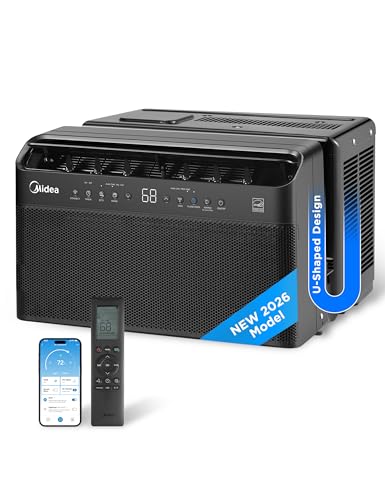
Window AC units place the compressor in the window frame, which means some noise enters the room. However, quiet window models with inverter compressors and improved fan designs have narrowed the gap. If a window unit is your only option, look for models marketed specifically for quiet operation and check decibel ratings at low fan speeds. Our guide on the quietest window AC for a small bedroom is a good starting point.
Portable Air Conditioners
Portable AC units place both the compressor and fan inside the room, so noise control is more challenging. Premium models with inverter compressors, insulated cabinets, and quiet fan modes deliver noticeably better results than entry-level units. If portability and quiet operation are both priorities, our guide on the quietest and most efficient portable air conditioner is worth reviewing.
Quiet AC Tiers and What to Expect
Quiet air conditioners span several tiers. Rather than focusing on numbers, compare tiers by the design features and comfort outcomes they deliver.
| Quiet AC Tier | Typical Sound Profile | Key Design Features | Best For |
|---|---|---|---|
| Entry-level | Noticeable, especially at high fan speeds | Standard compressor, basic fan design | Living spaces where some noise is acceptable |
| Mid-range | Moderate, smoother operation | Inverter compressor, improved fan blades | Living rooms and secondary bedrooms |
| Premium | Low, comfortable for extended use | Insulated cabinet, low-RPM fan, night mode | Primary bedrooms and home offices |
| High-end tier | Very low at quiet settings | Advanced acoustics, vibration isolation | Sleep-sensitive users and media rooms |
| Top-tier / flagship | Among the quietest available | Premium inverter, tuned airflow, smart sleep profiles | Bedrooms, nurseries, and quiet-focused homes |
For specific capacity-based comparisons, see our guides on the quietest 12,000 BTU window air conditioner and the quietest small-room portable air conditioner. If you need heating as well, our guide on the quietest window AC with heat covers combined units.
Sound-Reduction Features That Matter
When comparing quiet air conditioners, focus on design features rather than marketing claims. These are the features that most reliably reduce noise in real-world use.
Inverter Compressors
Inverter compressors run at variable speeds instead of cycling fully on and off. This eliminates the loud startup surge that characterizes conventional compressors and keeps operation steadier and quieter. Inverter technology is one of the most significant factors in quiet operation across all AC types.
Low-RPM Fan Designs
Larger fan blades spinning at lower speeds move the same amount of air with less noise. Quiet models often use wide, slow-turning fans and carefully shaped air paths to reduce turbulence and whooshing sounds.
Acoustic Insulation and Vibration Isolation
Premium models use sound-absorbing insulation inside the cabinet and rubber mounts to isolate the compressor from the chassis. These design choices reduce both airborne noise and the low-frequency vibration that can travel through walls and floors.
Night and Sleep Modes
Many quiet models include night modes that reduce fan speed and adjust temperature gradually through the night. These modes prioritize quiet operation and often produce the lowest sound levels the unit can achieve.
Smart Scheduling and Remote Control
Smart thermostats and app controls let you pre-cool a room before you enter, then reduce operation when you leave. This reduces the need to run the unit at higher, louder settings. Our guide on programmable thermostats for heating and cooling covers scheduling strategies that pair well with quiet AC operation.
Choosing the Quietest AC for Each Room
The right quiet AC depends on the room, the installation constraints, and your noise sensitivity. These room-specific recommendations help you narrow your search.
Bedrooms
Bedrooms demand the lowest possible noise, especially for light sleepers. Ductless mini-splits in the premium and high-end tiers are often the best choice. If a window unit is the only practical option, choose a quiet window model with inverter technology and use night mode. Our guide on the quietest window air conditioner for a small bedroom offers targeted recommendations.
Home Offices and Study Rooms
Background noise can interfere with calls and concentration. A quiet mini-split or a premium portable unit with a low-speed fan mode works well. If you are considering a portable unit, our guide on the quietest small-room portable air conditioner focuses on compact, quiet options.
Living Rooms and Open Spaces
Larger spaces need more cooling capacity, which can mean more noise. Mid-range to premium units with inverter compressors balance cooling power and quiet operation. For whole-home systems, a well-designed central system with a variable-speed air handler is often the quietest long-term choice.
Nurseries and Children's Rooms
Nurseries benefit from very quiet operation and gentle airflow. Top-tier mini-splits and premium window units with night modes are strong candidates. Smart scheduling helps maintain comfortable temperatures without manual adjustments during naps and overnight sleep.
Installation and Placement for Quieter Operation
Even the quietest air conditioner can become noisy if installed poorly or placed in an unsuitable location. Proper installation and thoughtful placement matter as much as the unit's design.
Level Mounting and Vibration Control
Window units and portable units should sit level and stable. Vibration transmitted through an uneven mount or a loose window frame can create rattles and buzzing that undermine the unit's quiet design. Rubber pads or vibration-dampening mounts help.
Clear Airflow Paths
Blocked intake or exhaust airflow increases turbulence and noise. Keep furniture, curtains, and other obstructions away from the unit's vents. For portable units, keep the exhaust hose as short and straight as possible.
Outdoor Unit Placement
For central systems and mini-splits, place the outdoor unit away from bedroom windows and shared property lines where possible. Solid fencing or landscaping can help diffuse sound, though the unit still needs adequate airflow to operate efficiently. Our guide on shading an AC unit covers placement considerations that also affect noise.
Ductwork and Vents
For central systems, duct design affects noise as much as the equipment. Oversized ducts, smooth transitions, and properly sized return air paths reduce whooshing and whistling. If duct noise is a concern, see our guide on residential air duct cleaning and consider having a technician evaluate duct design.
Keeping Your Quiet AC Quiet
Maintenance plays a larger role in noise than many owners realize. A well-maintained unit stays quieter over time, while neglected components become progressively louder.
- Clean or replace filters regularly. Restricted airflow increases fan noise and can cause the compressor to work harder. See our guide on when to replace your AC filter.
- Clean the condenser and evaporator coils. Dirty coils reduce efficiency and can increase operating noise. Our guides on cleaning condenser coils and cleaning evaporator coils cover the process.
- Check for loose panels and mounts. Loose screws and worn mounts cause rattling that can make a quiet unit sound loud. Tighten and replace as needed.
- Schedule annual professional maintenance. A technician can check refrigerant charge, lubricate moving parts, and identify issues before they become noisy failures. Our seasonal AC checklist and preventive maintenance guide help you plan.
- Address unusual sounds promptly. Grinding, squealing, or rattling often indicates a developing problem. Our guide on AC making noise covers common causes and fixes.
For broader maintenance context, see our guidance on servicing air conditioning units.
Ready to Compare Quiet AC Options?
Browse our curated selection of quiet air conditioners and find the right model for your bedroom, office, or living space.
VIEW RECOMMENDED MODELSFrequently Asked Questions
What is a good decibel rating for an air conditioner?
For bedrooms and quiet spaces, look for indoor sound ratings in the low 30s dB or lower at the unit's quiet setting. Living spaces can tolerate ratings in the 40s dB. Remember that decibels are logarithmic, so a unit rated a few dB lower can sound noticeably quieter.
Are ductless mini-splits the quietest type of air conditioner?
Mini-splits are often the quietest option because the compressor sits outdoors and the indoor unit uses a slow, quiet fan. Premium and high-end tier mini-splits achieve very low indoor sound levels. Central systems can also be very quiet indoors with good ductwork and a variable-speed air handler.
Can I make my existing air conditioner quieter?
Yes, in many cases. Regular maintenance, cleaning filters and coils, tightening loose panels, and adding vibration-dampening mounts can reduce noise. For central systems, duct design improvements and a variable-speed air handler can help. If your unit is old or poorly designed, replacing it with a quieter model may be the most effective path.
Do inverter air conditioners run quieter than standard units?
Generally yes. Inverter compressors vary speed instead of cycling on and off, which eliminates the loud startup surge of conventional compressors. They also tend to run at lower speeds for longer periods, producing steadier, softer operation.
What is the quietest window air conditioner for a bedroom?
The quietest window units use inverter compressors, low-RPM fans, and sound insulation. Look for models specifically marketed for quiet operation and check decibel ratings at low fan speeds. Our guide on the quietest window AC for a small bedroom highlights strong options.
Is a portable air conditioner quieter than a window unit?
It depends on the model. Portable units place both the compressor and fan inside the room, so quiet design is more challenging. Premium portable units with inverter compressors can be very quiet, while entry-level units may be louder than a typical window AC. Compare sound ratings and reviews for specific models.
Does a quieter air conditioner cost more to operate?
Not necessarily. Quiet design often overlaps with efficiency improvements, such as inverter compressors and improved airflow. A well-designed quiet unit can be as efficient as or more efficient than a noisier alternative. Focus on efficiency ratings alongside sound ratings when comparing models.
How can I reduce noise from my central AC's outdoor unit?
Place the outdoor unit away from bedroom windows and shared property lines, ensure it is level and free of debris, and consider sound-diffusing fencing or landscaping while maintaining proper airflow. Regular maintenance also keeps the outdoor unit running quietly. If noise persists, a technician can check for worn components or mounting issues.
Final Thoughts
The quietest air conditioner is not simply the one with the lowest advertised decibel rating. It is the unit that matches your room, your installation constraints, and your tolerance for sound. Ductless mini-splits and well-designed central systems often lead in quiet operation, while premium window and portable units have narrowed the gap significantly.
Focus on inverter compressors, thoughtful fan design, and sound insulation when comparing models. Pair a quiet unit with good installation and regular maintenance, and you will enjoy comfortable cooling without the noise that makes you dread turning it on. Explore related guides on the quietest window AC for small bedrooms, the quietest and most efficient portable AC, and the quietest small-room window air conditioner to narrow your options further.