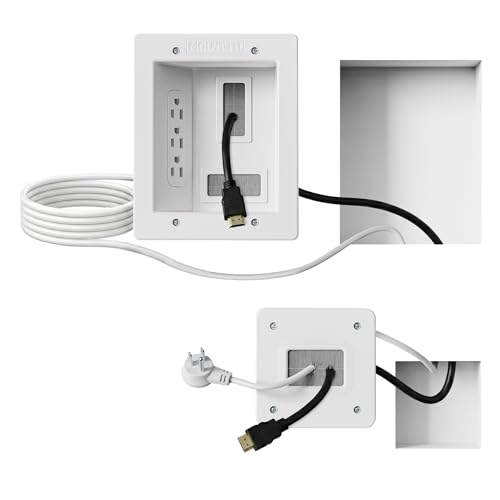
Recessed Electrical Outlet: Complete Guide
Everything you need to know about recessed electrical outlets — types, installation requirements, safety codes, and how to choose the right model for your home, office, or entertainment setup.
START LEARNINGWhy recessed outlets matter: A recessed electrical outlet sits deeper into the wall, allowing plugs and cords to rest closer to the surface. This creates a cleaner look, improves clearance behind furniture and wall-mounted televisions, and reduces the risk of cords being bent or damaged. Understanding the options helps you make a confident, informed decision before you buy.
What Is a Recessed Electrical Outlet?
A recessed electrical outlet is a receptacle designed so that the plug sits closer to — or slightly behind — the wall surface. Unlike a standard outlet where the plug protrudes outward by an inch or more, a recessed outlet creates a shallow cavity around the receptacle. The result is a neater installation, especially for devices that sit close to the wall.
Recessed outlets are commonly used behind wall-mounted televisions, behind entertainment centers, in kitchen islands, and in any location where a standard plug would otherwise push furniture away from the wall or create an awkward gap. They are available in several configurations, including single-gang and multi-gang versions, and can be combined with low-voltage pass-through openings for HDMI, coaxial, or data cables.
From a construction standpoint, a recessed outlet uses a deeper electrical box and a faceplate that is set back from the finished wall plane. The receptacle itself is standard, but the mounting depth is what distinguishes it. This design is sometimes called a "recessed receptacle" or "deep-set outlet," and it can be installed in new construction or retrofitted into existing walls.
Types of Recessed Electrical Outlets
Recessed outlets are not a single product category. They vary by depth, gang configuration, integrated features, and intended application. Understanding the main types helps you match the product to the installation location.
| Type | Best For | Key Characteristics |
|---|---|---|
| Single-Gang Recessed Outlet | General-purpose residential rooms, behind furniture | Standard one-receptacle footprint; entry-level and mid-range options available |
| Multi-Gang Recessed Outlet | Entertainment centers, home offices, kitchen islands | Two or more receptacles in one assembly; mid-tier and premium configurations |
| Recessed Outlet with Low-Voltage Pass-Through | Wall-mounted TVs, media walls | Combines power receptacles with openings for HDMI, coax, or data cables |
| Deep-Cavity Recessed Outlet | Thick furniture, angled plugs, bulky adapters | Extra depth to accommodate large plugs and transformers; premium tier |
| Weather-Resistant Recessed Outlet | Outdoor kitchens, covered patios, garages | Sealed faceplate and corrosion-resistant components; professional-grade |
| Recessed Floor Outlet | Open-plan living rooms, conference spaces | Flush with floor surface; often includes covers and gaskets |
Installation Requirements and Process
Installing a recessed electrical outlet involves working with the home's electrical system, so safety and code compliance are essential. The exact process depends on whether you are replacing an existing outlet or installing a new one in a finished wall.
Before You Begin
- Turn off power at the circuit breaker and verify with a voltage tester.
- Check local electrical codes for permit requirements and box fill limits.
- Confirm the wall cavity has enough depth for the recessed box.
- Use a receptacle and box rated for the circuit's amperage and wire gauge.
Typical Installation Steps
- Mark the outlet location and cut the drywall opening to match the box size.
- Run or access the circuit wiring, ensuring the circuit is de-energized.
- Mount the recessed electrical box securely to a stud or use an approved retrofit bracket.
- Connect the wires to the receptacle: hot, neutral, and ground, following manufacturer instructions.
- Secure the receptacle into the box and attach the recessed faceplate.
- Restore power and test the outlet with a receptacle tester.
New installations that require running cable through walls are best handled by a licensed electrician. Replacing an existing outlet with a recessed model in the same location may be a simpler project, but local rules vary. If you are unsure, consult a qualified professional.
Safety Codes and Compliance
Electrical codes exist to protect people and property. Recessed outlets must meet the same core requirements as standard receptacles, plus additional considerations related to box depth and installation location.
- Grounding: Receptacles must be properly grounded; never bypass the ground connection.
- Box fill: The electrical box must have enough volume for the wires and devices installed.
- GFCI protection: Outlets in bathrooms, kitchens, garages, and outdoors generally require GFCI protection.
- AFCI protection: Many jurisdictions require arc-fault protection for branch circuits in living areas.
- Wet/damp locations: Outdoor and damp-area recessed outlets need weather-resistant covers and rated components.
- Permits and inspection: New circuits and many new outlet installations require a permit and inspection.
Always follow the manufacturer's instructions and the adopted electrical code in your area. When in doubt, hire a licensed electrician. Proper installation protects your home and preserves the safety of everyone who uses the outlet.
How to Choose the Right Recessed Outlet
Choosing a recessed outlet is primarily about matching the product to the installation location and the devices that will be plugged in. Use the following criteria to narrow your options.
- Application: Behind a TV, behind furniture, in a kitchen island, or outdoors — each location has different needs.
- Depth: Measure the plugs and adapters you plan to use. Deep-cavity models accommodate bulky transformers.
- Gang count: Count how many devices need power at the location; multi-gang assemblies reduce clutter.
- Low-voltage integration: If you need HDMI or data cables, choose a model with pass-through openings.
- Weather resistance: Outdoor installations require sealed, corrosion-resistant components.
- Tier: Entry-level models suit light residential use; mid-range and premium tiers offer better materials and smoother mechanisms; commercial-grade units are built for heavy-duty environments.
If you are also planning upgrades to your HVAC controls, the same "match the tier to the use case" principle applies to devices such as a programmable thermostat or a pro AC thermostat. For projects involving window units, reviewing proper installation of window AC and professional window air conditioner installation helps ensure the electrical and mechanical details are handled correctly.
Related Electrical and Home Comfort Considerations
Recessed outlets are often part of a broader home improvement project. If the outlet will serve a heating or cooling appliance, it helps to understand the equipment's electrical needs and the surrounding installation requirements. For example, projects involving PTAC air conditioners or PTAC units with a heat pump may require dedicated circuits and appropriately rated receptacles.
Homeowners comparing equipment options often review resources such as air conditioner pricing information and recommended SEER ratings before finalizing a purchase. These considerations are separate from the outlet itself but are part of the same decision-making process for a comfortable, well-equipped home.
Frequently Asked Questions
What is a recessed electrical outlet?
A recessed electrical outlet is a receptacle designed to sit flush with or slightly behind the wall surface. This allows plugs and cords to rest closer to the wall, creating a cleaner appearance and better clearance behind furniture or wall-mounted devices.
Do I need an electrician to install a recessed outlet?
In most jurisdictions, installing a new recessed outlet requires a licensed electrician and a permit because it involves working with wiring inside the wall. Replacing an existing outlet with a recessed model in the same location may be simpler, but local codes vary. Always confirm requirements before starting.
What is the difference between a recessed outlet and a standard outlet?
A standard outlet sits flush with the wall plate, and plugs protrude outward. A recessed outlet sets the receptacle deeper into the wall cavity so plugs and cords sit closer to the wall. The difference is most noticeable behind televisions, appliances, and furniture placed close to the wall.
Are recessed outlets safe?
Yes, recessed outlets are safe when installed correctly according to local electrical codes and manufacturer instructions. They must be properly grounded, use appropriate boxes, and be installed by a qualified person when new wiring is involved.
Can a recessed outlet be installed outdoors?
Yes, but it must be a weather-resistant model with a sealed faceplate and components rated for wet or damp locations. Outdoor installations typically require GFCI protection and may require a permit and inspection.
What tier should I choose for a recessed outlet?
For light residential use behind furniture, an entry-level or mid-range model is usually sufficient. For entertainment walls with multiple devices or for commercial environments, a premium or commercial-grade unit offers more durable materials and smoother operation over time.
Ready to Compare Recessed Outlet Options?
Explore recommended models below and check availability for your project. Review the specifications carefully, confirm the installation requirements, and choose the tier that matches your needs.
EXPLORE OPTIONS