
Recharging Freon in Central Air Conditioner: What Homeowners Should Know
Understand when a central air conditioner actually needs refrigerant, how the recharge process works, which refrigerant types are used, and how to recognize the signs of a leak before calling a technician.
What Freon Recharging Really Means
The term "freon" is widely used as a catch-all name for the refrigerant inside a central air conditioner. Technically, Freon is a brand name tied to older refrigerants, but the word has stuck in everyday language. Regardless of the name, the refrigerant is the fluid that absorbs heat indoors and releases it outdoors, and it is essential to the cooling cycle.
A central air conditioner does not burn or consume refrigerant during normal operation. It runs in a closed loop. That means a properly sealed system should hold the same refrigerant charge for its entire service life. When a system is low on refrigerant, the cause is almost always a leak, not natural wear.
Recharging freon in a central air conditioner therefore is not a routine maintenance task. It is a corrective service performed after a leak has been identified, and the recharge restores the correct charge once the leak is fixed. Understanding this distinction is the foundation for making sound decisions about your system.
Key point: If a technician tells you the system simply "needs a top-up," ask where the refrigerant went. A sealed system cannot lose refrigerant without a leak path.
When a Central AC Needs a Recharge
A recharge becomes necessary when the system's refrigerant charge is below the manufacturer's specified level and the cause has been identified. There are a few situations where this happens:
- Confirmed leak: The most common scenario. A technician locates a leak at a joint, coil, or line set, repairs it, then recharges the system to the correct weight or pressure.
- Recent installation errors: If a system was installed without proper vacuum and charge procedures, the refrigerant level may be off. A qualified technician can correct it.
- Component replacement: When a coil, compressor, or line set is replaced, the system must be recharged according to the manufacturer's specification.
- System relocation: Moving a condenser or re-running refrigerant lines requires evacuating and recharging the system.
Routine "topping off" of refrigerant on a healthy system is not a normal maintenance item. If your system needs refrigerant regularly, that pattern points to an unresolved leak. For broader troubleshooting, see our guide on why my AC unit is not cooling.
Signs Your System Is Low on Refrigerant
Low refrigerant produces a recognizable set of symptoms. None of these signs alone confirms a refrigerant problem, but together they are a strong signal to schedule a diagnostic visit.
- Weak cooling: The air from the vents is cool but not cold, or the system struggles to reach the thermostat setpoint.
- Warm air from vents: In more severe cases, the system blows air that feels close to room temperature.
- Ice on the evaporator coil or refrigerant lines: Low pressure causes the coil temperature to drop below freezing, leading to frost buildup.
- Hissing or bubbling sounds: These can indicate refrigerant escaping through a leak point.
- Longer run times and higher energy use: The system works harder to compensate for reduced cooling capacity.
- Frozen outdoor unit: In some cases, ice appears on the outdoor condenser lines.
If you notice these symptoms, our overview of reasons why my air conditioner is not cooling explains how to narrow down the cause before a service call.
Refrigerant Types Used in Central AC
The refrigerant a central air conditioner uses depends on its age and design. Each type has different pressure characteristics, oil compatibility, and regulatory status. Knowing which refrigerant your system uses matters because the type determines how it is serviced.
| Refrigerant | Typical System Age | Status and Notes |
|---|---|---|
| R22 | Older systems, pre-2010 | Phased out in the United States; service relies on reclaimed stock. See R22 freon and R22 phase-out. |
| R410A | Most systems installed since 2010 | Widely used high-pressure refrigerant. Learn more about R410A air conditioners. |
| R32 / R454B | Newer equipment and replacements | Lower global warming potential refrigerants entering the market under updated standards. |
If your system uses R22, service options are more constrained because production and import are restricted. In some cases, replacing the condensing unit is the more practical long-term path. Our guide on R22 replacement condensing units explains the trade-offs.
How the Recharge Process Works
A proper recharge is a multi-step procedure, not a quick top-up. The technician follows a sequence designed to protect the compressor and ensure the system operates at the manufacturer's specified charge.
- Diagnostic evaluation: The technician measures superheat and subcooling, checks pressures, and confirms the system is actually low on charge.
- Leak detection: Electronic leak detectors, UV dye, or pressure testing locate the leak. A recharge without a leak search is incomplete.
- Leak repair: The leak is repaired or the affected component is replaced. This may involve brazing, flare fitting repair, or coil replacement.
- Evacuation: The system is pulled into a deep vacuum to remove moisture and non-condensable gases. Skipping this step contaminates the refrigerant charge.
- Charging: Refrigerant is added by weight or measured by superheat and subcooling until the charge matches the manufacturer's specification.
- Verification: The technician confirms stable pressures, correct temperature split, and proper system operation before finishing.
Each step exists for a reason. A recharge performed without leak detection and evacuation may appear to work briefly, but the underlying problem remains and the compressor is placed at risk.
Why DIY Recharging Is Not Recommended
Retail refrigerant products and online tutorials make DIY recharging look simple. In practice, handling refrigerant in a central air conditioner involves several risks that make professional service the safer and more reliable choice.
Safety and legal note: In the United States, handling refrigerant requires EPA Section 608 certification. Improper charging can damage the compressor, void warranties, and create safety hazards.
- Overcharging risk: Too much refrigerant raises pressures and can damage the compressor. Charging by gauge alone without superheat or subcooling measurements is inaccurate.
- Undercharging risk: Insufficient charge reduces cooling and can cause coil freezing and compressor overheating.
- Missed leaks: A DIY top-up does not address the leak, so the problem returns.
- Moisture contamination: Without proper evacuation, moisture enters the system and forms acids that attack the compressor.
- Refrigerant type mismatch: Using the wrong refrigerant or mixing types can cause serious system damage.
For a broader view of what professional refrigerant service involves, see our guide on recharging freon in an air conditioner and the general overview of recharging an air conditioner.
Leak Repair vs. Recharge-Only
When a system is low on refrigerant, the decision comes down to repairing the leak or simply recharging. Recharge-only is a short-term fix at best. The refrigerant will escape again, and repeated loss places stress on the compressor.
Leak repair is the durable solution. Depending on the location and severity, repair options include:
- Brazing or replacing a leaking joint or line set section
- Repairing or replacing a leaking evaporator or condenser coil
- Replacing Schrader valves or service port fittings
- In some cases, replacing the condensing unit when the leak is in an aging R22 system
If the leak is in an older system using discontinued refrigerant, the repair decision often involves comparing the cost of repair against replacement. Our overview of R22 replacement options can help frame that decision.
Preventing Refrigerant Problems
Because refrigerant loss almost always traces back to a leak, prevention focuses on keeping the system sealed and well maintained. A few habits go a long way.
- Schedule annual maintenance: A technician can check pressures and inspect for early signs of leaks before cooling performance drops.
- Keep the outdoor unit clean: Clear debris and keep the condenser coil free of dirt to reduce strain on the system.
- Replace air filters regularly: Restricted airflow can cause coil freezing, which is sometimes mistaken for a refrigerant problem.
- Watch for vibration and rubbing: Line sets that rub against structures can develop leaks over time.
- Address small issues early: A hissing sound or a small ice patch is easier to fix than a failed compressor.
For more troubleshooting context, our guide on reasons why an air conditioner is not cooling covers the most common causes in plain language.
Frequently Asked Questions
How often does a central air conditioner need freon?
A properly sealed central air conditioner does not consume refrigerant over time. If the system is low on freon, there is a leak that must be found and repaired before recharging. Routine top-ups are not a normal maintenance item.
Can I recharge freon in my central AC myself?
Handling refrigerant requires EPA Section 608 certification in the United States. Improper charging can damage the compressor and is unsafe. Recharging should be performed by a licensed technician who can also locate and repair the leak.
What are the signs that a central AC needs refrigerant?
Common signs include weak cooling, warm air from vents, ice on the evaporator coil, hissing or bubbling sounds, and higher-than-usual energy use. These signs can also point to other issues, so a diagnostic visit is the reliable way to confirm.
Which refrigerant is used in newer central air conditioners?
Most systems installed since 2010 use R410A, while newer equipment is transitioning to R32 and R454B. Older systems may use R22, which is phased out in the United States.
Is recharging freon a permanent fix?
No. A recharge restores the correct charge, but if the leak is not repaired, refrigerant will escape again. Leak repair followed by recharge is the durable solution.
Recommended Central AC Maintenance and Diagnostic Tools
⚠️ AFFILIATE DISCLOSURE: This website contains affiliate links. As an Amazon Associate, we earn from qualifying purchases. If you make a purchase through these links, we may receive a small commission at no additional cost to you. Read our full affiliate policy.

YSTOOL 3 Way AC Manifold Diagnostic Gauge HVAC Refrigerant Charging Set | Recharge Air Conditioner R134a R404a Freon with 3PCS 5FT Hoses R134a Adjustable Quick Couplers Piercing Can Tap Acme Adapter
Check price on Amazon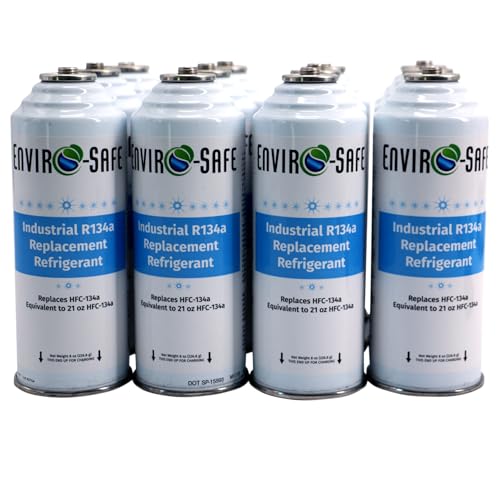
ENVIRO-SAFE R134a Vehicle AC Refrigerant | 12 Cans (8oz) with Piercing Valve for AC Recharging | Automotive, Agriculture and Appliance Refrigerant (Cans Only)
Check price on AmazonDisclaimer
Some of the content on this site uses AI assistance. Information is provided for educational purposes only. We are not responsible for any losses resulting from the use of this information. By using this site, you waive any right to bring legal claims against us arising from your use of the information provided. If you do not agree, please do not use this site. Read the full disclaimer.
Plan Your Next Step With Confidence
If your central air conditioner is showing signs of low refrigerant, the right first step is a professional diagnostic visit. Use the guidance above to ask the right questions and make an informed decision about repair or replacement.
Explore More AC Recharge Guides