Replacement AC Evaporator Coils: Complete Guide
Understand when an evaporator coil needs replacing, how to diagnose the warning signs, and how to choose the right coil tier for your home cooling system.
Explore the GuideWhy this page exists: If your air conditioner is running but not cooling properly, or if a technician has told you the evaporator coil is leaking, you are probably deciding between a coil replacement and a full system replacement. This guide explains the evaporator coil's role, the symptoms of failure, the replacement process, and how to compare coil tiers so you can make a confident, informed decision.
What Is an Evaporator Coil and Why Does It Matter?
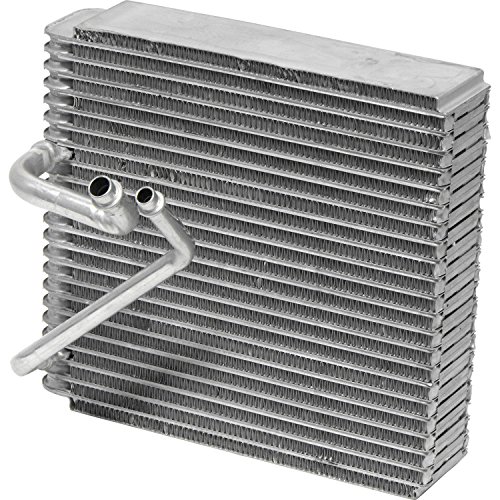
The evaporator coil, sometimes called the indoor coil or cooling coil, is the component inside your air handler or furnace cabinet that absorbs heat and humidity from the air circulating through your home. Refrigerant enters the coil as a cold, low-pressure liquid, evaporates as it absorbs heat, and then travels back to the outdoor condenser to release that heat. Without a healthy evaporator coil, your system cannot remove heat effectively, no matter how well the compressor or condenser performs.
Because the coil operates in a cold, damp environment, it is exposed to condensation, dust, and the constant stress of refrigerant pressure changes. Over time, these conditions can lead to corrosion, pinhole leaks, and physical damage. When the coil can no longer transfer heat efficiently or hold a refrigerant charge, replacement becomes the practical solution. Understanding the coil's role helps you evaluate technician recommendations and avoid unnecessary or premature replacement.
How the Evaporator Coil Fits Into Your System
The evaporator coil is part of the sealed refrigerant circuit, which also includes the compressor, condenser coil, and metering device. The indoor coil is typically matched to the outdoor unit by tonnage and refrigerant type. If you are also evaluating the outdoor side of the system, our guide on replacing condenser coils explains the parallel considerations for the outdoor heat exchanger. For the indoor coil itself, matching the coil's capacity and refrigerant compatibility to the rest of the system is essential for reliable performance.
Symptoms That Point to Evaporator Coil Failure
Evaporator coil problems rarely appear without warning. Most homeowners notice one or more of the following symptoms before a technician confirms the diagnosis. Recognizing these signs early can prevent secondary damage to the compressor and other components.
Reduced Cooling
The system runs continuously but the air from the vents feels only slightly cool. A leaking or fouled coil cannot absorb heat efficiently, so the space never reaches the thermostat setpoint.
Ice on the Indoor Coil
Frost or ice buildup on the coil or refrigerant lines usually indicates low refrigerant charge or restricted airflow, both of which can stem from a failing coil.
Water Leaks Near the Air Handler
A damaged coil or a clogged condensate drain can cause water to pool around the indoor unit, damaging ceilings and flooring if left unaddressed.
Hissing or Bubbling Sounds
Refrigerant escaping through a small crack or pinhole often produces a faint hissing or bubbling sound at the coil or line set.
Musty or Unusual Odors
Moisture trapped in a dirty or corroded coil can encourage microbial growth, producing a musty smell that circulates through the home.
Rising Energy Consumption
A coil that struggles to transfer heat forces the system to run longer, which gradually increases electricity use without a corresponding improvement in comfort.
If you notice these symptoms alongside general performance issues, our troubleshooting resource on reasons an air conditioner is not cooling can help you distinguish coil problems from other common faults. A technician should confirm the diagnosis with pressure readings, a leak search, and a visual inspection of the coil fins and drain pan.
Repair or Replace? Deciding on Coil Replacement
Not every coil problem requires replacement. A dirty coil can often be cleaned, and a minor refrigerant leak may be repairable depending on its location. However, replacement becomes the more sensible path when the coil has multiple leaks, extensive corrosion, or physical damage that compromises the refrigerant circuit. The decision also depends on the age and condition of the rest of the system.
Factors That Favor Replacement
- The coil has a confirmed refrigerant leak that cannot be reliably repaired.
- Corrosion or fin damage is widespread across the coil surface.
- The system is otherwise in good condition and the outdoor unit has several years of service remaining.
- The existing coil uses a refrigerant that is being phased out, and a compatible replacement is available.
When a Full System Replacement Makes More Sense
If the air conditioner is nearing the end of its expected service life, has a failing compressor, or uses an older refrigerant with limited availability, investing in a coil replacement may not deliver the reliability you expect. In those cases, a new matched system can be the more practical long-term decision. Our overview of replacing an HVAC evaporator coil covers the trade-offs in more detail, including how system age and refrigerant type influence the choice.
The Evaporator Coil Replacement Process
Replacing an evaporator coil is a skilled HVAC service that involves working with pressurized refrigerant. Understanding the steps helps you ask the right questions and set realistic expectations for downtime and follow-up.
- Assessment and matching: The technician confirms the coil diagnosis, records the system's tonnage, refrigerant type, and cabinet dimensions, and selects a compatible replacement coil.
- Refrigerant recovery: Existing refrigerant is recovered into a recovery cylinder in accordance with EPA regulations rather than released into the atmosphere.
- Coil removal: The old coil is disconnected, and the cabinet or plenum may need partial disassembly to access the coil.
- New coil installation: The replacement coil is set in place, brazed or connected to the line set, and checked for proper fit and airflow alignment.
- Leak test and evacuation: The system is pressure-tested and evacuated to remove moisture and non-condensable gases before recharging.
- Recharge and commissioning: Refrigerant is weighed in to the manufacturer's specification, and the system is tested for airflow, temperature split, and stable operation.
Because the process involves refrigerant handling, brazing, and electrical connections, it is not a do-it-yourself project. A licensed technician also ensures the work complies with local codes and preserves manufacturer warranty coverage. For related system-level considerations, our page on replacement HVAC system planning explains how coil work fits into broader system decisions.
Comparing Evaporator Coil Tiers
Replacement coils are available in several construction tiers. The right choice depends on your system's requirements, your climate, and how long you plan to keep the equipment. The table below uses universal tier descriptors rather than currency figures so the comparison remains useful regardless of market conditions.
| Tier | Typical Construction | Best For | Durability Notes |
|---|---|---|---|
| Entry-Level | Standard copper tubing with aluminum fins | Basic replacement where the system is older and a straightforward fit is the priority | Solid build for the category; regular cleaning is important to maximize service life |
| Mid-Range | Improved fin design and corrosion-resistant coating | Most residential replacements where balanced performance and longevity matter | Good value for its tier; coatings help resist humidity-driven corrosion |
| Premium | Enhanced coil geometry with advanced corrosion protection | Coastal or high-humidity climates, and systems expected to run for many years | Reinforced construction and weather-resistant finishes support long-term reliability |
| Professional-Grade | Heavy-duty tubing and commercial-style coatings | Light commercial spaces and demanding residential installations | Heavy-duty build with premium materials for extended duty cycles |
Whichever tier you consider, confirm that the coil is rated for your system's refrigerant and tonnage. A premium coil installed in a mismatched system will not perform as intended, while a well-matched mid-range coil often delivers reliable service for many years. Homeowners comparing full-system alternatives can review compressor replacement considerations and heat pump compressor replacement to understand how individual component decisions add up.
Protecting Your New Coil: Maintenance Essentials
A replacement coil is a long-term investment, and a few consistent habits will help it deliver its full service life. Regular filter changes are the single most effective step: a clogged filter restricts airflow, which can cause the coil to freeze and stress the compressor. Scheduling professional cleaning of the coil and drain pan removes buildup that home maintenance cannot reach.
Keeping the condensate drain clear prevents water damage and reduces indoor humidity issues. If you notice any return of the symptoms described earlier, arrange an inspection promptly rather than waiting for the cooling season to peak. For broader system upkeep, our guidance on professional air duct cleaning explains how duct condition interacts with coil performance and indoor air quality.
Frequently Asked Questions
How do I know if my AC evaporator coil needs replacement?
Watch for reduced cooling, ice on the coil, water leaks near the indoor unit, hissing sounds, and musty odors. A technician can confirm the diagnosis with pressure readings and a leak search. If the coil has multiple leaks or widespread corrosion, replacement is usually the practical option.
Can I replace an evaporator coil myself?
No. The job requires refrigerant recovery, brazing, evacuation, and precise recharging, all of which demand EPA certification and specialized tools. A licensed technician also ensures the installation meets local codes and keeps your warranty valid.
How long does an evaporator coil last?
With regular filter changes and periodic professional cleaning, a quality coil typically lasts 10 to 15 years. Corrosive coastal air and neglected maintenance can shorten that lifespan, which is why mid-range and premium tiers with protective coatings are worth considering in challenging environments.
Is it better to replace the coil or the entire AC unit?
If the system is under about ten years old and otherwise healthy, coil replacement is often the sensible choice. If the unit is older, uses a phased-out refrigerant, or has additional failing components, a full system replacement may be the more reliable long-term decision. A qualified technician can help you weigh both paths.