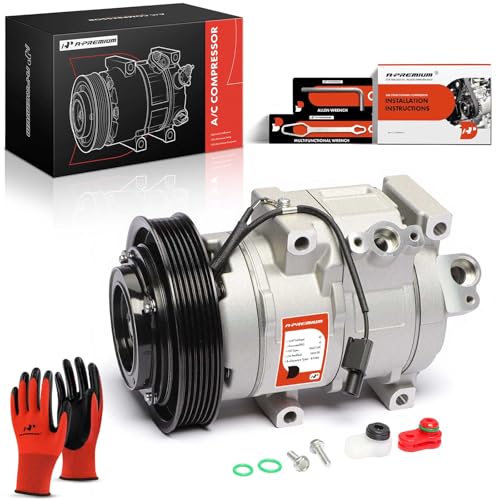
Replacement Home AC Compressor: Complete Guide
Understand when a compressor needs replacement, how the process works, what to expect from a professional installation, and how to decide between compressor replacement and a full system upgrade.
START LEARNINGAC Units Guide Philosophy: The compressor is the heart of your air conditioning system. Understanding its role and failure signs helps you make a confident, informed decision instead of a rushed one. Learn first, understand your options, then choose the right path.
What Is a Home AC Compressor and Why Does It Matter?
The compressor is the central component of your outdoor condensing unit. It pressurizes refrigerant and circulates it through the closed-loop system, enabling the entire heat-transfer process that cools your home. Without a functioning compressor, the system can blow air but cannot remove heat from indoor spaces.
Because the compressor runs under heavy mechanical load, it is one of the most stressed parts in any air conditioning system. When it fails, the entire cooling capability of the home stops. Understanding how it works helps you recognize early warning signs and make better decisions about replacement home AC compressor options when the time comes.
Signs Your Home AC Compressor Needs Replacement
Compressor failure rarely happens without warning. Most units show symptoms weeks or months before total failure. Recognizing these signs early can prevent secondary damage to other components.
- Warm air from vents: The system runs but does not cool. This is the most common indicator that the compressor is not engaging.
- Loud grinding or clicking noises: Metallic sounds from the outdoor unit often indicate internal mechanical wear.
- Frequent breaker trips: A failing compressor draws excessive current and trips the circuit breaker repeatedly.
- Compressor will not start: The unit hums briefly and shuts off, often due to a seized motor or failed start components.
- Visible refrigerant leaks around the compressor: Oil residue or frost buildup near the compressor terminals suggests seal failure.
- Overheating outdoor unit: The compressor overheats and triggers a thermal overload shutdown.
If your system is showing broader cooling problems, review our guide on reasons why a home AC unit is not cooling before deciding on repairs.
How a Technician Diagnoses Compressor Failure
A proper diagnosis involves several checks that go beyond simple observation. Technicians typically perform the following steps:
- Electrical testing: Measuring winding resistance, checking for shorts to ground, and testing start and run capacitors.
- Pressure readings: Comparing suction and discharge pressures against manufacturer specifications to detect internal valve failure.
- Current draw measurement: Checking amperage against the rated load to identify a failing motor.
- Continuity and insulation tests: Verifying that the internal motor windings are intact and properly insulated.
- Visual inspection: Looking for oil traces, burnt terminals, and damaged wiring at the compressor connections.
Only after these tests confirm an internal compressor fault should replacement be considered. Misdiagnosis leads to unnecessary replacement and continued system problems.
Compressor Replacement vs Full System Replacement
This is the most important decision homeowners face. The right choice depends on the age of the system, the refrigerant type, and the overall condition of other components.
| Factor | Favor Compressor Replacement | Favor Full System Replacement |
|---|---|---|
| System age | Under 10 years old | Over 12 to 15 years old |
| Refrigerant type | Current standard refrigerant | Obsolete refrigerant facing phase-out |
| Condition of coils | Evaporator and condenser coils in good shape | Coils showing corrosion or repeated leaks |
| Efficiency rating | Mid-range or high-end tier efficiency | Entry-level tier efficiency from older standards |
| Repair history | Few prior repairs | Frequent repairs across multiple components |
| Warranty status | Parts or labor warranty still active | All warranties expired |
If your system uses an older refrigerant that is being phased out, a full system replacement is often the more practical long-term path. Review our explanation of the R410A phase-out and R22 replacement considerations before deciding.
For systems where only the compressor failed and other components remain healthy, a targeted compressor replacement preserves the remaining lifespan of the equipment. Some homeowners in this situation also evaluate the broader picture using our replace condensing unit only guide.
Factors That Influence the Scope of Compressor Replacement
While we do not publish figures, understanding the variables that affect the scope of the job helps you plan and compare professional quotes more effectively.
- Compressor tier and type: A scroll compressor in a premium-tier system differs significantly from a reciprocating compressor in an entry-level unit.
- Refrigerant handling requirements: Systems using current refrigerants require specific recovery and charging procedures.
- Warranty coverage: A compressor still under manufacturer warranty may reduce the scope of the replacement to labor and ancillary parts only.
- Ancillary components: Start capacitors, contactors, filter driers, and line-set components are often replaced alongside the compressor.
- System accessibility: Rooftop, crawlspace, or tight mechanical closet installations require more labor effort.
- Electrical upgrades: Older homes may need panel or disconnect upgrades to support the replacement compressor safely.
For broader context on system-level investment, review our overview of replacement HVAC system costs and air conditioner pricing structures to understand how compressor work fits into the overall picture.
The Professional Replacement Process Step by Step
A proper compressor replacement follows a defined sequence. Skipping steps leads to premature failure of the new compressor and voided warranties.
- 1. Refrigerant recovery: All refrigerant is recovered into a certified cylinder using EPA-compliant equipment.
- 2. Electrical disconnect and lockout: Power is isolated and locked out to ensure safe working conditions.
- 3. Compressor removal: The failed compressor is unbolted, wiring disconnected, and the unit is lifted out.
- 4. System flush and inspection: Lines and coils are inspected for debris, acid, and oil contamination. A filter drier is installed.
- 5. New compressor installation: The replacement compressor is mounted, aligned, and torqued to manufacturer specifications.
- 6. Electrical reconnection: Wiring is reconnected, and start components are replaced or verified.
- 7. Evacuation: The system is evacuated with a vacuum pump to remove moisture and non-condensable gases.
- 8. Refrigerant charging: The system is charged to the exact weight specified by the manufacturer.
- 9. Performance testing: Pressures, superheat, subcooling, and amperage are measured and documented.
Proper evacuation and charging are the most critical steps. A compressor installed without correct evacuation will fail again quickly. This is why compressor work must be handled by licensed professionals, not attempted as a DIY project.
If your system also needs ductwork evaluation after replacement, consider professional duct cleaning to restore airflow efficiency.
How to Choose the Right HVAC Contractor
The quality of installation determines how long the replacement compressor will last. Use these criteria when evaluating contractors:
- Valid state license and insurance: Verify credentials before scheduling work.
- EPA Section 608 certification: Required for refrigerant handling in the United States.
- Written estimate with itemized scope: The quote should list the compressor model, ancillary parts, and labor description.
- Warranty terms in writing: Confirm both manufacturer and contractor labor warranties.
- References and recent reviews: Ask for recent compressor replacement examples in homes similar to yours.
- Proper evacuation confirmation: A professional contractor documents vacuum levels before charging.
Do not select a contractor based on the lowest quote alone. A poorly executed replacement leads to repeat failure and greater long-term investment than a properly installed unit from a mid-range or premium-tier contractor.
Maintenance After Compressor Replacement
A new compressor gives the system a fresh start, but continued reliability depends on maintenance discipline.
- Replace air filters regularly: Restricted airflow is a leading cause of compressor strain. Review our guidance on when to replace an AC filter.
- Schedule annual professional service: Technicians check electrical connections, refrigerant charge, and compressor amperage.
- Keep the outdoor unit clear: Maintain clearance around the condenser for proper heat rejection.
- Monitor cooling performance: Notice any decline in cooling early and address it before it escalates.
- Use a programmable thermostat: Reducing compressor cycling extends lifespan. See our programmable thermostat for heating and cooling guide.
Maintaining proper indoor humidity also reduces load on the compressor. Check our reference on recommended indoor humidity levels for optimal comfort and equipment health.
Frequently Asked Questions
How do I know if my home AC compressor needs replacement?
Signs include warm air from vents, loud grinding or clicking noises, frequent breaker trips, refrigerant leaks, and the compressor failing to start. A professional diagnostic confirms whether replacement is necessary.
Can I replace an AC compressor myself?
Compressor replacement requires EPA certification for refrigerant handling, specialized tools, and electrical expertise. It is not a DIY task. Licensed HVAC technicians should perform this work to ensure safety and warranty compliance.
How long does a replacement AC compressor last?
A properly installed replacement compressor typically lasts 10 to 15 years with regular maintenance, depending on usage, climate, and whether the underlying cause of the original failure was corrected.
Should I replace the compressor or the entire AC unit?
If the system is under 10 years old and otherwise in good condition, compressor replacement may be worthwhile. If the unit is older, uses obsolete refrigerant, or has multiple failing components, replacing the entire system is often the better long-term investment.
Why did my compressor fail in the first place?
Common causes include prolonged operation with low refrigerant charge, restricted airflow from dirty filters, electrical component failure, inadequate lubrication, and repeated short cycling. Correcting the root cause is essential before installing a new compressor.
Ready to Compare Replacement Options?
Explore our recommended compressor-compatible air conditioning products and related HVAC components below. Each listing links to a trusted retailer where you can check availability and read verified customer feedback.
View Recommended ProductsRelated Guides for Deeper Research
Before finalizing your decision, review these related resources from our knowledge base:
- Replacement heat pump compressor — how heat pump compressors differ from standard AC compressors.
- Replace condensing unit only — when replacing the outdoor unit alone makes sense.
- Replace HVAC evaporator coil — matching indoor and outdoor components after replacement.
- R410A air conditioner — refrigerant considerations for modern compressor replacements.
- Recharging Freon in a central air conditioner — understanding refrigerant charge procedures.
- Replacement HVAC system cost — the broader investment picture if a full upgrade is being considered.
- Prices for central air conditioning units — system-level context for central AC decisions.