Soft Start Air Conditioner
A complete guide to soft start kits for air conditioners — how they work, what they do to startup current, when you need one, and how to choose the right kit for your system.
Why this guide matters: If you are researching a soft start for your air conditioner, you are likely dealing with one of three situations: a generator that trips when the AC starts, a compressor that draws a heavy inrush current, or a desire to reduce wear on the system. This guide explains what a soft start actually does and helps you decide whether it is the right solution for your setup.
What Is a Soft Start Air Conditioner?
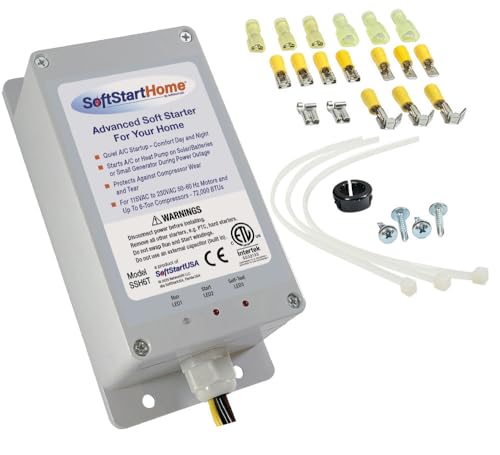
A soft start air conditioner is an air conditioning system equipped with a soft starter — an electronic device that limits the inrush current drawn by the compressor during startup. In a conventional AC, the compressor motor pulls a large surge of current for a brief moment when it engages, often several times its normal running current. A soft start ramps that current up gradually over a short period, reducing the peak demand on the electrical supply.
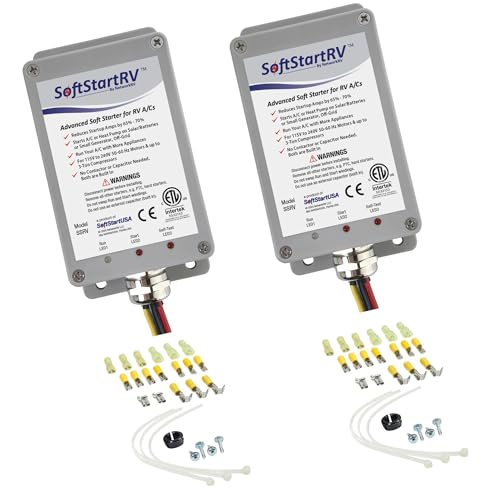
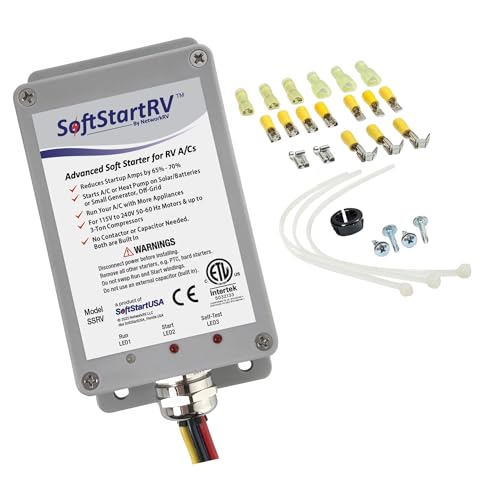
The soft start itself is a small module installed in the electrical compartment of the outdoor condenser unit. It works with the existing compressor and contactor, and it does not change the cooling capacity or the steady-state efficiency of the system. Its job is to manage the startup event.
For background on how compressors and starting components interact, see the guide on compressor not working but fan is running.
How a Soft Start Works
When the thermostat calls for cooling, the contactor closes and the compressor is energized. Without a soft start, the compressor motor briefly draws a high inrush current — often five to seven times the running current — before settling into normal operation. This surge is what stresses wiring, breakers, and generators.
A soft start uses power electronics (typically a triac or SCR-based circuit) to limit the voltage applied to the compressor at the moment of startup. Over a short ramp period, usually a fraction of a second to a couple of seconds, the voltage and current rise smoothly to full operating levels. The result is a lower peak current and a gentler mechanical start.
Soft Start vs Hard Start Kit
A hard start kit is a different device. It uses a start capacitor and relay to boost starting torque, which helps a compressor start under difficult conditions. A hard start kit does not reduce the inrush current — it actually increases the starting current to overcome resistance. A soft start reduces the peak current. The two devices serve different purposes and are not interchangeable.
Lower Inrush Current
Reduces the startup surge that trips breakers or overloads generators, making the AC easier to start on limited power.
Gentler Compressor Start
Smoother mechanical engagement reduces stress on the compressor, contactor, and associated components over time.
Generator Compatibility
Often makes it possible to run an AC on a smaller generator by lowering the startup demand below the generator's surge capacity.
Quieter Startup
Soft starts typically produce less of the thump or clunk associated with a hard compressor engagement.
When Do You Need a Soft Start?
A soft start is not required on every system. It is most useful in specific situations where the startup current is a problem.
Important note: If your AC already uses an inverter-driven compressor, it likely ramps up gradually by design. A soft start is usually unnecessary and may not be compatible. Verify with the manufacturer before adding one. See single-stage AC for a comparison of compressor types.
Soft Start Kits Compared by Tier
Soft start kits vary in features, installation complexity, and compatibility. The table below summarizes the three main tiers.
| Tier | Typical Features | Best For | Installation |
|---|---|---|---|
| Entry-level | Basic current limiting, single-phase, fixed ramp profile | Simple single-stage residential ACs with moderate startup issues | Often DIY-friendly with basic electrical knowledge |
| Mid-range | Adjustable ramp, better thermal management, broader compatibility | Homes with generator backup or frequent startup trips | Usually installed by an HVAC technician |
| Top-tier | Advanced control electronics, diagnostics, wide compatibility, robust build | Off-grid systems, larger compressors, and installations where reliability matters most | Professional installation recommended |
Entry-level kits are a solid choice for a straightforward single-stage system with a known startup issue. Mid-range kits add flexibility and are often the practical choice for generator-supported homes. Top-tier kits are for installations where the stakes are higher — off-grid power, larger equipment, or a need for diagnostic feedback.
Compatibility and Sizing
Soft start kits are rated for specific compressor sizes and electrical configurations. Choosing the wrong kit can lead to poor performance or damage. Key factors include:
If you are unsure about compatibility, consult a qualified HVAC technician. The when to call an HVAC technician guide offers guidance on when professional help is the right call.
Soft Start and Generator Sizing
One of the most common reasons homeowners look into a soft start is generator compatibility. A generator must be able to supply both the running load and the startup surge of the connected equipment. Without a soft start, the AC's inrush current can exceed the generator's surge rating even when the running load is well within capacity.
| Scenario | Without Soft Start | With Soft Start |
|---|---|---|
| AC running load within generator capacity, surge exceeds it | Generator trips or stalls at AC startup | AC starts smoothly within generator surge capacity |
| AC running load near generator capacity | Marginal operation; other loads may cause overload | Startup is easier, but running load still limits total capacity |
| Off-grid inverter system | Inverter may shut down on surge | Reduced surge demand improves compatibility |
For homes exploring solar and backup power, the solar panel that can power an air conditioner and solar panels that can run an air conditioner guides explain how system sizing interacts with AC loads.
Installation Considerations
Soft start installation involves working inside the outdoor condenser's electrical compartment, which carries line voltage. For that reason, professional installation is often the safer choice, especially for mid-range and top-tier kits.
Soft Start vs Other Startup Solutions
A soft start is one of several approaches to managing compressor startup. Understanding the alternatives helps you choose the right one.
| Solution | What It Does | Best For |
|---|---|---|
| Soft start kit | Limits inrush current during startup | Generator compatibility, breaker trips, off-grid systems |
| Hard start kit | Boosts starting torque with a start capacitor | Compressors that struggle to start due to low voltage or mechanical issues |
| Inverter compressor | Variable-speed operation with inherent soft ramp | New installations where efficiency and quiet operation matter |
| Larger generator | Provides more surge capacity | When multiple large loads must start simultaneously |
A hard start kit is sometimes confused with a soft start. They are not the same. If your goal is to reduce peak current, a soft start is the correct device. If your goal is to help an aging compressor start under load, a hard start kit may be appropriate — but the underlying cause should be diagnosed first.
Frequently Asked Questions
A soft start reduces the inrush current that the compressor draws when it starts. Instead of a sudden spike of several times the running current, the soft start ramps the compressor up gradually, lowering the startup surge and reducing mechanical and electrical stress.
In many cases, yes. By lowering the startup surge, a soft start can make it possible to run an air conditioner on a smaller generator that would otherwise be overloaded by the compressor's inrush current. The generator must still be sized for the unit's running load and any other connected loads.
A soft start primarily affects the brief startup period, not steady-state running efficiency. The savings in energy terms are modest. The main benefits are reduced stress on the compressor, quieter starts, and improved compatibility with generators or limited electrical service.
Inverter air conditioners already use variable-speed compressors that ramp up gradually, so they generally do not need an external soft start. In many cases, adding one is unnecessary and may not be compatible. Verify with the manufacturer before installing a soft start on an inverter system.
No. A hard start kit boosts starting torque by adding a start capacitor and relay, which helps a compressor start under difficult conditions. A soft start limits the inrush current to reduce the startup surge. They serve different purposes and are not interchangeable.
Making Your Decision
A soft start air conditioner setup is the right solution when startup current is the problem — typically with generators, off-grid power, or breakers that trip at startup. Confirm the kit's rating against your compressor's LRA and RLA, choose a tier that matches your reliability needs, and have the installation done by a qualified technician unless you are confident working inside the condenser's electrical compartment.
If you are still evaluating the broader system, the guide on how an air conditioner works provides useful context on compressors and electrical components. For homes planning backup power, review the solar powered air conditioning unit and solar powered split system air conditioner guides before committing to a soft start and generator combination.