
Solar Operated Air Conditioner: The Complete Guide
Discover how a solar operated air conditioner works, what equipment you need, how to size your panels and batteries, and whether a solar AC system is right for your home or off-grid setup.
EXPLORE SOLAR AC OPTIONSWhy consider solar cooling? A solar operated air conditioner uses energy from the sun to power your cooling system, reducing reliance on grid electricity and lowering long-term energy use. With falling solar panel prices and more efficient inverter ACs, solar cooling has become a practical option for many homeowners — especially in sunny climates with high cooling demand.
What Is a Solar Operated Air Conditioner?
A solar operated air conditioner is a cooling unit that runs on electricity generated by solar panels. Unlike a traditional AC that draws all its power from the grid, a solar AC system uses photovoltaic (PV) panels to convert sunlight into electricity, which then powers the air conditioner either directly or through a battery storage system.
There are three main configurations for solar cooling:
- Direct solar AC: The AC runs directly from solar panels through a solar inverter, with no battery. It only works when the sun is shining.
- Battery-backed solar AC: Solar panels charge a battery bank, which powers the AC day and night. This is the most flexible off-grid setup.
- Hybrid solar AC: The system draws solar power when available and switches to grid power when solar production is insufficient. This is the most practical option for most homes.
💡 Key takeaway: The most efficient solar AC setups combine a high-SEER inverter AC with a properly sized solar array and, optionally, battery storage. Inverter technology modulates compressor speed to match cooling demand, reducing peak power draw and making solar pairing more practical.
Solar AC vs. Traditional Grid-Powered AC
| Feature | Traditional Grid-Powered AC | Solar Operated AC |
|---|---|---|
| Energy source | Grid electricity only | Solar, grid, or hybrid |
| Upfront equipment | AC unit only | AC unit + panels + inverter + battery |
| Operating dependence | Grid reliability | Sun availability or battery |
| Long-term efficiency | Depends on grid rates | Higher — energy independence |
| Best for | Urban homes, renters | Sunny climates, off-grid, long-term owners |
How a Solar Operated Air Conditioner Works
Understanding the components of a solar AC system helps you plan and size your setup correctly. A typical system includes the following:
1. Solar Panels (PV Array)
Solar panels convert sunlight into direct current (DC) electricity. The number and wattage of panels determine how much power your system can produce. A solar calculator can help you estimate the right array size based on your AC's wattage, daily runtime, and local peak sun hours.
2. Solar Inverter
The inverter converts DC electricity from the panels into alternating current (AC) electricity that your air conditioner can use. Some solar ACs are designed to run on DC directly, which eliminates the inverter conversion step and improves efficiency.
3. Battery Bank (Optional)
Batteries store excess solar energy for use at night or during cloudy periods. Battery capacity is measured in kilowatt-hours (kWh) and must be sized to cover your AC's nightly runtime plus a safety margin. Lithium-ion batteries are the most common choice today due to their longer lifespan and higher depth of discharge.
4. Charge Controller
The charge controller regulates the voltage and current from the solar panels to the battery, preventing overcharging and extending battery life. MPPT (Maximum Power Point Tracking) controllers are more efficient than PWM controllers, especially in variable weather conditions.
5. The Air Conditioner Unit
High-efficiency inverter ACs are the best match for solar systems. They draw less peak power and adjust compressor speed to match cooling demand, which stabilizes the load on your solar array. A solar powered mini-split is one of the most efficient options for single-room cooling.
6. Grid Connection (Hybrid Systems)
In a hybrid setup, the system automatically switches between solar and grid power. When solar production exceeds AC demand, excess energy can be exported to the grid through net metering, or used to charge the battery. When solar is insufficient, the system draws from the grid.
Sizing Your Solar AC System
Proper sizing is the most important factor in a successful solar cooling setup. Undersized systems fail to meet cooling demand, while oversized systems waste resources. Follow these steps:
Step 1: Determine AC Power Draw
Check the AC's rated wattage (or amperage × voltage). For example, a 1,200-watt mini-split running 8 hours per day consumes about 9.6 kWh daily. A solar powered air conditioning unit with a DC compressor may draw significantly less.
Step 2: Calculate Solar Panel Requirements
Divide daily kWh consumption by peak sun hours in your area. If your AC uses 9.6 kWh and you get 5 peak sun hours, you need at least 1.92 kW of panels. Add 20–30% margin for system losses, shading, and aging. Use a solar panel that can power an air conditioner sizing guide to refine the calculation.
Step 3: Size Battery Storage
For nighttime cooling, multiply nighttime kWh consumption by a depth-of-discharge buffer. If your AC runs 4 hours at night at 1,200 watts (4.8 kWh), and your battery allows 80% depth of discharge, you need at least 6 kWh of usable capacity.
Step 4: Choose the Right Inverter and Charge Controller
The inverter must handle the AC's peak startup current plus other loads. Inverter ACs have lower startup surges than non-inverter models, so a smaller inverter can be used. Size the charge controller to match your panel array's total wattage.
💡 Sizing tip: Start with the AC unit you need for your room size, then size the solar array around the AC — not the other way around. Choosing an inverter AC designed for solar pairing reduces the panel and battery requirements significantly.
Types of Solar Operated Air Conditioners
Solar-Powered Mini-Split Systems
Mini-splits are the most efficient solar AC option for single-room or small-home cooling. They use inverter compressors, DC or AC motors, and can be paired with a dedicated solar array. A solar powered mini-split air conditioning system is a popular choice for off-grid cabins and energy-conscious homeowners.
Solar-Powered Split Systems
Traditional split systems can be solar-powered through a whole-home solar array and hybrid inverter. These are larger installations and typically require professional design. For homes with central AC, a solar panel system for central air conditioning can offset a significant portion of cooling energy use.
Solar-Powered Portable AC Units
Portable solar ACs are ideal for camping, RVs, and temporary cooling. They typically run on 12V or 24V DC and pair with a small solar panel and battery. A solar powered portable air conditioner is a practical off-grid solution for small spaces. For camping specifically, see our solar powered air conditioner for camping guide.
Solar-Powered Heat Pumps
A solar-powered heat pump provides both heating and cooling using the same solar array. This is the most versatile option for year-round comfort. A solar powered heat pump and air conditioner system maximizes your solar investment by covering both seasonal needs.
Solar-Powered Window Units
Window ACs can be powered by solar through a battery and inverter setup. A solar powered split-system air conditioner is more efficient, but window units remain popular for retrofits in homes without central systems.
Installation Considerations
Installing a solar AC system involves both solar and HVAC work. Consider these factors before starting:
- Roof or ground mount: Solar panels can be roof-mounted or ground-mounted. Ground mounts are easier to access for maintenance but require more space.
- Shading: Even partial shading can significantly reduce solar output. Choose a mounting location with unobstructed sun for most of the day.
- Wiring and distance: Long cable runs from panels to the inverter or battery lose energy. Keep components close together when possible.
- Permits and inspections: Most jurisdictions require electrical permits and inspections for solar installations. Check local codes before starting.
- HVAC sizing: Ensure the AC unit is properly sized for the room and matches the solar array's output. A solar panel air conditioning unit that is oversized for the array will not perform well.
- Professional help: While some portable solar AC setups are DIY-friendly, whole-home solar installations should be handled by licensed professionals.
For related installation guidance, see our resources on someone to install window air conditioner and general HVAC contractor selection.
Maintenance Tips for Solar AC Systems
Solar AC systems require maintenance on both the solar side and the HVAC side:
Solar Panel Maintenance
- Clean panels every few months to remove dust, pollen, and bird droppings that reduce efficiency.
- Inspect wiring and connectors annually for corrosion or loose connections.
- Check mounting hardware for stability, especially after storms.
- Monitor production data through your inverter app to detect underperformance early.
Battery Maintenance
- Keep batteries in a temperature-controlled space when possible. Extreme heat or cold reduces lifespan.
- Check state of charge regularly and avoid deep discharges beyond the manufacturer's recommendation.
- Inspect terminals for corrosion and clean as needed.
AC Unit Maintenance
- Clean or replace filters every two weeks during peak cooling season.
- Clean condenser coils annually to maintain efficiency.
- Schedule professional service for refrigerant checks and electrical inspection.
For a broader maintenance routine, refer to our seasonal AC checklist to keep your HVAC system in top condition year-round.
Is a Solar Operated Air Conditioner Worth It?
A solar AC system is a long-term investment that can pay off in several ways:
- Energy independence: Reduce reliance on grid electricity and protect against rate increases.
- Environmental benefit: Solar cooling produces no direct emissions during operation.
- Property value: Solar systems and efficient HVAC upgrades can increase home value and appeal.
- Long-term efficiency: With a properly sized system and efficient inverter AC, the operational savings compound over time.
Solar AC is most worthwhile for homeowners with high cooling demand, good sun exposure, and long-term plans for their property. For renters or those in shaded locations, a grid-tied high-efficiency AC paired with a smart thermostat may be a more practical first step toward efficiency.
Comparing Solar AC Configurations
| Configuration | Tier | Best For |
|---|---|---|
| Portable solar AC + small panel | Entry-level | Camping, RVs, small off-grid spaces |
| Solar mini-split with battery | Mid-range | Off-grid cabins, single-room cooling |
| Hybrid whole-home solar + central AC | Premium | Full-home cooling with energy independence |
| Solar heat pump + battery backup | Top-tier | Year-round heating and cooling, maximum independence |
Recommended Solar Operated Air Conditioners
⚠️ AFFILIATE DISCLOSURE: This website contains affiliate links. As an Amazon Associate, we earn from qualifying purchases. If you make a purchase through these links, we may receive a small commission at no additional cost to you. Read our full affiliate policy.

Arctic Air Pure Chill 2.0 Evaporative Air Cooler by Ontel - Powerful, Quiet, Lightweight and Portable Space Cooler with Hydro-Chill Technology For Bedroom, Office, Living Room & More,Blue
Check price on Amazon
Portable Air Conditioners Rechargeable 6000mAh,Mini Air Conditioner,USB Small Personal AC Unit,3-Speed Quiet Evaporative Air Cooler Units for Room/Bedroom/Office/Rooms/Travel/Tent/Indoor/Outdoor-White
Check price on Amazon
USB Powered Portable Air Conditioner for Car, 1.2L Water Tank & 2 Ice Packs | Mini Air Conditioner for Camping, Personal Air Cooling Fan with remote, 7H Timer, for Tent Desktop, snow white no battery
Check price on Amazon
Glimibox Portable Air Conditioners, 3 Speeds 2 Mist Modes Portable AC Unit with 900ml Water Tank,7-Color Lights Evaporative Cooler Blow Cold Air, Mini Car Cooling Fan for Bedroom RV Desk Office Indoor
Check price on Amazon
Midea 5,000 BTU EasyCool Small Window Air Conditioner - Cool up to 150 Sq. Ft. with Easy-to-Use Mechanical Controls and Reusable Filter, Perfect for Small Bedroom, Living Room, Home Office
Check price on Amazon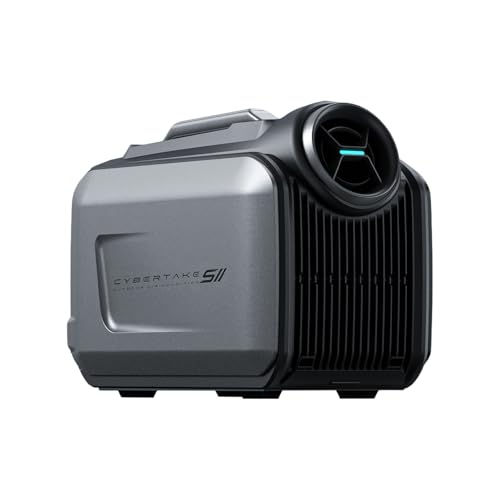
Cybertake S2 Pro Portable Camping Air Conditioner, Tent AC with 5100 BTU Cooling and 6100 BTU Heating, 8 Hours on 1kWh, 3-Way Power(48V DC, 12-24V Vehicle, 100V-240V Wall), Ideal for Tent, Camping, RV
Check price on Amazon
Portable Air Conditioner Fan, 4-in-1 Mini Air Cooler with 450ML Water Tank, 3 Speeds Portable Fan 7 Colors LED Ambient Light, Mini Evaporative Cooler Desktop Humidifier Fan for Bedroom Office Travel
Check price on Amazon
Swamp Cooler, 3-IN-1 Portable Air Conditioners,Evaporative Air Cooler, 4-IN-1 Portable Air Conditioners 2508
Check price on AmazonFrequently Asked Questions
Final Thoughts
A solar operated air conditioner combines efficient cooling with renewable energy, offering a path toward lower energy use and greater independence from the grid. Whether you choose a portable solar AC for camping, a solar powered mini-split for an off-grid cabin, or a whole-home hybrid solar system with central AC, proper sizing and component matching are essential for success.
Start by determining your cooling needs, then size your solar array, inverter, and battery around the AC's actual power draw. With the right design and installation, a solar AC system delivers comfortable cooling and long-term value for years to come.