Solar Panels That Can Run an Air Conditioner: Sizing Guide
Learn how to match a solar array to an air conditioner’s real energy demand. This guide covers load calculations, inverter and battery sizing, off-grid versus grid-tied setups, and practical installation considerations for homes, cabins, and RVs.
START THE GUIDEWhat It Takes to Run an AC on Solar
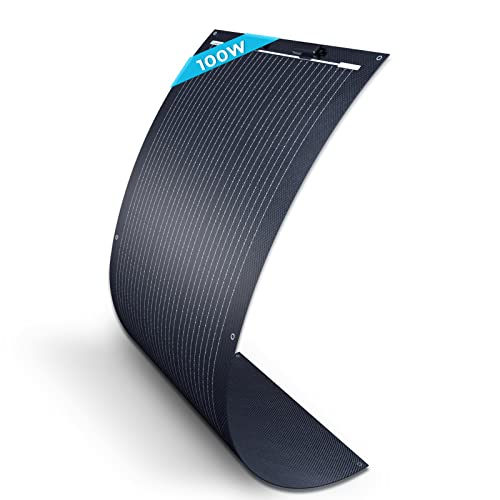
A solar-powered air conditioning setup has four main components: the solar array, a charge controller or inverter, a battery bank (for off-grid or backup), and the AC unit itself. Each component must be sized to handle the AC’s starting surge as well as its running watts.
There are three common system architectures:
- Off-grid solar: Panels, charge controller, battery bank, and inverter supply all AC power independently. Best for cabins, RVs, and remote sites.
- Grid-tied solar: Panels feed an inverter connected to the utility grid. The AC draws power from the grid, and solar production offsets the home’s total consumption through net metering.
- Hybrid solar: Grid-tied with battery backup. This provides resilience during outages and better self-consumption of solar energy.
If you are still deciding between AC types, the solar-operated air conditioner guide and the solar-powered AC overview explain how solar-ready units differ from conventional models.
Step 1: Calculate Your Air Conditioner’s Real Energy Use
Solar sizing starts with wattage and daily runtime, not BTU alone. Use the following method:
Find the Running Watts
The unit’s nameplate or manual lists amperage and voltage. Multiply them to get running watts. For example, a 115V window AC drawing 4.5 amps uses about 517 watts. Central AC nameplates typically list a higher figure, often between 3,000 and 5,000 watts.
Estimate Daily Runtime
Hotter climates mean longer runtime. A reasonable estimate for summer in a warm region is 6 to 10 hours per day. Multiply running watts by runtime to get watt-hours, then divide by 1,000 for kilowatt-hours (kWh).
Account for Surge
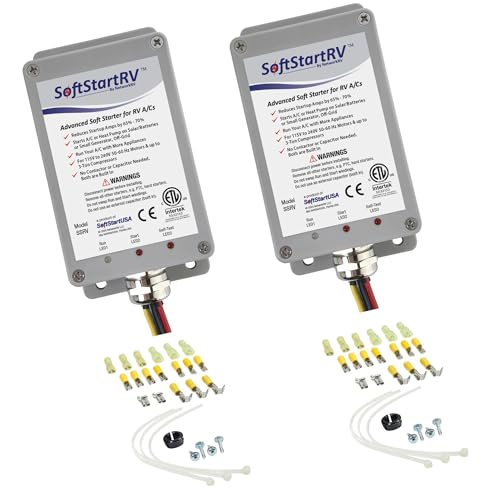
Compressor startup can draw 2 to 3 times running wattage for a few seconds. Inverter and battery sizing must account for this, though inverter-driven compressors soften the surge considerably.
| AC Type | Typical Running Watts | Approx. Daily kWh (8 h) | Suggested Array Size |
|---|---|---|---|
| Small window AC (5,000–6,000 BTU) | 450–550 W | 3.6–4.4 kWh | 1,000–1,500 W |
| Medium window AC (8,000–10,000 BTU) | 700–900 W | 5.6–7.2 kWh | 1,500–2,000 W |
| Portable AC (10,000–12,000 BTU) | 900–1,200 W | 7.2–9.6 kWh | 2,000–2,500 W |
| Mini-split (12,000 BTU inverter) | 800–1,100 W | 6.4–8.8 kWh | 1,800–2,400 W |
| Central AC (2–3 ton) | 3,000–5,000 W | 24–40 kWh | 6,000–10,000 W |
These figures assume roughly 4 to 5 peak sun hours per day. Locations with more sun can use slightly smaller arrays, while cloudy regions require larger ones. For a more precise calculation, use the solar calculator and the solar panel sizing guide.
Step 2: Size the Inverter for Starting Surge
The inverter converts DC power from the panels or battery into AC power for the air conditioner. It must handle both continuous running watts and the compressor’s startup surge.
- Continuous rating: At least 1.25 times the AC’s running watts for headroom.
- Surge rating: Must exceed the compressor’s locked-rotor current, often 2 to 3 times running watts for a few seconds.
- Pure sine wave: Essential for compressor motors and sensitive electronics. Modified sine wave inverters can damage some AC units.
- Idle draw: Inverter standby consumption matters in off-grid systems, particularly overnight.
Inverter-driven AC units (variable-speed compressors) start softly and draw fewer surge amps, making them much easier to run on solar. This is why inverter AC units are commonly recommended for solar setups.
Step 3: Battery Sizing for Nighttime and Cloudy Days
If you want to run the AC after sunset, or during cloudy weather, batteries are essential. Battery sizing is based on:
- Nightly kWh demand: The AC’s running watts multiplied by the hours it will run at night.
- Depth of discharge: Lithium batteries typically allow 80–90% discharge; lead-acid should stay above 50%.
- Efficiency losses: Account for 10–15% inverter and charging losses.
- Autonomy days: The number of cloudy days the battery must cover without recharging.
As a practical example, running a 900-watt AC for 6 nighttime hours requires about 5.4 kWh of usable battery capacity, plus losses. That means roughly 6.5 kWh of nominal lithium storage. Larger systems scale linearly. The solar camping AC guide covers smaller-scale battery setups for tents and RVs.
Air Conditioner Types That Pair Well With Solar
Not all AC units are equally suited to solar power. Consider these categories:
Inverter Mini-Splits
Variable-speed compressors and high efficiency ratings make mini-splits some of the best candidates for solar. Smaller arrays can support them, and their soft-start behavior eases inverter sizing. See the solar-powered mini-split guide and the solar mini-split air conditioning overview.
High-Efficiency Window Units
Window ACs in the 5,000–10,000 BTU range can run on modest solar arrays if runtime is reasonable. ENERGY STAR models and units with strong CEER ratings reduce daily kWh. The ENERGY STAR window AC guide covers efficient options.
Portable AC Units
Portable ACs are convenient for renters and RVs, but they often draw more watts per BTU than window or mini-split units. The solar-powered portable AC guide explains the trade-offs.
Central and Split Systems
Central AC can run on solar, but the required array and battery bank are substantial. Grid-tied solar with net metering is the practical choice for most homes. The solar panels for central AC guide and solar split system overview cover these scenarios in more detail.
Heat Pumps
Solar-powered heat pumps provide both cooling and heating, making them a strong long-term investment in many climates. The solar heat pump and AC guide explains sizing and seasonal performance.
DC Solar AC Units
A niche category of DC-powered air conditioners avoids inverter losses and can run directly from solar panels or batteries. These are most common in off-grid cabins and specialized applications.
Evaluating Solar-AC Components by Product Tier
To compare solar components and AC units without relying on monetary figures, this guide uses tier descriptors:
Entry-Level Tier
Basic panels, standard inverters, and modest battery capacity. Suited to small window or portable AC units with limited runtime.
Mid-Tier
Improved panel efficiency, pure sine wave inverters, and lithium battery banks. Suitable for mini-splits and moderate daily runtime.
High-End Tier
High-efficiency panels, hybrid inverters, and large lithium storage. Designed for central AC loads, extended autonomy, and smart energy management.
Professional-Grade
Commercial solar components, heavy-duty inverters, and scalable battery architectures. Used in whole-home or light commercial solar AC installations.
Within any tier, efficiency is what matters most for AC loads. A mid-tier high-efficiency panel can outperform an entry-level panel of larger size, and a mid-tier hybrid inverter often handles AC surge better than an entry-level unit. For related planning, see the solar panel AC unit overview and the solar panel sizing guide.
Installation and Practical Considerations
Solar AC installation involves more than placing panels on a roof. Consider the following:
- Roof orientation and shading: South-facing, unshaded panels produce the most power. Shade on even one panel can reduce array output significantly.
- Panel mounting: Roof-mounted, ground-mounted, and pole-mounted arrays each suit different sites. Ground mounts are easier to service and can be adjusted for seasonal tilt.
- Cable runs: Longer runs from panels to inverter lose power. Use appropriately sized DC cable to minimize voltage drop.
- Permits and inspections: Most jurisdictions require electrical permits and inspection for solar installations.
- Utility interconnection: Grid-tied systems require an interconnection agreement with the local utility.
For homes that already have HVAC infrastructure, planning solar around existing AC equipment is more practical than replacing it. The solar heating and air conditioning guide and the solar AC unit overview explain integration options.
Maintenance for Long-Term Solar AC Performance
Solar systems that run AC loads benefit from regular upkeep:
- Clean panels seasonally. Dust, pollen, and bird droppings reduce output measurably.
- Inspect inverter cooling. Inverters running at high load need clear ventilation.
- Check battery health. Monitor state of charge and capacity over time to catch degradation early.
- Service the AC unit. Clean filters and coils so the AC draws no more power than necessary. The AC filter cleaning guide and condenser coil cleaning guide cover routine tasks.
Quick Buyer Checklist
- Measure the AC’s running watts and estimate daily runtime.
- Calculate daily kWh and decide whether the system will be off-grid, grid-tied, or hybrid.
- Size the solar array using local peak sun hours.
- Choose an inverter with sufficient continuous and surge ratings.
- Size batteries for nightly runtime and cloudy-day autonomy if going off-grid.
- Consider high-efficiency or inverter-driven AC units to reduce array size.
- Plan mounting, cable runs, permits, and utility interconnection.
- Verify warranty coverage for both solar components and the AC unit.
Frequently Asked Questions
How many solar panels do I need to run an air conditioner?
The number depends on the AC’s wattage and daily runtime. A small 500-watt window unit running 8 hours per day needs roughly 4 kWh daily, which a 1,000-watt solar array can produce in 4 to 5 peak sun hours. A 3,500-watt central AC running 8 hours may need a 7,000-watt or larger array. Always size the array against measured energy use, not just nameplate wattage.
Can solar panels run an air conditioner at night?
Solar panels do not produce power at night. To run an AC after sunset, you need a battery bank sized to cover the overnight load, or a grid-tied setup with net metering that credits daytime production against nighttime consumption.
What size inverter do I need for a solar-powered air conditioner?
The inverter must handle the AC’s starting surge as well as its running watts. Inverter or variable-speed ACs often have lower surge demands than fixed-speed compressors. As a rule, choose an inverter rated at least 1.25 to 1.5 times the AC’s running wattage, and confirm its surge rating exceeds the compressor’s locked-rotor current.
Can I run a central air conditioner entirely on solar?
Yes, but the system size is substantial. Central AC units often draw 3,000 to 5,000 watts continuously, so a fully off-grid setup requires a large array, high-capacity inverter, and a battery bank sized for overnight runtime. Many homeowners instead use grid-tied solar with net metering to offset AC consumption.
Do I need a special air conditioner to run on solar power?
Not necessarily, but inverter-driven and high-efficiency ACs are easier to run on solar because they have lower starting surges and better part-load efficiency. DC-powered and solar-ready ACs also exist, which can reduce conversion losses in off-grid systems.