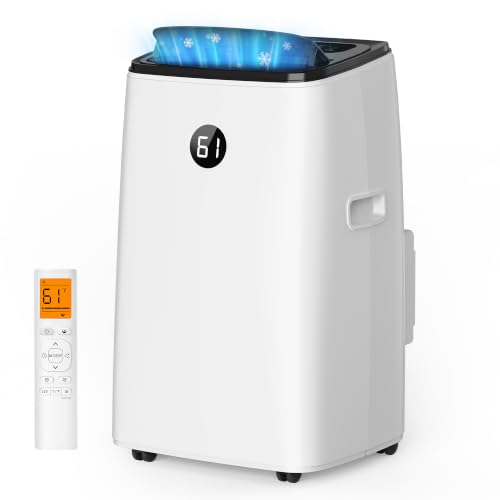
Top Rated 10,000 BTU Portable Air Conditioner Guide
Everything you need to know about choosing a 10,000 BTU portable AC — cooling capacity, efficiency, features, and top-tier recommendations for your space.
VIEW RECOMMENDATIONSQuick Summary: A 10,000 BTU portable air conditioner is the sweet spot for cooling medium-to-large rooms, typically between 250 and 450 square feet. It offers a strong balance of cooling power and portability, making it a popular choice for bedrooms, living rooms, home offices, and apartments where permanent installation isn't practical.
What Does 10,000 BTU Mean for Your Space?
BTU (British Thermal Unit) measures cooling capacity. A 10,000 BTU portable air conditioner is generally suitable for rooms up to approximately 450 square feet, depending on ceiling height, insulation, sun exposure, and the number of occupants. It sits in the mid-tier to high-end tier of portable cooling capacity, delivering noticeably stronger performance than entry-level 8,000 BTU units while remaining manageable and portable.
If you're comparing capacities, you may also want to explore our guides on top rated 8,000 BTU portable air conditioners and top rated 14,000 BTU portable air conditioners to understand how different sizes fit different room dimensions.
Key Features to Look For in a Top Rated 10,000 BTU Portable AC
Cooling Capacity & Room Fit
Ensure the unit is rated for your room size. A 10,000 BTU model typically cools 250–450 sq ft. Consider heat load from windows, appliances, and occupants for accurate sizing.
Energy Efficiency (CEER)
Look for a high Combined Energy Efficiency Ratio (CEER). Top-tier models often feature inverter compressors and smart eco modes that reduce energy use during long cooling sessions.
Single vs Dual Hose Design
Dual-hose units draw in outside air for condenser cooling, improving efficiency and cooling speed. Single-hose models are simpler but can create negative pressure. Explore top rated dual hose portable air conditioners for advanced options.
Noise Level
Portable ACs range from quiet premium models to louder entry-level units. If noise matters, check decibel ratings — models under 52 dB are considered quiet for this category. See our top 10 quietest portable air conditioners.
Dehumidification & Fan Modes
Most 10,000 BTU units double as dehumidifiers, removing several pints of moisture per day. Fan-only mode adds versatility for milder days.
Smart Controls & Programmability
Wi-Fi connectivity, app control, and 24-hour timers are common in mid-range and premium tiers. These features help optimize cooling schedules and energy use.
Installation Kit & Window Compatibility
Check the included window kit fits your window type (sliding, casement, double-hung). Some models offer vertical window support or extendable panels up to 48 inches.
Mobility & Drainage
Heavy-duty casters and side handles make relocation easier. Most units offer auto-evaporation for condensate, but humid climates may require manual draining via a hose.
Comparing 10,000 BTU Portable AC Tiers
Portable air conditioners in this capacity range fall into distinct market tiers. The table below outlines what to expect from each tier without referencing specific figures, so you can align your expectations with your needs.
| Tier | Best For | Typical Features | Efficiency & Build |
|---|---|---|---|
| Entry-Level | Basic cooling in smaller rooms, occasional use | Mechanical controls, single-hose design, simple window kit | Standard efficiency, lighter build, higher noise potential |
| Mid-Range | Everyday cooling in medium rooms, bedrooms, home offices | Digital display, remote control, timer, auto-evaporation, 3-in-1 modes | Improved CEER, quieter operation, more durable housing |
| High-End Tier | Large rooms, extended daily use, smart home integration | Wi-Fi/app control, dual-hose design, inverter compressor, advanced filters | Top-tier efficiency, quiet operation, premium materials, robust casters |
| Professional-Grade | Commercial or continuous-use environments | Heavy-duty components, extended warranties, reinforced construction | Commercial-grade durability, optimized airflow, industrial controls |
How to Choose the Right 10,000 BTU Portable AC
Before selecting a model, assess your room and usage patterns. Follow these steps to narrow down your options:
- Measure your room: Multiply length by width to get square footage. A 10,000 BTU unit suits most rooms between 250 and 450 sq ft. Adjust upward for kitchens, sunrooms, or rooms with large windows.
- Check window compatibility: Verify the window kit works with your window type and size. Sliding windows and casement windows may require specific adapters.
- Decide on hose configuration: Single-hose is simpler and often lighter; dual-hose is more efficient in larger or hotter spaces.
- Prioritize efficiency: Higher CEER ratings indicate better energy performance. Inverter-driven compressors are a hallmark of high-end tier models and deliver smoother, more efficient cooling.
- Consider noise: If the unit will run in a bedroom or office, target models with low decibel ratings and sleep modes.
- Plan for drainage: In humid climates, manual draining may be necessary. Look for units with continuous drain options or auto-evaporation features.
For a broader look at portable cooling options, visit our guide on stand-alone portable air conditioning units. If you're exploring energy-efficient alternatives, see the most energy-efficient portable air conditioner.
Maintenance Tips for Long-Term Performance
Proper maintenance extends the life of your portable AC and keeps it running efficiently. Follow these practices:
- Clean or replace the air filter every two weeks during heavy use. A clogged filter reduces airflow and strains the compressor.
- Empty the condensate tank regularly or set up continuous drainage if the unit supports it.
- Inspect and clean the exhaust hose for kinks or blockages.
- Store the unit indoors during colder months to protect components.
- Wipe down the exterior and check the window kit seal for gaps.
For more troubleshooting and maintenance guidance, explore our resources on troubleshooting air conditioning and what to do when your AC isn't blowing cold air.
Ready to Find Your Ideal 10,000 BTU Portable AC?
Browse our curated recommendations below to compare top-tier options and choose the model that fits your space and lifestyle.
SEE TOP PICKSFrequently Asked Questions
What size room can a 10,000 BTU portable air conditioner cool?
A 10,000 BTU portable AC typically cools rooms between 250 and 450 square feet. Factors like ceiling height, insulation, sun exposure, and occupancy can shift this range. For rooms with high heat loads, consider a unit with a higher CEER or a dual-hose design.
Is a 10,000 BTU portable AC enough for a living room?
For many standard living rooms (up to about 400 sq ft), yes. However, open floor plans or rooms with large windows and direct sunlight may benefit from a 12,000–14,000 BTU unit. Assess your room's heat load carefully.
How many watts does a 10,000 BTU portable air conditioner use?
Most 10,000 BTU portable ACs draw between 900 and 1,200 watts during cooling. Inverter models and high-efficiency units tend to operate at the lower end. Always check the unit's specifications for exact power draw.
Do 10,000 BTU portable air conditioners need to be drained?
Many models feature auto-evaporation, which uses condensate to cool the condenser and reduces manual draining. In humid environments, however, you may still need to drain the tank periodically or connect a continuous drain hose.
What is the difference between single-hose and dual-hose portable ACs?
Single-hose units exhaust hot air outside, which can create negative pressure and draw warm air in through gaps. Dual-hose units use one hose for intake and one for exhaust, maintaining balanced pressure and improving cooling efficiency. Dual-hose models are generally preferred for larger rooms and hotter climates.
Can I use a 10,000 BTU portable AC in a bedroom?
Yes, but pay attention to noise levels. Look for models with quiet operation (under 52 dB), sleep modes, and programmable timers. Positioning the unit away from the bed and ensuring a tight window seal will improve comfort.