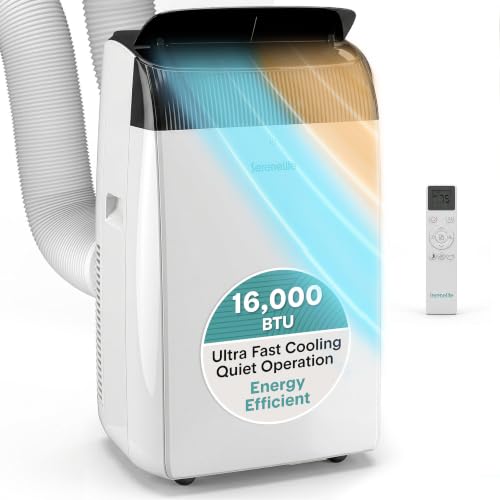
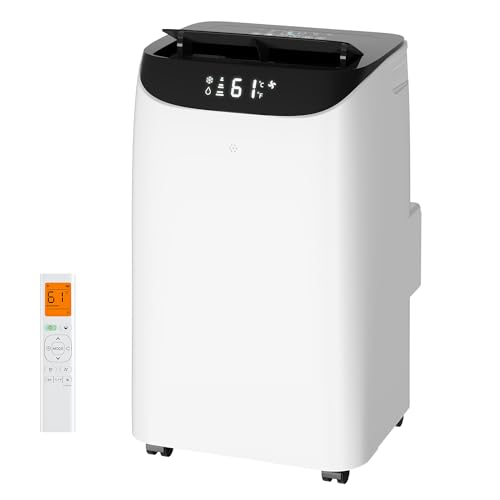
Top Rated Dual Hose Portable Air Conditioner
Your complete guide to understanding dual-hose portable AC systems — how they work, why they cool more efficiently, and how to choose the right unit for your space.
Why dual hose? A portable air conditioner with two hoses separates intake and exhaust air, creating a balanced pressure system that cools more effectively than a single-hose unit. If you're researching dual-hose models before buying, this guide covers everything you need to make a confident decision.
How a Dual Hose Portable Air Conditioner Works
Unlike a single-hose portable unit that draws indoor air to cool its condenser and then expels it outside, a dual hose system uses two separate ducts. One hose draws in outdoor air specifically to cool the condenser coil, while the second hose exhausts hot air back outside. This separation prevents the unit from creating negative pressure inside your room — a common issue with single-hose designs that pulls hot outdoor air in through gaps around doors and windows.
The result is a more stable cooling cycle. The compressor doesn't have to work as hard to maintain the set temperature, which translates to more consistent comfort and better energy performance over long cooling sessions. This is the primary reason dual-hose models earn strong ratings among users who need reliable cooling in rooms without permanent HVAC.
Dual Hose vs Single Hose: Key Differences
Understanding the trade-offs between these two designs helps you decide which type fits your situation. The comparison below uses neutral tier descriptors to help you evaluate value without relying on transient market pricing.
| Feature | Dual Hose | Single Hose |
|---|---|---|
| Cooling efficiency | Higher — balanced pressure system | Moderate — creates negative pressure |
| Energy performance | Efficient in the long run | Compressor cycles more frequently |
| Installation complexity | Requires two window openings or a dual-port kit | Single window opening |
| Ideal tier | Mid-tier to premium | Entry-level to mid-range |
| Best for | Larger rooms, prolonged use, hot climates | Small rooms, occasional use |
| Noise level | Generally quieter under load | Can be louder during peak cycling |
Advantages of Dual Hose
- More effective cooling in larger spaces
- Balanced indoor pressure
- Better energy efficiency over extended use
- Often quieter during sustained operation
- Strong choice for rooms up to 400+ sq ft
Considerations
- Requires two window ports or a specialized kit
- Typically larger and heavier than single-hose units
- Higher market tier than entry-level models
- Setup takes slightly more effort
Key Features to Evaluate in a Top Rated Dual Hose Portable AC
When comparing dual-hose models, focus on specifications that directly affect comfort, durability, and long-term satisfaction rather than marketing claims. The following criteria matter most:
1. Cooling Capacity (BTU)
Match the unit's BTU rating to your room size. As a general guide, 8,000–10,000 BTU suits rooms up to 250 sq ft, 12,000–14,000 BTU handles 250–400 sq ft, and 14,000+ BTU is appropriate for larger or sun-exposed spaces. A dual-hose design helps a given BTU rating perform closer to its full potential because it avoids the pressure loss that affects single-hose units.
2. Energy Efficiency Ratio (EER)
EER measures cooling output relative to power input. Higher EER values indicate a more efficient unit. Dual-hose models often post better EER numbers than comparable single-hose units because their condenser airflow is more consistent. Look for units with recognized efficiency certifications where available.
3. Noise Level
Portable ACs generate noise from the compressor and fans. Dual-hose units can run quieter under sustained load because the compressor cycles less aggressively. Check decibel ratings and read user feedback about nighttime operation if the unit will be used in a bedroom or home office. For more quiet-focused options, see our guide to the quietest portable air conditioners.
4. Installation Kit and Hose Design
A well-designed dual-hose kit includes window panels that accommodate both hoses without gaps. Look for telescoping window sliders, durable hose connectors, and clear instructions. Poorly sealed installations undermine the efficiency advantage of dual-hose systems.
5. Dehumidification and Fan Modes
Most dual-hose portable ACs include dehumidification and fan-only modes, extending their usefulness across seasons. Some premium-tier models add auto-drain systems or self-evaporative technology to reduce manual water removal.
6. Smart Controls and Programmability
Wi-Fi connectivity, remote controls, and programmable timers are increasingly common. These features add convenience, especially for units used in living areas where schedule-based cooling saves energy. If smart control matters to you, prioritize models in the mid-tier and above that include these capabilities.
Matching a Dual Hose Unit to Your Room
Portable AC sizing follows the same principles as other air conditioner types, but dual-hose units have an advantage in larger rooms because they maintain cooling performance over longer duct runs. Here's a practical breakdown:
- Up to 150 sq ft: A compact dual-hose unit in the 8,000 BTU range is sufficient. Entry-level dual-hose models exist in this category.
- 150–250 sq ft: 10,000–12,000 BTU. This is where dual-hose efficiency gains become noticeable compared to single-hose alternatives.
- 250–400 sq ft: 12,000–14,000 BTU. Choose a mid-tier to high-end tier unit with strong airflow and a reliable dual-duct kit.
- 400+ sq ft: 14,000 BTU and above. Premium-tier dual-hose models with robust compressors are the best fit. You may also consider a through-the-wall AC or mini-split for permanent installations.
Also factor in ceiling height, sun exposure, window area, and the number of occupants. A room that receives direct afternoon sun may need a unit sized at the upper end of its range. If you need help calculating capacity, our guide on how to size an air conditioner walks through the process step by step.
Installation Best Practices for Dual Hose Units
Proper setup is critical to getting the rated performance from any portable AC. For dual-hose models, pay attention to these points:
- Seal the window panel thoroughly. Gaps around the dual-hose window kit let hot air back in, defeating the purpose of the second hose. Use the foam seals included with most kits.
- Keep hoses as short and straight as possible. Excess hose length or sharp bends restrict airflow and reduce cooling efficiency.
- Position the unit away from walls and furniture. Allow at least 12–18 inches of clearance around the intake and exhaust for proper airflow.
- Drain condensate regularly. In humid conditions, dual-hose units can accumulate water quickly. Use the continuous drain option if available, or empty the tank before it fills.
- Check your window type. Casement and sliding windows may require a specialized kit. Verify compatibility before installation.
If your window setup is unusual, explore stand-alone air conditioner options without window venting as an alternative approach.
Maintenance for Long-Term Performance
Dual-hose portable ACs require the same basic maintenance as other portable units, with a few extra checks specific to the two-hose design:
- Clean or replace the air filter every two to four weeks during heavy use. A clogged filter forces the compressor to work harder.
- Inspect both hoses for cracks, kinks, or loose connections. A leaky exhaust hose reduces cooling and wastes energy.
- Clean the condenser and evaporator coils annually, following the manufacturer's instructions.
- Store the unit upright during the off-season and cover it to prevent dust buildup in the ducts.
- Check the drain system before each cooling season to prevent water damage or mold growth.
For a broader seasonal checklist, see our AC maintenance guide.
Who Should Choose a Dual Hose Portable AC?
Dual-hose portable air conditioners are the strongest choice for:
- Renters who cannot install permanent or window units. Explore AC solutions for renters for more options.
- Homeowners with rooms that lack ductwork, such as converted garages, additions, or sunrooms.
- Users in hot climates who need reliable cooling for many hours per day and want efficient long-term operation.
- Anyone cooling a room larger than 250 sq ft where single-hose units struggle to maintain temperature.
- Home offices and bedrooms where quieter sustained operation is a priority.
If you only need occasional cooling in a small space, a single-hose or window unit may be a more practical fit. For a broader comparison of portable categories, visit our stand-alone portable air conditioning units overview.
Ready to Compare Top Rated Dual Hose Models?
Browse our curated selection of recommended dual-hose portable air conditioners below. Each listing includes key specifications to help you evaluate fit for your space.
View Recommended ModelsFrequently Asked Questions
Is a dual hose portable air conditioner better than a single hose?
For most cooling scenarios, yes. Dual-hose units maintain balanced indoor pressure and cool more efficiently, especially in larger rooms or during extended use. Single-hose units are simpler to install and may suit very small rooms with occasional cooling needs.
Do dual hose portable ACs really cool faster?
They typically reach and maintain target temperatures more effectively because they avoid pulling hot outdoor air into the room. The compressor runs less aggressively, which also contributes to quieter operation and better energy performance over time.
Can I use a dual hose portable AC in a room without windows?
No — both hoses must vent outdoors. You need a window, sliding door, or wall vent that can accommodate the dual-hose kit. For rooms without venting options, consider a portable air conditioner without a hose or a different cooling approach.
How many BTU do I need for a dual hose portable AC?
Match BTU to room size: 8,000–10,000 BTU for up to 250 sq ft, 12,000–14,000 BTU for 250–400 sq ft, and 14,000+ BTU for larger spaces. Dual-hose efficiency means the rated BTU performs closer to its maximum potential than with single-hose units.
Are dual hose portable ACs energy efficient?
Dual-hose models are generally more efficient in sustained use because their condenser airflow is separate from room air. Look for units with strong EER ratings and efficiency certifications. For highly efficient options, see our guide to the most efficient portable air conditioner.
What is the ideal tier for a dual hose portable AC?
Most dual-hose models fall in the mid-tier to high-end tier. Entry-level dual-hose units exist for smaller rooms, while premium-tier and flagship-tier models add smart controls, quieter operation, and larger cooling capacities. Choose the tier that matches your room size and usage intensity.
How often should I clean a dual hose portable AC?
Clean the air filter every two to four weeks during heavy use, inspect hoses monthly, and clean coils annually. Regular maintenance keeps the unit running efficiently and extends its service life.
Exploring other cooling categories? Compare spot coolers for targeted cooling, learn about tower air conditioners for compact spaces, or review stand-up air conditioners for a broader view of portable-style options.