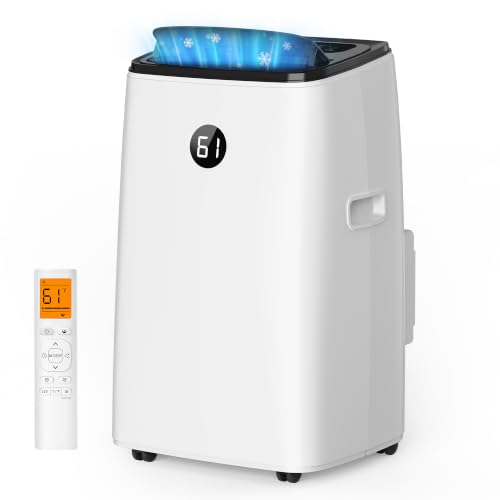
Top Rated Portable Air Conditioner Without Hose
Your complete guide to hose-free portable cooling solutions. Learn how ventless AC units work, what to look for, and how to choose the right one for your space.
Explore Top PicksWhy Consider a Hose-Free Portable AC? Traditional portable air conditioners require an exhaust hose that must be vented through a window or wall. Hose-free models eliminate this requirement, making them ideal for spaces where venting is impossible or impractical. Whether you live in an apartment without suitable windows, work in a home office, or need cooling in an RV or tent, a hose-free portable AC can provide targeted relief.
What Is a Portable Air Conditioner Without a Hose?
A portable air conditioner without a hose — also known as a ventless or hose-free portable AC — is a cooling unit that does not need to exhaust hot air outside through a duct. Instead, these units use alternative cooling methods to provide spot cooling for the immediate area around them.
Unlike traditional portable ACs that collect heat and moisture and expel them through an exhaust hose, hose-free models rely on technologies such as:
- Evaporative cooling: Uses water evaporation to cool the air. These units require a water tank and work best in dry climates.
- Thermoelectric cooling: Uses the Peltier effect to create a temperature difference. These units are compact and require no water or venting, but have limited cooling capacity.
- Hybrid cooling: Combines evaporative and thermoelectric elements for improved performance in small spaces.
It is important to understand that hose-free portable ACs are designed for spot cooling, not whole-room cooling. They work best when placed directly in front of the user, making them ideal for personal cooling in small, enclosed areas.
How Do Hose-Free Portable Air Conditioners Work?
Understanding the technology behind hose-free portable ACs helps you set realistic expectations and choose the right unit for your needs.
Evaporative Cooling Units
Evaporative coolers (also called swamp coolers) draw warm, dry air through a water-saturated cooling pad. As the air passes through the pad, water evaporates and absorbs heat, lowering the air temperature. The cooled air is then blown into the room. These units require a continuous supply of water and work best in hot, dry climates with low humidity. They also add moisture to the air, which can be beneficial in dry environments but may be uncomfortable in humid areas.
Thermoelectric Cooling Units
Thermoelectric coolers use semiconductor materials to create a temperature difference when an electric current passes through them. One side becomes cold while the other becomes hot. A fan blows air over the cold side to produce cool air, while another fan dissipates heat from the hot side. These units are compact, require no water, and produce no exhaust, but their cooling capacity is limited to small personal spaces.
Hybrid Units
Some hose-free portable ACs combine evaporative and thermoelectric technologies to improve cooling performance. These hybrid units can provide better temperature reduction than single-technology models while still avoiding the need for an exhaust hose.
Key Features to Look For
When shopping for a top rated portable air conditioner without a hose, consider the following features to ensure you choose a unit that meets your cooling needs and fits your space.
Cooling Capacity
Hose-free portable ACs typically have lower cooling capacities than traditional vented units. Look for models rated in BTU (British Thermal Units) or by the size of the area they can effectively cool. Most hose-free models are designed for personal cooling in spaces up to 100 square feet.
Water Tank Capacity and Runtime
For evaporative models, the water tank capacity determines how long the unit can run before needing a refill. Larger tanks provide longer runtime, which is especially important if you plan to use the unit overnight.
Airflow and Fan Speeds
Adjustable fan speeds allow you to control the intensity of cooling. Look for units with multiple fan settings and adjustable louvers to direct airflow where you need it most.
Noise Level
Portable ACs can produce noticeable noise, especially at higher fan speeds. If you plan to use the unit in a bedroom or office, look for models with quiet operation or a sleep mode.
Portability and Design
Consider the unit's size, weight, and mobility features such as built-in handles and casters. A compact, lightweight design makes it easier to move the unit between rooms or store it when not in use.
Additional Features
Some hose-free portable ACs include additional features such as:
- Remote control: For convenient operation from across the room.
- Timer: To automatically turn the unit on or off.
- Oscillation: To distribute cool air more evenly.
- Humidification: In evaporative models, to add moisture to dry air.
- Air purification: Some models include filters to remove dust and allergens.
Hose-Free Portable AC vs. Traditional Vented Portable AC
| Feature | Hose-Free Portable AC | Traditional Vented Portable AC |
|---|---|---|
| Installation | No installation required; plug and play | Requires window kit and exhaust hose setup |
| Venting | No venting needed | Must vent hot air outside through a window or wall |
| Cooling Capacity | Spot cooling only; limited to small areas | Can cool larger rooms effectively |
| Best For | Personal cooling, small spaces, spaces without windows | Room cooling, larger spaces, spaces with suitable windows |
| Portability | Highly portable; easy to move between rooms | Portable but requires window access for operation |
| Climate Suitability | Evaporative models work best in dry climates | Works in all climates |
| Maintenance | Regular water refills (evaporative models) and filter cleaning | Regular filter cleaning and hose inspection |
Understanding Product Tiers
To help you make an informed decision, we classify hose-free portable air conditioners into three tiers based on their features, build quality, and performance within their category. This classification system helps you compare products on a relative basis without focusing on numerical figures.
| Tier | Characteristics | Best For |
|---|---|---|
| Entry-Level | Basic cooling functions, simple controls, compact design, essential features for personal cooling | Budget-conscious buyers, occasional use, small personal spaces |
| Mid-Range | Improved cooling capacity, multiple fan speeds, remote control, timer, better build quality | Regular use, home offices, bedrooms, users who want more control |
| Premium | Advanced cooling technology, quiet operation, smart features, premium materials, larger tanks | Frequent use, users who prioritize performance and convenience |
When comparing models, consider how each tier aligns with your intended usage. An entry-level unit may be sufficient for occasional spot cooling, while a premium model offers better performance and features for daily use. Mid-range units often provide a balanced combination of performance and features for most households.
Pros and Cons of Hose-Free Portable Air Conditioners
Advantages
- No installation required: Simply plug the unit in and turn it on — no window kits, hoses, or tools needed.
- Works in any space: Ideal for rooms without suitable windows, basements, garages, RVs, and tents.
- Highly portable: Compact and lightweight designs make it easy to move the unit wherever cooling is needed.
- No window obstruction: Unlike vented units, hose-free models do not block windows or require modifications to your home.
- Energy-efficient for spot cooling: Cooling only the area you occupy can be more efficient than cooling an entire room.
Limitations
- Limited cooling capacity: Hose-free models are designed for spot cooling and cannot cool large rooms effectively.
- Climate-dependent performance: Evaporative models work best in dry climates and are less effective in humid conditions.
- Regular water refills: Evaporative units require frequent water tank refills for continuous operation.
- Not a whole-room solution: These units are best suited for personal cooling rather than replacing a central air system.
Tips for Choosing the Right Hose-Free Portable AC
- Assess your space: Measure the area you intend to cool and choose a unit rated for that size. Remember that hose-free models are best for small, enclosed spaces.
- Consider your climate: If you live in a humid area, thermoelectric or hybrid models may be more suitable than evaporative coolers.
- Check the water tank: For evaporative models, a larger tank means fewer refills. Look for units with removable, easy-to-fill tanks.
- Evaluate noise levels: If you plan to use the unit while sleeping or working, look for models with quiet operation or a sleep mode.
- Look for convenience features: Remote controls, timers, and oscillating louvers enhance usability.
- Read reviews: Customer reviews provide real-world insights into performance, durability, and ease of use.
- Check warranty and support: A solid warranty and responsive customer support add peace of mind.
Related Guides
Ready to Find Your Perfect Hose-Free Portable AC?
Browse our curated selection of top rated portable air conditioners without hose. Compare features, read expert insights, and choose the right cooling solution for your space.
View Top RecommendationsFrequently Asked Questions
What is a portable air conditioner without a hose?
A portable air conditioner without a hose is a cooling unit that does not require an exhaust hose to vent hot air outside. These units use alternative cooling methods such as evaporation, thermoelectric cooling, or a built-in water tank to provide spot cooling for small spaces.
Are hose-free portable air conditioners effective?
Hose-free portable air conditioners are effective for spot cooling in small, enclosed spaces. They work best when placed close to the user and are ideal for personal cooling rather than whole-room cooling. They are not a replacement for traditional vented air conditioners in large spaces.
Do portable AC units without hoses need water?
Many hose-free portable air conditioners use evaporative cooling, which requires water in a built-in tank. Others use thermoelectric technology that does not require water. Always check the specific model's requirements before purchasing.
Where can I use a portable air conditioner without a hose?
Hose-free portable air conditioners are ideal for small spaces where venting is not possible, such as home offices, bedrooms, RVs, tents, garages, and rooms without windows. They are also useful during power outages when traditional AC systems are not operational.
How do I maintain a hose-free portable air conditioner?
Maintenance typically involves regularly emptying and refilling the water tank, cleaning or replacing the filter, wiping down the exterior, and storing the unit properly during off-season. Always follow the manufacturer's instructions for specific maintenance schedules.