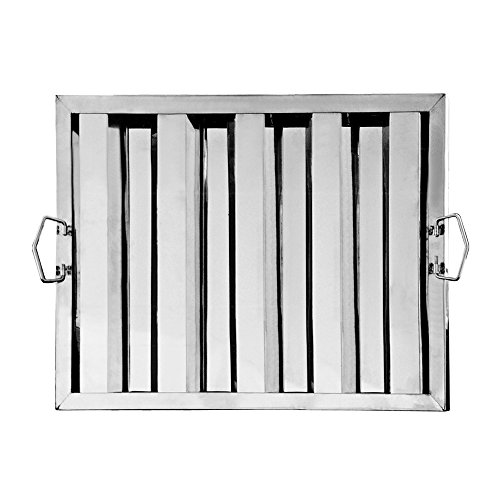
Vent Hood Cleaning Services: Complete Professional Guide
Understand what professional kitchen exhaust cleaning involves, why NFPA 96 compliance matters, how service tiers differ, and how to evaluate a provider before scheduling your first inspection.
Explore Service TypesWhy this guide matters: A commercial kitchen exhaust system accumulates grease with every service shift. When that grease builds up inside the hood, ductwork, and fan, it becomes a fire load that no suppression system can fully offset. This page explains what professional vent hood cleaning services actually do, so you can compare providers with confidence and protect your facility.
What Are Vent Hood Cleaning Services?
Vent hood cleaning services are specialized maintenance programs that remove grease, oil residue, soot, and other combustible deposits from the entire kitchen exhaust pathway — from the hood canopy and filters, through the ductwork, all the way to the rooftop exhaust fan and its housing. Unlike routine kitchen cleaning, this work requires trained technicians, dedicated equipment, and documentation that satisfies local fire codes and insurance requirements.
A complete service visit is not just a surface wipe-down. It typically includes degreasing the hood interior, washing or replacing filters, cleaning accessible and non-accessible duct sections, cleaning the fan blade and motor housing, verifying that fire suppression components are unobstructed, and issuing a compliance report with before-and-after photographs. Facilities that operate solid-fuel cooking equipment may also require polishing of the hood and duct surfaces to bare metal.
These services sit within the broader category of ventilation cleaning, which addresses air-movement pathways in general. However, kitchen exhaust cleaning is a distinct discipline because of grease fire risk and the specific code framework that governs it. If you are searching for providers locally, understanding the terminology in vent hood cleaning services will help you ask the right questions.
Why Professional Exhaust Cleaning Is Essential
Reduces Ignition Risk
Grease is a fuel. Heavy deposits inside ducts can ignite from a single flare-up on the cooking line, and the fire can travel the length of the exhaust path in seconds. Regular cleaning removes that fuel load and gives suppression systems a chance to work as designed.
Satisfies Inspection Requirements
Most jurisdictions adopt NFPA 96 or an equivalent standard that requires exhaust systems to be inspected and cleaned at defined intervals. Documented cleaning records are often requested during fire inspections, insurance audits, and pre-opening approvals for new tenants.
Improves Kitchen Environment
Restricted airflow from grease-clogged filters and ducts forces the fan to work harder, reducing capture efficiency. A clean system removes smoke, odors, and heat more effectively, which improves working conditions for staff and limits odor complaints from neighboring units.
Protects Motors and Fans
Grease buildup on fan blades causes imbalance and vibration, which accelerates bearing wear. Cleaning the fan assembly and housing on schedule extends the service life of the exhaust fan and reduces the likelihood of unplanned downtime during peak hours.
Supports Coverage Conditions
Many commercial property policies include maintenance conditions related to kitchen exhaust systems. A documented cleaning history demonstrates that the operator took reasonable steps to control a known fire hazard, which can be important in the event of a claim.
Protects Guest Experience
Smoke and grease odor that escapes into the dining area or neighboring spaces affects customer perception. A well-maintained exhaust system keeps the front of house comfortable and reduces the risk of complaints that can damage a brand's local reputation.
Service Types and Market Tiers
Vent hood cleaning providers generally fall into three service tiers. The tier reflects the depth of cleaning, the scope of documentation, and the level of technician certification — not the size of the kitchen. Use this table to match your facility's risk profile with the appropriate service level.
| Service Tier | Typical Scope | Best For | Documentation |
|---|---|---|---|
| Essential tier | Hood canopy, filters, accessible duct sections, fan inspection | Light-volume kitchens with electric cooking equipment | Basic service report |
| Balanced tier | Full hood and filter cleaning, accessible and non-accessible duct cleaning, fan blade and housing cleaning, pre- and post-service photos | Full-service restaurants, hotel kitchens, cafeterias | Detailed report with photos and grease-depth notes |
| Top-tier / commercial-grade | Complete exhaust pathway cleaning including fan and rooftop components, bare-metal polishing where required, fire suppression component verification, compliance certificate | High-volume kitchens, solid-fuel cooking, multi-tenant buildings | Certificate of compliance, photo log, NFPA 96-aligned checklist |
Some providers also offer specialized programs for ventilation system components outside the kitchen, such as general exhaust and makeup air units. If your building has mixed-use occupancy, it is worth asking whether the same technician team handles both kitchen exhaust and general ventilation cleaning, or whether those are separate contracts.
What a Professional Cleaning Visit Includes
Pre-Service Assessment
- Review of the exhaust system layout, access panels, and fan location
- Grease-depth measurement in the hood, duct, and fan housing
- Verification of fire suppression component accessibility
- Photo documentation of the system before cleaning begins
Cleaning Execution
- Removal and degreasing of hood filters, or filter replacement when required
- Interior degreasing of the hood canopy and plenum
- Mechanical cleaning of accessible and non-accessible duct sections
- Fan blade, motor housing, and rooftop fan assembly cleaning
- Collection and proper disposal of grease and wastewater
Post-Service Verification
- Visual inspection of the full exhaust pathway
- Confirmation that fire suppression nozzles and fusible links are unobstructed
- Photo documentation of cleaned surfaces
- Written report with service date, scope, and technician notes
How Often Should Exhaust Systems Be Cleaned?
Cleaning frequency depends on cooking volume and fuel type. The table below summarizes typical inspection intervals aligned with NFPA 96 guidance. Your local authority may impose stricter requirements, so confirm with your fire marshal before finalizing a schedule.
| Cooking Type | Typical Cleaning Interval | Inspection Frequency |
|---|---|---|
| High-volume, solid-fuel cooking | Monthly | Monthly |
| High-volume, electric or gas cooking | Quarterly | Quarterly |
| Moderate-volume, electric or gas cooking | Semi-annual | Semi-annual |
| Low-volume, electric cooking | Annual | Annual |
During the first year of operation, many providers recommend more frequent inspections until the actual grease accumulation rate is established. After that, the interval can be adjusted based on documented grease depth rather than a fixed calendar. This is a key advantage of working with a provider that keeps detailed service records — the schedule becomes data-driven rather than guesswork.
How to Choose a Vent Hood Cleaning Provider
The market includes a wide range of operators, from local specialists to national commercial-grade firms. The checklist below focuses on the factors that most directly affect safety and compliance outcomes.
Certification and Insurance
Ask for proof of technician certification, liability insurance, and workers' compensation coverage. Certification bodies and local licensing requirements vary, so confirm that the specific credentials presented are recognized in your jurisdiction.
Full-Pathway Coverage
A provider that cleans only the hood and filters but leaves the duct and fan untouched has not addressed the highest-risk portions of the system. Confirm in writing that the quote covers the entire exhaust pathway, including rooftop components.
Compliance Reporting
Request a sample service report. It should include grease-depth readings, before-and-after photos, the date and time of service, the technician's name, and a statement of compliance with the applicable standard. Reports that lack photos are harder to use during inspections.
Duct Access Panels
Proper cleaning requires access to duct interiors. Ask whether the provider installs or services access panels, and whether those panels meet code requirements. A provider that cannot access the duct cannot verify that it is clean.
Off-Hours Availability
Most commercial kitchens cannot pause service during peak hours. Confirm that the provider can work after closing or before opening, and that the cleaning method does not leave chemical residue on food-contact surfaces.
References and Reviews
Ask for references from facilities with similar cooking volume and equipment. Reviews from single-unit cafes are less relevant to a high-volume hotel kitchen. Match the reference profile to your operation before deciding.
If you are still narrowing down local options, resources such as vent cleaners in my area can help you assemble a shortlist. Compare at least three providers on the criteria above before signing a recurring service agreement.
Safety and Compliance Considerations
Key Compliance Points
- NFPA 96 alignment: The standard defines minimum inspection, cleaning, and maintenance requirements for commercial cooking operations. Confirm that your provider's scope and documentation align with the edition adopted in your area.
- Fire suppression integration: Cleaning must not obstruct nozzles, fusible links, or detector components. A qualified provider verifies these elements after cleaning and notes any deficiencies.
- Access panel requirements: Ducts that cannot be accessed cannot be cleaned or inspected. Many codes require access panels at defined intervals along the duct run.
- Grease containment: Cleaning generates grease and wastewater that must be collected and disposed of properly. Confirm the provider's containment and disposal method before work begins.
- Record retention: Keep service reports for at least the period required by your local authority. Digital records are easier to produce during inspections and insurance audits.
Frequently Asked Questions
What is the difference between hood cleaning and duct cleaning?
Hood cleaning focuses on the canopy, filters, and plenum — the parts visible from the cooking line. Duct cleaning addresses the horizontal and vertical runs that carry exhaust to the roof, plus the fan assembly. A complete service covers both. Providers that offer only hood cleaning leave the highest-risk grease deposits untouched.
How long does a typical cleaning visit take?
Duration depends on system size, grease depth, and access. A small single-hood kitchen may be completed in a few hours, while a large multi-hood system with long duct runs can take a full shift or more. The provider should give a time estimate after the initial assessment, not before.
Do I need to shut down the kitchen during cleaning?
In most cases, yes — the exhaust system cannot be cleaned while cooking is in progress. Many providers schedule work after closing or before opening. Some light-duty hood and filter cleaning can be done during off-peak hours, but full duct and fan cleaning requires the system to be offline.
How do I know if my system needs cleaning sooner than scheduled?
Warning signs include visible grease dripping from the hood, sluggish exhaust airflow, increased kitchen heat and smoke, odor complaints from adjacent spaces, and vibration or unusual noise from the rooftop fan. Any of these warrants an inspection regardless of the calendar.
What should I do if a provider cannot show certification?
Treat missing credentials as a serious warning sign. Cleaning an exhaust system involves confined-space entry, chemical handling, and rooftop work. Uncertified operators may expose your business to liability if an injury or fire occurs. Ask for documentation and verify it before scheduling.
Can cleaning damage the fire suppression system?
Improper cleaning can displace nozzles, coat fusible links with residue, or introduce moisture into detector components. A qualified provider protects suppression components during cleaning and verifies them afterward. This is one reason certification and documented procedures matter.
Ready to Compare Providers?
Use the checklist above to evaluate at least three vent hood cleaning providers in your area. Confirm full-pathway scope, certification, documentation quality, and off-hours availability before signing a recurring agreement.
View Related Products