Ventilation Cleaning: A Complete Guide to Healthier Indoor Air
Learn how to clean air ducts and vents, improve HVAC efficiency, and decide when professional ventilation cleaning is the right choice for your home
START LEARNINGWhy Ventilation Cleaning Matters: Your HVAC system circulates air through ducts and vents every day. Over time, dust, allergens, pet dander, and debris build up inside the ventilation system, reducing airflow and lowering indoor air quality. This guide explains how ventilation cleaning works, what you can do yourself, and when to bring in a professional. Learn first, understand your needs, then take action.
What Is Ventilation Cleaning?
Ventilation cleaning is the process of removing accumulated dust, dirt, mold spores, and debris from the components of an HVAC air distribution system. This includes the air handler, supply and return ducts, registers, grilles, and diffusers. The goal is to restore proper airflow, improve indoor air quality, and extend the working life of your heating and cooling equipment.
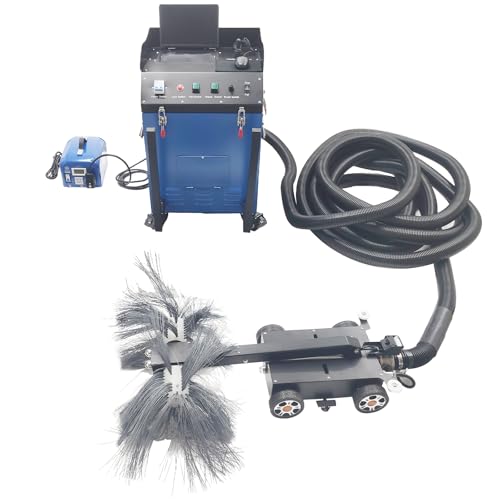
Ventilation cleaning is sometimes confused with simple vent wiping. True duct cleaning goes deeper: it uses specialized tools such as rotary brushes, compressed-air whips, and high-powered vacuum units to reach contamination inside the ductwork. Understanding the difference helps you choose the right service and avoid unnecessary work.
Source Removal
The most effective method. Contaminants are physically dislodged with brushes or air whips and captured by a vacuum collection system before they can re-enter your living space.
Point-of-Use Cleaning
Focuses on registers and the visible portions of ductwork. Suitable for light maintenance, but it does not address contamination deeper inside the system.
Negative Pressure Cleaning
A vacuum creates negative pressure inside the duct system so loosened debris is pulled toward the collection unit instead of drifting into rooms.
Dryer Vent Cleaning
A related but separate service. Lint buildup in dryer vents is a fire hazard and should be cleaned regularly, independent of HVAC duct cleaning.
Signs Your Vents Need Cleaning
Not every home needs duct cleaning on a fixed schedule. Use the signals below to judge whether your system is due for service. If you notice several of these at once, it is worth arranging an inspection.
- Visible dust buildup around supply registers, grilles, or diffusers within a few days of cleaning.
- Musty or stale odors when the HVAC system starts, which can indicate mold or microbial growth inside ducts.
- Increased allergy or asthma symptoms that seem tied to time spent indoors.
- Uneven airflow between rooms, or weak airflow from vents that were previously strong.
- Recent renovation or remodeling that generated drywall dust, sawdust, or construction debris.
- Pest activity such as rodents or insects that may have left droppings or nesting material in ductwork.
- Water damage or leaks near ducts, which can lead to mold growth inside the system.
Important: If you smell persistent mold or see visible microbial growth inside ducts, address the moisture source first. Cleaning without fixing the underlying leak will only lead to regrowth. Consult a qualified HVAC professional before proceeding.
DIY Vent Maintenance vs Professional Cleaning
Homeowners can handle routine vent maintenance safely. Deep duct cleaning, however, requires equipment and expertise that most households do not have. The table below compares both approaches using market-position descriptors rather than numerical figures.
| Task | Approach | Best For | Tier |
|---|---|---|---|
| Wipe registers and grilles | DIY | Routine maintenance | Essential tier |
| Replace HVAC filters | DIY | All homeowners | Essential tier |
| Vacuum visible vent openings | DIY | Light dust removal | Starter tier |
| Dryer vent cleaning | DIY or Pro | Safety maintenance | Balanced tier |
| Deep duct cleaning | Professional | Contaminated systems | Professional-grade |
| Mold remediation in ducts | Professional | Health-sensitive homes | Commercial-grade |
Step-by-Step DIY Vent Cleaning
These steps cover safe, effective maintenance that any homeowner can perform. Always turn off the HVAC system at the thermostat before starting, and wear a dust mask if you are sensitive to airborne particles.
- Turn off the system. Switch the thermostat to OFF so the fan does not circulate loosened dust while you work.
- Remove and inspect registers. Unscrew supply and return grilles, then wash them in warm soapy water. Let them dry fully before reinstalling.
- Vacuum visible duct openings. Use a vacuum with a brush attachment to remove loose dust from the first few inches of each duct.
- Replace the air filter. A clogged filter is the most common cause of reduced airflow. Check it monthly and replace it according to the manufacturer's guidance.
- Wipe the air handler exterior. Clean dust from accessible panels and around the blower compartment, but never open sealed electrical sections.
- Check the condensate drain. A clogged drain can raise indoor humidity and encourage mold growth in the system.
- Reinstall registers. Once everything is dry and dust-free, reattach the grilles and restore power to the system.
Want a professional assessment of your ductwork? Find qualified technicians in your area to inspect and clean your system safely.
Find Vent Cleaning Services Near YouHow Often Should You Clean Your Vents?
There is no universal schedule that fits every home. Frequency depends on your environment, occupants, and system condition. Use the guidance below as a starting point.
| Home Situation | Suggested Interval | Primary Reason |
|---|---|---|
| Average home, no pets | Every 3–5 years | General dust accumulation |
| Homes with pets | Every 2–3 years | Pet dander and hair |
| Allergy or asthma sufferers | Every 1–2 years | Indoor air quality |
| Recent renovation | Immediately after work | Construction debris |
| Smokers in the home | Every 1–2 years | Residue buildup |
| Dryer vent | Annually | Fire safety |
How to Choose a Ventilation Cleaning Provider
Professional duct cleaning is not a regulated service in every region, so quality varies widely. Use these criteria to evaluate providers before booking. A trustworthy company will welcome questions and provide documentation.
Verify Credentials
Ask for proof of licensing, insurance, and relevant industry certifications. A professional-grade provider will supply these without hesitation.
Request a Scope of Work
A written scope should list every component to be cleaned, the equipment used, and the expected duration. Vague descriptions are a red flag.
Ask About Source Removal
Confirm that the provider uses source-removal methods with negative pressure, not just surface wiping of visible vents.
Check References
Look for verified reviews and ask for recent local references. Consistent feedback across multiple sources is a good sign of reliability.
For broader context on how ductwork connects to the rest of your system, review our guide to vents for air ducts and our overview of the ventilation system. If you are also considering improvements to how your home breathes, our article on wall ventilation explains related options.
Common Ventilation Cleaning Mistakes to Avoid
- Skipping the filter. Cleaning vents while leaving a clogged filter in place wastes effort and keeps airflow restricted.
- Using harsh chemicals. Aggressive cleaners can damage duct liners and leave odors that circulate through the home. Use products approved for HVAC use.
- Ignoring the return side. Many homeowners clean supply vents but overlook return grilles, which collect just as much debris.
- Forgetting the dryer vent. Lint accumulation is a fire risk. Treat dryer vent cleaning as a separate annual safety task.
- Cleaning during operation. Running the system mid-clean redistributes dust. Always switch it off first.
- Falling for aggressive upselling. Be cautious of providers who claim your ducts are dangerously contaminated without offering visual evidence.
Benefits of Regular Ventilation Cleaning
Better Indoor Air Quality
Removing dust, dander, and allergens from the system reduces the particles circulating through your home, which matters most for allergy and asthma sufferers.
Improved Airflow
Clean ducts let conditioned air move freely, helping rooms reach the set temperature faster and reducing strain on the blower.
Longer Equipment Life
Less dust means less wear on fans, coils, and motors. Consistent maintenance supports a long-term investment in your HVAC equipment.
Reduced Odors
Removing organic buildup and debris eliminates the musty smells that often accompany a neglected ventilation system.
Frequently Asked Questions
Is ventilation cleaning worth it for every home?
Not necessarily. Homes with visible contamination, recent renovations, pets, or occupants with respiratory conditions benefit most. For an average clean home, routine filter changes and register wiping may be sufficient between deeper cleanings.
How long does professional duct cleaning take?
A typical single-family home takes several hours, depending on the number of vents, system size, and level of contamination. Providers should give you a time estimate in their written scope of work.
Can I clean my own ducts?
You can safely maintain registers, grilles, and filters. Deep cleaning of duct interiors requires specialized vacuum and brush equipment, so it is best handled by a professional-grade service.
Does duct cleaning help with allergies?
It can help by removing accumulated allergens from the system. However, results vary, and duct cleaning should be part of a broader strategy that includes proper filtration and humidity control.
How do I find reputable vent cleaners in my area?
Start by checking licensing and insurance, reading verified reviews, and requesting a detailed written scope of work. Our guide on finding vent cleaning in my area covers this in more depth.
Should dryer vent cleaning be part of the service?
Dryer vent cleaning is usually a separate task, but some providers offer it as an add-on. Because lint buildup is a fire hazard, schedule it at least annually regardless of HVAC duct cleaning.
Ready to breathe cleaner air? Explore our recommended cleaning tools and equipment, or connect with local professionals.
View Recommended Ventilation Cleaning Products