Venting a Portable Air Conditioner Through a Casement Window
Casement windows open outward on a hinge, which makes portable AC venting tricky. This guide explains the right kits, sealing methods, and safety steps so your unit exhausts hot air efficiently and keeps your room cool.
Explore Venting MethodsWhy casement windows need special handling: Unlike double-hung or sliding windows, a casement window swings open on a vertical hinge. You cannot simply slide a standard window vent panel into the frame. The exhaust hose must pass through a secure opening while the window remains partially closed against a sealing panel. Without the right approach, hot outdoor air leaks back in and your portable AC works harder than it should.
Understanding the Casement Window Challenge
A portable air conditioner pulls heat and moisture from your room and pushes it out through an exhaust hose. For the system to work, that hose must lead outdoors through a sealed opening. Casement windows present three specific obstacles:
- Hinged operation: The window sash swings outward, so there is no flat track or sill to rest a panel on.
- Vertical opening: The gap created when the window is ajar is a tall, narrow space rather than a horizontal slot.
- Sealing difficulty: The irregular opening makes it harder to create an airtight seal around the exhaust hose.
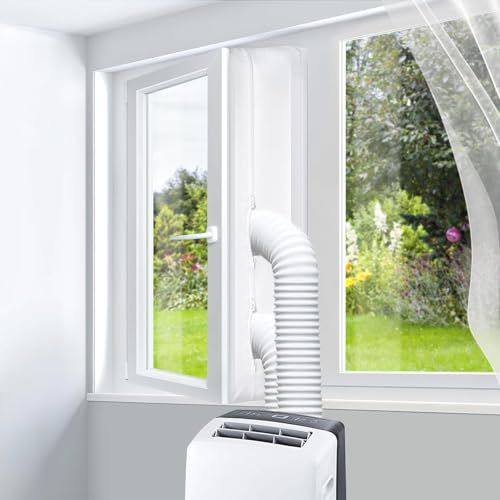
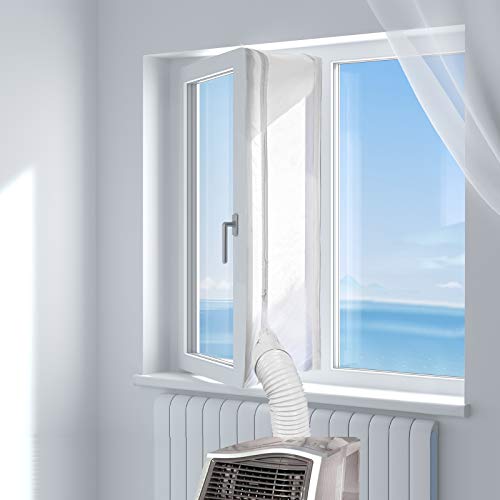
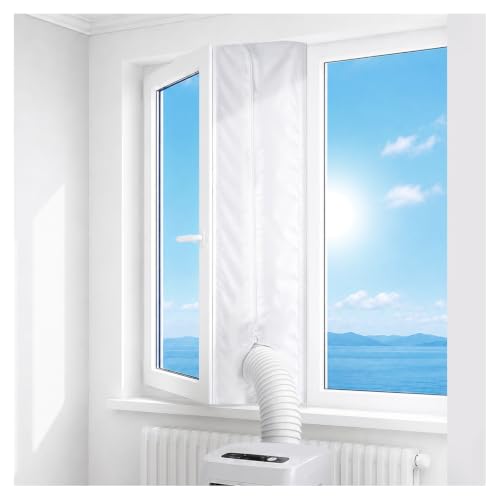
Fortunately, manufacturers have designed casement-specific vent kits that solve all three problems. These kits use a vertical panel that fits into the window opening, with a circular port for the hose and weatherstripping to seal the edges.
Three Practical Venting Methods
Method 1: Dedicated Casement Window Vent Kit
This is the most reliable and straightforward approach. A casement vent kit typically includes an adjustable vertical panel (often acrylic or PVC), a hose adapter, and foam seals. The panel slides into the window opening, the window closes against it, and the exhaust hose connects to the adapter.
Steps:
- Measure the height of your casement window opening.
- Adjust the vent kit panel to match the opening height.
- Insert the panel into the window frame.
- Close the casement window firmly against the panel.
- Attach the exhaust hose to the panel's hose port.
- Seal any remaining gaps with foam weatherstripping.
Method 2: Custom Acrylic or Plywood Panel
If your window has an unusual size or you want a more permanent solution, you can cut a custom panel from acrylic, polycarbonate, or exterior-grade plywood. Cut a circular hole sized for your exhaust hose (usually 5 to 6 inches in diameter), insert a hose flange, and seal the panel edges with weatherstripping.
This method offers a precise fit and can look cleaner than an adjustable kit. It also allows you to insulate the panel if needed. However, it requires basic cutting tools and careful measurement.
Method 3: Universal Window Seal with Hose Sleeve
A universal window seal is a fabric or plastic sleeve that attaches to the window frame with adhesive strips or zippers. The exhaust hose passes through the sleeve, and the window closes against the fabric. These seals are flexible and can adapt to casement windows, but they may not provide as tight a seal as a rigid panel.
This method is best for temporary setups or renters who cannot modify the window. Choose a seal specifically labeled for casement windows, as standard seals are often designed for sliding or double-hung windows.
For more portable AC venting options, see our guide on using a portable air conditioner without a window.
Method Comparison at a Glance
| Method | Best For | Seal Quality | Installation Effort | Reusability |
|---|---|---|---|---|
| Dedicated casement vent kit | Most homes, standard casement sizes | High | Low to moderate | High (seasonal reuse) |
| Custom acrylic or plywood panel | Odd sizes, permanent installations | Very high | Moderate to high | High (if stored carefully) |
| Universal window seal | Renters, temporary setups | Moderate | Low | Moderate (adhesive may weaken) |
For a deeper look at wall-based venting alternatives, read our article on venting a portable air conditioner through a wall.
Sealing Tips for Maximum Efficiency
Even a small gap around the vent panel lets hot outdoor air seep in, forcing your portable AC to run longer. Follow these sealing practices:
- Use foam weatherstripping: Apply self-adhesive foam tape along the top, bottom, and sides of the panel where it meets the window frame.
- Check the hinge side: Casement windows hinge on one side, so the panel must press tightly against the hinge gap. Add a strip of weatherstripping there as well.
- Insulate the hose: Wrap the exhaust hose in a hose cover or foil insulation to reduce heat radiating back into the room.
- Keep the hose short and straight: Avoid kinks and unnecessary bends. A shorter, straighter run exhausts hot air more efficiently.
- Seal the hose connection: Use the hose clamp or adapter ring provided with your kit, and check that the connection is snug.
Safety and Maintenance Guidelines
Proper installation is only half the job. Regular maintenance keeps your venting setup safe and effective:
- Inspect the panel and seals each season: Replace worn weatherstripping and check for cracks in acrylic panels.
- Clean the exhaust hose: Dust and lint can accumulate inside the hose, restricting airflow. Wipe the interior periodically.
- Secure the hose outdoors: Make sure the outdoor end of the hose is not blocked by furniture, plants, or debris.
- Never vent into an enclosed space: The exhaust must lead outdoors, not into an attic, garage, or another room.
- Check for condensation: Portable AC units produce water. Ensure the unit's drain outlet is managed according to the manufacturer's instructions.
Common Mistakes to Avoid
Many portable AC owners run into the same problems when venting through casement windows. Avoid these pitfalls:
- Using a sliding-window kit: Sliding kits have horizontal panels that do not fit casement openings. Always choose a casement-specific kit or a custom panel.
- Leaving large gaps: A loose panel lets hot air in and defeats the purpose of the AC. Seal every edge.
- Ignoring the window's swing direction: Casement windows can hinge left or right. Make sure your panel and hose route do not interfere with the window's closing mechanism.
- Overlooking hose length: If the hose is too long, hot air may cool before it exits, and the unit may struggle. Use the shortest practical length.
- Forgetting to drain the unit: In humid climates, portable AC units collect a lot of water. Follow the manual's drainage instructions to prevent overflow.
For additional venting guidance, explore our article on venting portable air conditioner through casement window for complementary tips.
Frequently Asked Questions
Can you vent a portable air conditioner through a casement window?
Yes. You need a casement-specific vent kit or a custom panel that fits the vertical opening. The window closes against the panel, and the exhaust hose connects to a port in the panel.
What type of vent kit works best for a casement window?
A dedicated casement window vent kit with an adjustable vertical panel and a hose adapter works best. Look for kits that include foam seals and a rain guard.
How do you seal a casement window for portable AC venting?
Use foam weatherstripping along the panel edges, close the window firmly against the panel, and check the hinge side for gaps. Insulating the exhaust hose also helps.
Is it safe to vent a portable AC through a casement window without a kit?
It is not recommended. Without a proper kit, the hose may shift, and the open gap lets hot air in. A kit or custom panel provides a secure, sealed connection.
How much venting space does a portable AC need?
The exhaust hose typically needs a clear opening of about 5 to 6 inches in diameter. The vent kit provides this outlet and seals the rest of the window opening.
Ready to Set Up Your Portable AC?
Browse our recommended portable air conditioners and venting accessories to find the right fit for your casement window.
View Recommendations