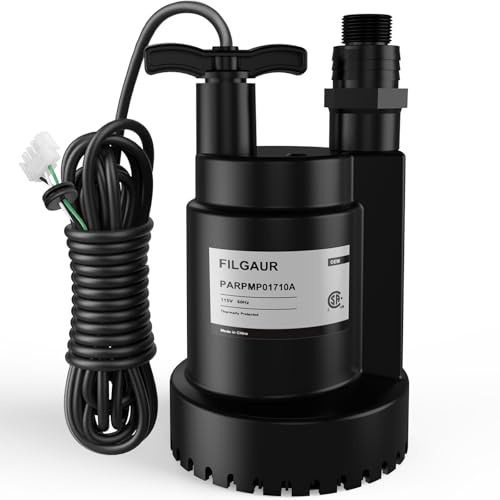
Water Pump Evaporative Cooler: The Complete Guide
Discover how the water pump drives evaporative cooling, how to size a unit for your space, and what maintenance keeps it running efficiently season after season — without the complexity of refrigerant systems.
Explore the GuideWhy the water pump matters: An evaporative cooler relies on water to cool the air. The water pump is the component that circulates water from the reservoir to the cooling pads, keeping them saturated so evaporation can occur. Without a working pump, the fan blows dry air and cooling stops. Understanding the pump and its maintenance is the key to getting the most from an evaporative cooler.
What Is a Water Pump Evaporative Cooler?
A water pump evaporative cooler — often called a swamp cooler — is a cooling appliance that uses the evaporation of water to lower air temperature. A fan draws hot, dry outdoor air through water-saturated cooling pads. As the water evaporates, it absorbs heat from the air, and the cooled air is delivered into the room.
The water pump is the small motorized component that lifts water from the reservoir to the top of the cooling pads, allowing it to trickle down continuously. Without the pump, the pads dry out and the unit behaves like a fan, moving air without cooling it. If you are comparing this with refrigerant-based systems, our overview of type of air conditioning systems and types of air conditioning units explains the differences.
Evaporative coolers are most effective in hot, dry climates where the air has low humidity. In these conditions, they consume far less energy than a traditional air conditioner and add a small amount of moisture to the air, which can feel comfortable in arid environments.
How the Water Pump and Cooling System Work Together
Understanding the components helps you troubleshoot and maintain the system. Here is the basic sequence:
- Reservoir: Holds the water supply at the base of the unit. Water level should be maintained for proper pump operation.
- Water pump: Lifts water from the reservoir to a distribution header or tray above the cooling pads.
- Cooling pads: Water trickles down through the pads while the fan pulls air through them. Evaporation cools the air.
- Fan/blower: Draws air through the wet pads and pushes cooled air into the room.
- Distribution system: Tubes or trays spread water evenly across the pads to prevent dry spots.
- Bleed-off or drain: Some units continuously drain a small amount of water to reduce mineral buildup.
For a broader look at how air conditioning works, see how an AC works and the refrigerant-focused AC refrigerant cycle explained.
Types of Water Pump Evaporative Coolers
Evaporative coolers come in several configurations. The right choice depends on the space you need to cool, whether you need portability, and how the unit is installed.
Portable Evaporative Cooler
A freestanding unit on wheels with its own reservoir and pump. Ideal for renters, garages, patios, and rooms where permanent installation is not practical. You fill the reservoir manually and plug the unit into a standard outlet.
- No installation required
- Easy to move between rooms
- Best for small to medium spaces
Window Evaporative Cooler
Mounted in a window opening so the unit draws air from outside and exhausts it into the room. This type is common in dry climates and can cool a larger area than a portable unit.
- Uses outside air for better efficiency
- Requires a window or wall opening
- Good for single rooms and additions
Whole-House Evaporative Cooler
Installed on the roof or a side yard and connected to the home's duct system. A single large unit cools the whole house, though it uses a central water pump and larger cooling pads.
- Cooling for the entire home
- Requires ductwork and installation
- Best in consistently dry climates
Commercial-Grade Evaporative Cooler
Heavy-duty units for workshops, warehouses, and outdoor events. They typically feature large reservoirs, durable pumps, and high airflow. Built for continuous operation in demanding environments.
- High airflow and robust build
- Durable construction for daily use
- Suited to larger open spaces
If you are comparing portable options, our guide to stand-alone portable air conditioning units covers related choices. For a spot-cooling approach, see spot cooling.
Sizing an Evaporative Cooler for Your Space
Correct sizing ensures the unit can cool the space without running continuously. Evaporative coolers are rated by airflow, usually in cubic feet per minute (CFM). The goal is to replace the air in the room every few minutes.
| Space Size | Approximate Airflow | Best For | Typical Tier |
|---|---|---|---|
| Up to 150 sq ft | 700 – 1,000 CFM | Small bedroom, home office | Entry-level |
| 150 – 300 sq ft | 1,000 – 2,000 CFM | Medium bedroom, small living room | Entry to mid-range |
| 300 – 500 sq ft | 2,000 – 3,500 CFM | Living room, garage, workshop | Mid-range |
| 500 – 800 sq ft | 3,500 – 5,500 CFM | Open-plan area, patio | Mid to premium |
| 800+ sq ft | 5,500+ CFM | Whole-house or commercial space | Premium |
These figures assume standard ceiling height and average conditions. Increase airflow for high ceilings, open floor plans, or very dry climates. For sizing a traditional air conditioner, use our BTU calculator by room size and the how to size an air conditioner guide.
Note that evaporative coolers require ventilation. Unlike a refrigerated air conditioner, they work by exhausting air out of the space, so a window or door must be cracked open to allow air to escape. Without ventilation, humidity builds up and cooling stops.
Water Pump Maintenance and Troubleshooting
The water pump is the most failure-prone component in an evaporative cooler. Regular maintenance keeps it running and extends its life.
- Clean the reservoir: Drain and scrub the reservoir regularly to remove mineral scale, algae, and debris.
- Inspect the pump intake: Remove debris from the pump's intake screen so water can flow freely.
- Check the distribution tubes: Make sure water reaches all cooling pads. Clogged tubes cause dry spots and reduced cooling.
- Descale with vinegar: Mineral deposits are the leading cause of pump failure. Soak the pump and reservoir in a vinegar solution periodically.
- Replace the pump when needed: If the pump hums but does not circulate water, or if it is noisy and hot, replacement is usually the practical fix.
- Store properly off-season: Drain all water, clean the unit, and dry the pads before storage to prevent mold and pump damage.
If the cooler is not cooling, our troubleshooting resources on troubleshooting air conditioning and the related water is dripping from AC vents guide can help you identify related moisture issues. For general system upkeep, see split system air conditioning maintenance.
Efficiency and Climate Considerations
Evaporative coolers are highly efficient in the right climate, but performance depends heavily on humidity. Here is what to keep in mind:
- Dry climates: In low humidity, evaporation is fast and cooling is strong. This is the ideal environment.
- Humid climates: In high humidity, evaporation slows and cooling performance drops. A dehumidifier may be more effective.
- Airflow and ventilation: Evaporative coolers need an open path for air to escape. Confirm ventilation before use.
- Pad condition: Clean, saturated pads maximize cooling. Worn or clogged pads reduce efficiency.
- Water quality: Hard water accelerates scale buildup. A bleed-off system or regular descaling helps.
If you are comparing evaporative cooling with refrigerant systems, our guide on what a dehumidifier does for your house and the heat pump vs air conditioner comparison provide useful context.
Who Should Choose a Water Pump Evaporative Cooler?
Evaporative coolers are a strong fit for certain environments and less suitable for others. Consider these scenarios:
Good Fit
- Hot, dry climates with low humidity
- Garages, workshops, and patios
- Renters who need a portable cooling option
- Rooms where adding moisture is welcome
- Households looking for low-power cooling
Less Suitable
- Humid climates where evaporation is slow
- Sealed rooms without ventilation
- Spaces with sensitive electronics or artwork
- Whole-home cooling in a humid region
- Areas with very hard water and no filtration
For rooms where humidity is a concern, our guide on what you can use for dry air in house covers related humidity management options. If moisture is a problem, the what to put under your house to absorb moisture guide may be helpful.
Evaporative Cooler vs Refrigerated Air Conditioner
| Feature | Evaporative Cooler | Refrigerated AC | Portable AC | Window AC |
|---|---|---|---|---|
| Best climate | Hot, dry | Any climate | Any climate | Any climate |
| Humidity effect | Adds moisture | Removes moisture | Removes some moisture | Removes some moisture |
| Ventilation required | Yes | No | No | No |
| Installation complexity | Low to moderate | High | Low | Moderate |
| Best for | Dry climates, garages, patios | Whole-home comfort | Renters, single rooms | Single rooms, windows |
If you are leaning toward a refrigerated system, our guides on split unit air conditioning systems and wall mounted air conditioner with outdoor unit explain how those systems work. For smaller spaces, what you need to install a window air conditioner covers the basics.
Frequently Asked Questions
What does the water pump do in an evaporative cooler?
The water pump circulates water from the reservoir to the cooling pads at the top of the unit. As the water trickles down through the pads, the fan pulls hot dry air through them, and evaporation cools the air before it enters the room.
How often should I replace the water pump in an evaporative cooler?
Most pumps last two to five seasons with regular use. Replace the pump when it stops circulating water, becomes noisy, or shows visible damage. Descaling the reservoir and filters regularly extends pump life.
Can an evaporative cooler be used in humid climates?
Evaporative coolers work best in hot, dry climates. In high humidity, the air is already saturated with moisture, so evaporation is slow and cooling performance drops significantly. Dehumidification is often a better approach in humid regions.
How much water does an evaporative cooler use per day?
Water use depends on unit size, fan speed, temperature, and humidity. Portable units typically use a few gallons per day, while whole-house coolers may use considerably more. Check the reservoir capacity and refill accordingly.
Why is my evaporative cooler not blowing cold air?
Common causes include a dry reservoir, a failed water pump, clogged cooling pads, a dirty filter, or low fan speed. Check that the pump is running, the pads are wet, and the air intake is clear.
Do I need to open a window when using an evaporative cooler?
Yes. Evaporative coolers work by pushing air through the space and exhausting it. Without ventilation, humidity builds up and cooling stops. Crack a window or door in the room being cooled to allow air to escape.
Ready to Compare Water Pump Evaporative Coolers?
Explore our recommended evaporative coolers, selected for reliable pumps, effective cooling pads, and durable construction.
View Recommended Units