
Whole House Heating and Air Conditioning Systems
Everything you need to know before investing in a complete home comfort system — system types, sizing calculations, efficiency ratings, installation essentials, and maintenance strategies for year-round comfort.
Start LearningWhy this guide matters: A whole house heating and air conditioning system is one of the largest investments a homeowner makes in indoor comfort. Choosing the right system type, capacity, and efficiency level determines how comfortable your home feels and how reliably it performs through peak summer and winter conditions. This guide walks you through every decision point so you can evaluate options with confidence.
What Is a Whole House Heating and Air Conditioning System?
A whole house heating and air conditioning system is a centralized HVAC setup designed to condition every room in a home through shared ductwork and a single control point. Unlike room-by-room solutions such as window air conditioners or portable units, a whole house system distributes treated air evenly across the entire living space. Most configurations pair a heating source — a furnace, heat pump, or electric resistance element — with a cooling source that may be a separate air conditioner or an integrated heat pump coil.
These systems are the standard in most North American homes and are available in several architectures, including the classic central air conditioning arrangement, the increasingly popular whole house ductless heating and cooling system, and hybrid configurations that blend ducted and ductless zones. Understanding which architecture fits your home's structure is the first step toward a sound decision.
System Types Compared
Each whole house configuration has distinct strengths and trade-offs. The table below summarizes the most common options so you can match them to your home's construction, climate, and comfort priorities.
| System Type | Best For | Key Strength | Consideration |
|---|---|---|---|
| Central AC with Furnace | Homes with existing ductwork in mixed climates | Proven reliability and strong heating output | Requires duct space and separate heating fuel |
| Ducted Heat Pump | Year-round efficiency in moderate to cold climates | Single system handles both heating and cooling | Cold-climate performance varies by model tier |
| Ductless Mini-Split Multi-Zone | Older homes without ducts or room-specific control | No duct losses and precise zone control | Multiple indoor heads needed for full coverage |
| Packaged Rooftop Unit | Small homes and properties with limited indoor space | Compact single-cabinet design | Less common in residential retrofits |
| Hybrid Ducted + Ductless | Additions, sunrooms, and hard-to-reach zones | Flexibility to extend comfort without new ducts | Higher setup complexity than a single-system approach |
For homeowners evaluating ductless options, the whole house ductless heating and cooling system guide breaks down multi-zone design in greater detail. Those considering a conventional ducted layout should review the fundamentals of whole house air conditioning systems alongside this page.
Sizing: The Most Important Decision
Proper sizing is the foundation of any successful installation. A system that is too large cools the air quickly but leaves humidity high and short-cycles the compressor, which accelerates wear. A system that is too small runs continuously during peak demand and fails to hold the set temperature. The industry-standard approach is a Manual J load calculation that accounts for square footage, ceiling height, insulation quality, window area and orientation, air infiltration, climate zone, and occupancy.
Quick Capacity Reference by Home Size
The following figures are rough starting points only. A professional load calculation always supersedes these rules of thumb because insulation, sun exposure, and local climate shift requirements substantially.
- Up to 1,200 sq ft: typically 18,000 to 24,000 BTU
- 1,200 to 1,800 sq ft: typically 24,000 to 30,000 BTU
- 1,800 to 2,500 sq ft: typically 30,000 to 42,000 BTU
- 2,500 to 3,500 sq ft: typically 42,000 to 60,000 BTU
- Above 3,500 sq ft: often 60,000 BTU or a zoned multi-system design
Multi-story homes add a layer of complexity because warm air rises and upper floors typically run warmer than lower levels. A properly designed zoning system with independent thermostats can balance temperatures without oversizing the main unit. Reviewing your home's layout against the recommended HVAC zoning systems approach helps determine whether a single-zone or multi-zone design is the better fit.
Understanding Efficiency Ratings
Efficiency ratings tell you how much cooling or heating a system delivers per unit of electricity consumed. Higher ratings mean lower operating consumption over the equipment's lifespan, which matters most in climates with long cooling or heating seasons. The key metrics are SEER2 for cooling, EER2 for peak-load cooling, and HSPF2 for heat pump heating performance.
| Tier | Typical SEER2 Range | Best For |
|---|---|---|
| Essential tier (minimum compliant) | Around 14.3 to 15 | Mild climates with short cooling seasons |
| Mid-range | 15 to 17 | Most households seeking balanced performance |
| Premium | 17 to 19 | Hot climates and long cooling seasons |
| Top-tier / flagship | Above 19 | Maximum efficiency goals and long-term ownership |
Beyond the rating itself, variable-speed and inverter compressor technology delivers meaningful real-world efficiency gains because the system modulates output instead of cycling on and off at full capacity. The inverter AC technology overview explains how this modulation works and why it improves both comfort and humidity control.
Core Components of a Whole House System
Understanding the parts of the system helps you evaluate contractor proposals and diagnose performance issues later. A typical whole house setup includes the following:
- Outdoor condenser unit: Releases heat removed from the home and houses the compressor.
- Indoor air handler or furnace: Moves conditioned air through the ductwork and, in heating mode, warms it.
- Evaporator coil: Absorbs heat and humidity from indoor air as refrigerant evaporates.
- Ductwork: Distributes conditioned air to each room and returns air to the handler. Duct design and sealing have an outsized effect on efficiency, as covered in the ductwork design guide.
- Thermostat: Provides the control interface. Smart options such as a Wi-Fi HVAC thermostat add scheduling and remote access.
- Refrigerant lines and electrical connections: Link the indoor and outdoor sections.
If your existing ducts are leaky, sealing them is often the highest-value improvement before or alongside a new installation. The duct sealing tutorial covers the practical steps, and the comparison of ductless versus ducted AC helps clarify when abandoning ducts entirely makes sense.
Installation Essentials
Even the best-matched equipment underperforms if it is installed poorly. Key considerations before signing a contract include:
- Verify the contractor's license and insurance before work begins. The HVAC license and insurance guide explains what to confirm.
- Request a written load calculation rather than accepting a size estimate based on square footage alone.
- Confirm line-set length and routing match the manufacturer's specifications to avoid efficiency penalties.
- Ask about vacuum and pressure testing during commissioning to ensure the refrigerant circuit is clean and leak-free.
- Check permit requirements with your local building department before the work is scheduled.
Placement of the outdoor unit also matters. Shaded locations with unobstructed airflow improve performance and reduce strain on the compressor. If your property has limited outdoor space, a packaged AC unit consolidates the components into a single cabinet.
Maintenance for Long-Term Performance
A whole house system is a long-term investment, and routine care protects it. The highest-impact habits are straightforward:
- Replace or clean filters every one to three months depending on household dust and pet levels. A clogged filter restricts airflow and forces the system to work harder.
- Schedule a professional tune-up annually, ideally in spring before the cooling season. The annual service overview outlines what a typical visit includes.
- Keep the outdoor unit clear of leaves, debris, and vegetation within at least two feet.
- Inspect and seal duct joints periodically to prevent conditioned air from escaping into unconditioned spaces.
- Monitor humidity levels and consider a dedicated whole house dehumidifier if indoor moisture stays elevated in summer.
Air quality is another dimension of whole home comfort. Adding a whole house air purifier to the ductwork addresses airborne particles and allergens while the main system handles temperature and humidity. Homes with persistently high indoor humidity may also benefit from consulting a specialist on who to call for high humidity in house situations.
Common Problems and When to Seek Help
Whole house systems are generally reliable, but a few symptoms warrant prompt attention. A central system that runs but fails to cool is often linked to refrigerant charge, a failing capacitor, or restricted airflow. The guide on why my central air is not cooling walks through a structured diagnostic sequence. Frequent short cycling, unusual noises, or ice formation on the indoor coil are signs that should be addressed by a qualified technician rather than postponed.
For non-urgent issues, a seasonal checklist helps catch small problems before they escalate. The seasonal AC checklist provides a month-by-month maintenance rhythm suited to most climates.
Evaluating System Tiers Before You Buy
When comparing proposals, focus on tier positioning and feature sets rather than absolute numbers. Entry-level systems are typically single-stage units that meet minimum efficiency standards and suit mild climates with moderate use. Mid-range systems often add two-stage compressors or better insulation and sound treatment. Premium systems commonly feature variable-speed compressors, improved humidity control, and quieter operation. Top-tier and flagship systems combine the highest efficiency ratings with advanced controls and premium build quality.
A useful framing is to match the tier to how intensively you will use the system. Households in hot climates that run cooling for many months each year generally see the most benefit from premium or top-tier equipment, while mild-climate households may find mid-range systems deliver excellent comfort relative to their efficiency gains. The same logic applies to heating performance when comparing heat pump tiers.
Frequently Asked Questions
What is a whole house heating and air conditioning system?
A centralized HVAC setup that conditions every room through shared ductwork. It combines a heating source such as a furnace or heat pump with a cooling source, all managed from a single thermostat.
How do I choose the right size for a whole house HVAC system?
Proper sizing requires a Manual J load calculation factoring in square footage, insulation, windows, climate zone, and occupancy. Oversized and undersized systems both compromise comfort and durability, so insist on a written calculation from your contractor.
What SEER rating should I look for?
Minimum compliance sits near SEER2 14.3 in most regions. Mid-range systems reach 15 to 17, premium systems 17 to 19, and top-tier equipment can exceed 19. Higher ratings translate to lower energy consumption across the system's life.
How long does a whole house system last?
Central air conditioners typically last 15 to 20 years, furnaces 15 to 25 years, and heat pumps 10 to 15 years. Regular filter changes, annual professional tune-ups, and duct sealing significantly extend service life.
Can I add ductless zones to an existing ducted system?
Yes. Hybrid designs are common for additions, sunrooms, and rooms that are difficult to reach with ducts. A multi-zone ductless setup can complement the main system without requiring major ductwork changes.
Recommended Whole House Heating and Air Conditioning Systems
⚠️ AFFILIATE DISCLOSURE: This website contains affiliate links. As an Amazon Associate, we earn from qualifying purchases. If you make a purchase through these links, we may receive a small commission at no additional cost to you. Read our full affiliate policy.

Senville Central Air Conditioning System, Heat Pump, Inverter, 3 Ton | 36000 BTU Air Handler and Condenser Included, 208/230V, Whole House Air Conditioner
Check price on Amazon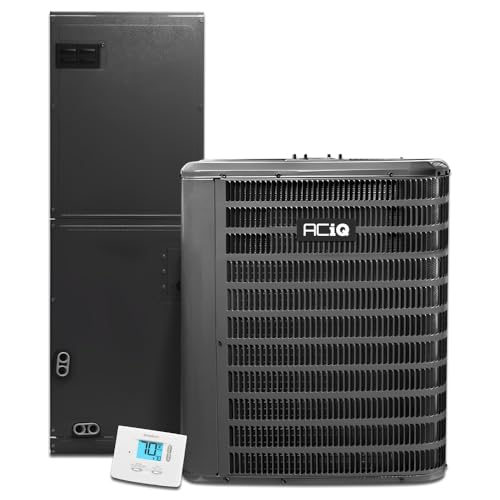
2.5 Ton 14.5 SEER2 Central Air Conditioner Heat Pump System, 10kW & Thermo | ACiQ R32 Complete Electric Heat Pump Split System, Central AC Heating HVAC Unit with Multi-Positional Air Handler, ECM Blower
Check price on Amazon
Senville Central Air Conditioning System, Heat Pump, 3 Ton, 20kW Aux | 36000 BTU Air Handler and Condenser Included, 208/230V, Whole House Air Conditioner
Check price on Amazon
Goodman 4 TON 14.5 SEER2 Condenser, 80% AFUE 100k BTU (21 inches wide) Furnace with matched downflow coil (GLXS4BA4810,CAPTA6030C3,GD9T801005CX) Free thermostat included.
Check price on Amazon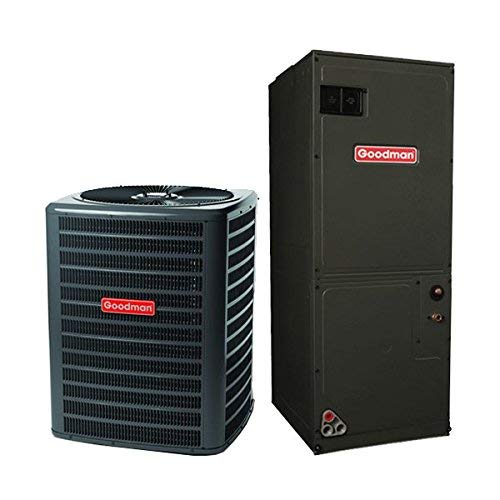
Goodman 2.5 Ton 14.5 SEER2 Heat Pump System (AC and Heat) GLZS4BA3010 - AMST30BU1300
Check price on Amazon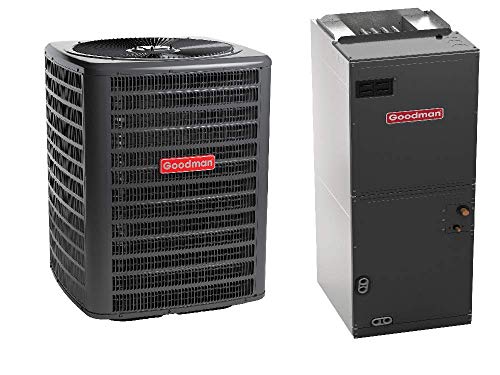
Goodman 2.5 Ton 14.3 SEER2 Heat Pump System with Multi Position Air Handler (GLZS4BA3010 and AMST30BU1300)
Check price on Amazon
MrCool SEER2 VERSAPRO Central Ducted Split System | 4 Ton 16 SEER2 Heat Pump Multiposition R454B 35ft Line Set
Check price on Amazon
Rellytech Mini Split AC/Heating System, 18000 BTU, 19 SEER2 208-230V | Ductless air conditioner, energy efficient, pre-charged system, up to 1250sq.ft coverage, inverter heating and cooling
Check price on AmazonDisclaimer
Some of the content on this site uses AI assistance. Information is provided for educational purposes only. We are not responsible for any losses resulting from the use of this information. By using this site, you waive any right to bring legal claims against us arising from your use of the information provided. If you do not agree, please do not use this site. Read the full disclaimer.