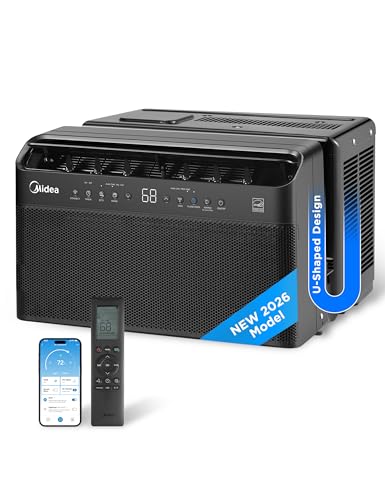
Window AC Unit Not Blowing Cold Air? Here's How to Fix It
A window air conditioner that runs but fails to cool is frustrating. Before calling a technician, walk through these proven troubleshooting steps to identify the root cause and restore cold airflow.
Quick diagnosis: Most "not cooling" complaints trace back to one of five issues — a clogged air filter, a dirty condenser coil, inadequate power, a faulty thermostat, or low refrigerant. Start with the simplest checks before assuming a major failure.
Why Your Window AC Runs But Won't Cool
A window air conditioner moves heat from inside your room to the outdoors using a closed refrigerant loop. The fan blows indoor air across cold evaporator coils, while the outdoor half rejects heat through condenser coils. When any part of that cycle is disrupted — airflow restrictions, electrical faults, or refrigerant loss — the unit may still blow air but that air will feel warm or room-temperature rather than cold.
Before you assume the worst, check the basics. A surprising number of window air conditioner not cooling properly cases are resolved by cleaning filters or resetting a thermostat. If you have already read our general window air conditioner not blowing cold air overview, this guide goes deeper into diagnosis and repair.
7 Common Causes and Their Fixes
1. Clogged Air Filter
A dust-choked filter blocks airflow across the evaporator coil, reducing cooling capacity and freezing the coil. Remove the filter, wash it with mild soap, rinse, and let it dry completely before reinstalling. Clean it every two to four weeks during heavy use.
2. Dirty Condenser Coils
The outdoor-facing coils release heat. When coated with dust, lint, or pollen, heat exchange stalls and the unit can't cool. Unplug the unit, gently brush the fins, and spray with a coil cleaner. Rinse carefully and let everything dry before plugging back in.
3. Frozen Evaporator Coil
If you see ice on the indoor coil or the unit cycles on and off rapidly, the coil is likely frozen. Turn the unit off, let it thaw completely (at least a few hours), then clean the filter and verify the fan runs freely before restarting.
4. Faulty Thermostat or Sensor
A thermostat set too high, or a faulty temperature sensor, prevents the compressor from engaging. Check that the setpoint is at least 15°F below room temperature. If the compressor never starts, the sensor or control board may need replacement.
5. Power Supply Issues
Window ACs draw significant current. A weak outlet, tripped breaker, or damaged cord prevents the compressor from starting. Verify the outlet is on a dedicated circuit, test with another appliance, and inspect the plug for scorching or damage.
6. Low Refrigerant or Leak
If the fan runs and the unit is clean but air stays warm, refrigerant may have leaked. A professional must locate the leak, repair it, and recharge the system. Refrigerant handling requires EPA certification, so call a technician.
7. Compressor Failure
If the unit hums but does not cool, and you hear no compressor cycling, the compressor may have failed. A technician can test the start capacitor and compressor windings. Compressor replacement is often not economical on entry-level units.
Step-by-Step Troubleshooting Checklist
- Confirm the symptom: Is the unit blowing warm air, no air, or cycling on and off? Each points to a different cause. Note whether the compressor is running (listen for a low hum).
- Check the thermostat setting: Lower the setpoint 10–15°F below room temperature. If the compressor never engages, move to the electrical checks.
- Clean or replace the air filter: Remove the front grille and wash the filter. A dirty filter is the most common cause of reduced cooling.
- Inspect the evaporator coil for ice: If ice is present, turn the unit off and let it thaw for several hours. Do not attempt to chip ice off.
- Clean the condenser coil: With the unit unplugged, brush and rinse the outdoor coil. Remove debris from around the exterior of the unit.
- Verify power: Test the outlet with a lamp, check the circuit breaker, and inspect the power cord for damage. Window ACs often need a dedicated 15A or 20A circuit.
- Listen for the compressor: A click followed by silence suggests a failed start capacitor. Continuous humming with no cooling may indicate a seized compressor.
- Check for refrigerant leaks: Oily residue around fittings, frost at the coil, or hissing sounds suggest a leak. This requires a licensed technician.
- Reset the unit: Unplug for 5 minutes, then plug back in. Some digital models have a reset button on the plug or control panel.
- Call a professional: If all above steps fail and the unit still doesn't cool, schedule an HVAC technician to diagnose refrigerant and compressor issues.
Symptom → Likely Cause Reference
| Symptom | Most Likely Cause | First Action |
|---|---|---|
| Runs but air is warm | Dirty filter, low refrigerant, or faulty thermostat | Clean filter, verify setpoint, then call tech if no improvement |
| Compressor won't start | Failed capacitor, tripped breaker, or bad thermostat | Check breaker and outlet; test capacitor if comfortable |
| Ice on indoor coil | Restricted airflow or low refrigerant | Thaw unit, clean filter and coil, then retest |
| Short cycling | Oversized unit, faulty sensor, or dirty condenser | Clean condenser, check thermostat placement |
| Water leaking inside | Clogged drain or tilted unit | See leaking water inside house guide |
| Strange noise with no cooling | Failed compressor or fan motor | Turn off and call technician |
When to Repair vs Replace
Window AC units are generally reliable, but repairs can be less economical as units age. Consider these factors:
- Age of unit: Most window ACs last 8–12 years with proper maintenance. If yours is beyond that range and needs a compressor or refrigerant repair, replacement is usually the better long-term investment.
- Type of repair: Filter cleaning, coil cleaning, and thermostat replacement are simple fixes. Compressor or refrigerant work requires a licensed technician and often approaches the value of a new mid-range unit.
- Efficiency tier: A premium or high-end tier unit with a high SEER2 rating may be worth repairing. An entry-level unit that needs major repairs is typically better replaced.
- Frequency of repairs: If the unit has needed multiple repairs in recent seasons, replacement reduces future downtime.
If you are shopping for a replacement, explore window air conditioner options and consider an inverter technology model for smoother, more efficient cooling.
Preventive Maintenance to Keep Cold Air Flowing
Most "not cooling" problems are preventable. Schedule these tasks:
- Monthly: Wash or replace the air filter. Vacuum the front grille.
- Seasonally: Clean the condenser coil and check the outdoor drain holes for blockages.
- Annually: Inspect the power cord, test the outlet, and tighten mounting brackets. See our window AC bracket support guide if the unit feels unstable.
- Before summer: Run the unit for 15 minutes to confirm the compressor engages and cold air flows.
If you notice the unit is not cooling but the fan is running, our dedicated fan-running-no-cooling guide offers additional diagnostics specific to that symptom.
Frequently Asked Questions
Why is my window AC blowing warm air after cleaning the filter?
If the filter is clean but air is still warm, the issue is likely the condenser coil, low refrigerant, or a faulty thermostat. Check that the outdoor coil is clean and that the compressor is actually running. If the compressor never engages, the capacitor or control board may need service.
Can I recharge a window AC myself?
No. Refrigerant handling requires EPA Section 608 certification, and window units are sealed systems that require special equipment to diagnose leaks and recharge. Attempting DIY refrigerant work is unsafe and illegal in most jurisdictions. Call a licensed technician.
How long should a window AC take to cool a room?
A properly sized unit should drop room temperature noticeably within 15–30 minutes. If the room still feels warm after an hour of continuous operation, the unit is undersized, the filter is dirty, or there is a mechanical fault.
Why does my window AC freeze up?
Frozen coils are caused by restricted airflow (dirty filter or blocked vents) or low refrigerant. Turn the unit off, let it thaw completely, clean the filter, and retest. If the coil freezes again within hours, suspect a refrigerant leak and call a technician.
Is it normal for a window AC to stop cooling when it rains?
Window ACs are designed for outdoor exposure, but heavy rain can cause electrical issues if the unit is not properly sealed. If the unit stops cooling during rain, check the outlet and cord for moisture. Persistent issues may indicate a failing compressor or control board.
Need Help Choosing a Reliable Replacement?
If repair is no longer worthwhile, compare window AC units by cooling capacity, efficiency rating, and installation requirements before you commit.
Explore Window AC Options