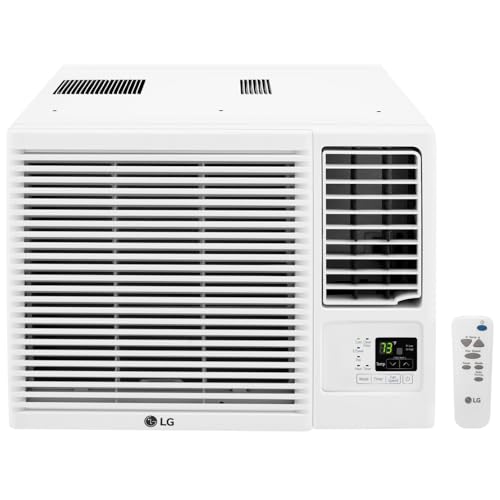
Window Air Conditioner Not Cooling Properly? Here Is What to Do
Your window AC is running but the room stays warm. This practical troubleshooting guide explains the most common causes, the fixes you can do yourself, and when it is time to call a licensed technician.
Start TroubleshootingWhy Is My Window AC Not Cooling Properly?
Window air conditioners are compact, self-contained cooling systems. They pull warm indoor air across a cold evaporator coil, absorb heat, and release that heat outdoors through the condenser coil. When any part of that loop is disrupted, cooling performance drops. The symptom is usually the same: the unit runs, the fan blows, but the air is not cold enough.
Before assuming the worst, it helps to understand that most cooling problems fall into three categories: airflow restrictions, refrigerant circuit issues, and electrical or component failures. The first category is by far the most common, and it is also the easiest to fix. If you suspect a refrigerant or electrical problem, avoid opening the sealed system yourself and refer to a qualified technician.
1. Dirty Air Filter
A clogged filter chokes airflow across the evaporator coil, reducing cooling capacity and causing the coil to freeze.
2. Blocked Condenser Coils
Dust and debris on the outdoor-facing coils prevent heat from escaping, which lowers cooling efficiency.
3. Frozen Evaporator Coil
Low airflow or low refrigerant can freeze the indoor coil. Ice blocks the coil and the unit stops cooling.
4. Incorrect Thermostat Settings
A fan-only mode, a high setpoint, or a faulty thermostat can make the unit run without producing cold air.
5. Low Refrigerant Charge
A slow leak reduces the refrigerant charge. Cooling drops and the compressor may cycle or overheat.
6. Faulty Compressor or Capacitor
If the compressor does not start, the fan may still run while no cooling takes place. This needs professional diagnosis.
7. Poor Air Sealing Around the Unit
Gaps around the window frame let hot outdoor air back in, so the unit appears to underperform.
8. Undersized Unit for the Room
A unit that is too small for the square footage will run continuously without reaching the desired temperature.
Step-by-Step Troubleshooting Checklist
Work through these steps in order. Each one is safe to perform without special tools, and most cooling problems are resolved before you reach the later steps.
- Confirm the unit is in cool mode. Check that the thermostat is set to cooling, not fan-only, and that the setpoint is at least a few degrees below the current room temperature.
- Clean or replace the air filter. Remove the filter, rinse it with lukewarm water if washable, dry it completely, and reinstall. Replace disposable filters as needed. This single step resolves a large share of cooling complaints.
- Inspect the evaporator coil. With the unit off, look at the indoor coil behind the filter. A layer of dust reduces heat transfer. Clean gently with a soft brush or coil cleaner.
- Check the condenser coil outdoors. From the outside, remove debris, leaves, and lint from the coil fins. Do not bend the fins. A soft brush or vacuum with a brush attachment works well.
- Look for ice on the coil. If you see frost or ice, turn the unit off and let it thaw completely before restarting. If it refreezes after cleaning, suspect low refrigerant or a blower problem.
- Verify airflow at the vents. Weak airflow suggests a dirty filter, a failing blower, or a blocked duct path. Strong airflow with warm air points toward the refrigerant circuit or compressor.
- Listen to the compressor. A humming compressor that does not start, or a unit that trips the breaker, indicates an electrical or capacitor fault. Stop using the unit and call a technician.
- Seal the window opening. Use the installation kit, foam, or weatherstripping to close gaps around the unit so hot outdoor air cannot re-enter the room.
- Reassess room sizing. If the unit is small for the room or the space is very sunny, a higher-capacity model may be the real solution. See our guide to choosing a window air conditioner for a small room for sizing guidance.
Symptom-to-Cause Quick Reference
Use this table to match what you are observing with the most likely cause. It helps you prioritize which fix to try first.
| Symptom | Most Likely Cause | Recommended Action |
|---|---|---|
| Fan runs, air is warm | Dirty filter, frozen coil, or low refrigerant | Clean filter, thaw coil, then test |
| Weak airflow from vents | Clogged filter or failing blower | Replace filter; inspect blower if airflow stays weak |
| Ice on the indoor coil | Restricted airflow or low charge | Thaw, clean, retest; call a technician if it recurs |
| Compressor will not start | Capacitor or compressor fault | Stop using the unit and call a technician |
| Unit trips the breaker | Electrical fault or short circuit | Unplug and call a licensed electrician or HVAC technician |
| Room never reaches setpoint | Undersized unit or poor window sealing | Seal gaps; consider a higher-capacity unit |
Maintenance Habits That Keep Your Window AC Cooling
Preventive maintenance is the most reliable way to avoid cooling problems. A few simple habits each season will keep your unit performing at its rated capacity.
- Clean the filter every two to four weeks during peak cooling season.
- Inspect and clean the condenser coil at the start of each cooling season.
- Check the window seal and the installation kit for gaps or sagging.
- Keep the outdoor side of the unit clear of obstructions and debris.
- Listen for unusual noises and address them early before they become failures.
- Schedule professional servicing if the unit is older and has never been inspected.
If you are comparing replacement options, our overview of window air conditioners covers the main categories, and the guide to window air conditioners with inverter technology explains how variable-speed models can deliver steadier cooling.
When to Repair and When to Replace
If the unit is relatively new and the problem is a dirty filter, blocked coil, or loose seal, repair is straightforward. If the compressor has failed, the refrigerant circuit is leaking, or the unit is well past its expected service life, replacement is often the more sensible path. As a general rule, when the repair involves the sealed refrigerant system on an older unit, the long-term value of a new, more efficient model tends to be higher.
For readers who are still deciding on a model, our page on window units provides a broad starting point. If the unit is mounted in an unusual opening, the guides on window air conditioners for sliding windows and window air conditioners for vertical windows explain compatible configurations.
Frequently Asked Questions
Why is my window air conditioner running but not cooling?
A window AC that runs but does not cool is usually caused by a dirty air filter, blocked condenser coils, low refrigerant, a failing compressor, or incorrect thermostat settings. Start by cleaning the filter and checking airflow before calling a technician.
Can a dirty filter stop a window AC from cooling properly?
Yes. A clogged filter restricts airflow across the evaporator coil, which reduces cooling capacity and can cause the coil to freeze. Cleaning or replacing the filter is the first and simplest step to restore proper cooling.
How often should I clean my window AC filter?
Clean the filter every two to four weeks during heavy cooling season, and at least once a month in normal use. Washable filters can be rinsed with lukewarm water and fully dried before reinstalling.
Why does my window AC freeze up and stop cooling?
Frozen coils usually result from restricted airflow, a dirty filter, low refrigerant charge, or a malfunctioning blower. Turn the unit off, let the ice melt, clean the filters and coils, then test. If it freezes again, a refrigerant or component issue is likely.
When should I call a professional for a window AC that is not cooling?
Call a professional if cleaning the filter and coils does not help, if you suspect a refrigerant leak, if the compressor does not start, or if the unit trips the breaker. Refrigerant handling and electrical repairs require licensed technicians.
Still Not Cooling After the Checklist?
If the basic fixes do not restore cold airflow, compare replacement options or consult a licensed HVAC technician before the cooling season peaks.
Explore Replacement Options