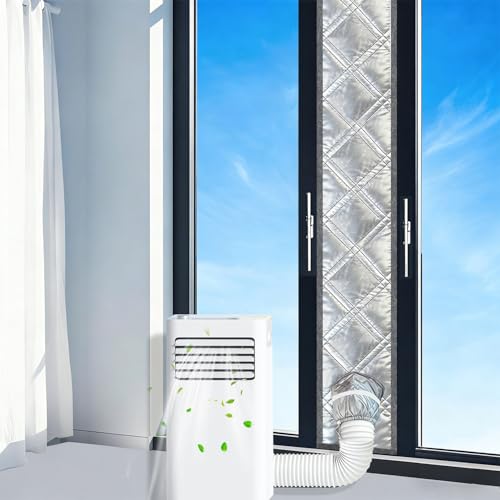
Window Air Conditioner for Sliding Glass Door
Sliding glass doors are common in modern homes, but their wide, horizontal openings make traditional window AC installation tricky. This guide explains the safest, most effective ways to cool a room that has a sliding glass door — from specialized sliding-door kits to portable and casement alternatives.
Explore SolutionsWhy this matters: A standard window air conditioner is designed to sit in a double-hung window where the lower sash clamps down on the unit. A sliding glass door opens sideways, so there is no sash to secure the unit. Forcing a standard window AC into a sliding door is unsafe and often voids the warranty. Instead, you need a sliding-glass-door-compatible solution — a portable AC with a door kit, a specialized slider window AC, or a mini-split system.
Can You Install a Window AC in a Sliding Glass Door?
Technically, you cannot install a conventional window-mounted air conditioning unit directly into a sliding glass door track without modification. The door's vertical frame and horizontal sliding mechanism do not provide the compression seal that a double-hung window offers. However, there are three proven approaches that work:
- Portable AC with a sliding door kit — the most popular and renter-friendly solution. A fabric or rigid panel seals the open gap while the exhaust hose vents outdoors.
- Casement/slider window AC — a unit designed for horizontal sliding windows. It fits into the door's side opening if the frame depth and height match the unit's specifications.
- Ductless mini-split system — a permanent, high-efficiency option that requires no window or door opening at all.
If your opening is actually a horizontal sliding window rather than a door, see our dedicated guide on window air conditioners for sliding windows, which covers the narrower sash-style units in more detail.
Three Practical Solutions Compared
1. Portable AC + Sliding Door Kit
Best for renters and flexible setups. The kit includes a fabric panel or adjustable rigid panel that seals the door opening around the exhaust hose. No permanent modification is needed, and the unit can be moved between rooms. Look for a kit that matches your door height (typically 80 inches). Related reading: window panel for portable air conditioner and universal adjustable window sealing plate.
2. Slider / Casement Window AC
A horizontal-fit AC unit that slides into the door's side opening and is secured with a top bracket and side accordion panels. This is a more permanent, self-contained option with better cooling capacity than most portable units. Verify the door frame depth (usually 3–6 inches) and the opening height before choosing. See also window air conditioner for sideways windows for the same horizontal-fit principle.
3. Ductless Mini-Split
The premium long-term solution. A mini-split needs only a small wall hole for refrigerant lines, so the sliding glass door stays fully functional. It delivers the quietest operation and highest efficiency. Explore ductless mini-split air conditioning systems and mini-split units for sale to compare configurations.
Solution Comparison at a Glance
| Solution | Tier | Best For | Installation Effort | Portability |
|---|---|---|---|---|
| Portable AC + door kit | Entry-level to mid-range | Renters, temporary cooling, bedrooms | Low — no tools required | High |
| Slider / casement window AC | Mid-range | Permanent room cooling, living rooms | Moderate — bracket and seal needed | Low |
| Ductless mini-split | Premium to top-tier | Whole-room comfort, long-term use | High — professional install recommended | None (fixed) |
How to Size the AC for Your Room
Cooling capacity is measured in BTU (British Thermal Units). Undersizing leaves the room warm; oversizing causes short cycling, poor humidity removal, and uneven comfort. Use this general room-size guide as a starting point:
| Room Size | Recommended Capacity | Typical Use |
|---|---|---|
| Up to 150 sq ft | 5,000 – 6,000 BTU | Small bedroom, home office |
| 150 – 250 sq ft | 8,000 – 10,000 BTU | Medium bedroom, small living room |
| 250 – 400 sq ft | 12,000 – 14,000 BTU | Large bedroom, open living area |
| 400 – 550 sq ft | 15,000 – 18,000 BTU | Studio apartment, large living room |
Adjust upward for a sunny southern exposure, a kitchen with appliances, or an uninsulated room. Adjust downward for heavy shade. For high-humidity climates, a unit with a strong dehumidification mode matters as much as raw capacity — see our guide on cooling systems for humid climates for context on how humidity affects perceived comfort.
Step-by-Step: Installing a Portable AC in a Sliding Glass Door
This is the most common real-world scenario for a sliding glass door. Follow these steps for a safe, sealed installation:
- Step 1 — Measure the opening. Note the height and width of the door opening, and the depth of the track. Most sliding-door kits support openings up to about 80 inches tall.
- Step 2 — Choose the panel type. Fabric panels are lighter and easier to store; rigid PVC panels seal more tightly and look cleaner. Both attach to the door frame with adhesive strips or tension rods.
- Step 3 — Position the AC unit. Place the portable AC near the door, leaving clearance for airflow as specified in the manual. Keep the exhaust hose as short and straight as possible.
- Step 4 — Seal the panel around the hose. Route the exhaust hose through the panel's hose port and zip or clamp it closed. Any gap leaks hot outdoor air back in.
- Step 5 — Lock the door. Use a door lock or a security bar so the sliding door cannot be opened from outside. The panel itself is not a security barrier.
- Step 6 — Drain condensate. In humid weather, empty the water tank regularly or connect a gravity drain hose. A unit that shuts off unexpectedly is often full of water — see AC leaking water solutions for troubleshooting.
If you are instead installing a horizontal slider window AC into the door opening, the unit must be supported by a proper bracket and tilted slightly outward so condensate drains outside. Never rely on the door frame alone to carry the unit's weight.
Features That Matter for Sliding Door Setups
Exhaust Hose Length and Diameter
A shorter hose (5–7 feet) is more efficient because less heat is reabsorbed. Check that the included hose diameter matches the panel port — mismatched diameters cause leaks and reduce cooling.
Dual-Hose vs Single-Hose
Dual-hose portable units draw intake air from outside and exhaust hot air outside, creating balanced pressure. Single-hose units pull room air out, which can draw hot air in through gaps. Dual-hose models are generally more efficient for larger spaces.
Dehumidification Mode
Sliding glass doors are often in living areas near kitchens or patios where humidity builds up. A dedicated dehumidify mode keeps the space comfortable even at moderate temperatures.
Auto-Evaporation
Models with auto-evaporation recycle condensate to cool the condenser, reducing how often you need to empty the tank. Useful for rooms where the unit runs all day.
Noise Level
Portable units run louder than window units because the compressor sits in the room. Look for sound ratings under about 55 dB for bedrooms. See our bedroom air conditioner guide for quiet-operation priorities.
Energy Efficiency
Compare CEER or EER ratings rather than wattage alone. Higher-efficiency units cost more upfront but use less electricity over a season. Read more on window air conditioner energy efficiency ratings.
Maintenance Tips for Door-Mounted Cooling
- Clean the filter every two weeks. Portable and window units in living areas collect dust and pet hair quickly; a clogged filter cuts cooling capacity noticeably.
- Inspect the door panel seal seasonally. Adhesive strips weaken over time, and a loose panel lets hot air in. Re-tape or replace the panel at the start of each cooling season.
- Check the exhaust hose for kinks. A bent hose traps hot air and can overheat the compressor. Keep bends gentle and route the hose as directly as possible.
- Drain and dry before storage. At the end of the season, empty the tank, run the unit in fan-only mode for an hour, and store it upright.
- Watch for unusual noise or reduced airflow. These are early signs of a dirty condenser or failing fan. Our things to check when AC is not cooling checklist covers the first diagnostics.
Common Mistakes to Avoid
Forcing a Standard Window AC into the Door
A double-hung window AC has no way to clamp onto a sliding door track. The unit can tip, fall, or leak water indoors. Use a door-specific kit or a horizontal-fit unit instead.
Leaving Gaps Around the Panel
Even a two-inch gap around the exhaust hose can pull in enough hot outdoor air to cancel much of the cooling. Seal every edge of the panel.
Skipping the Door Lock
A sliding door with a vent panel is a security weak point. Always use a secondary lock or security bar when the AC is installed.
Oversizing for the Space
A larger unit cools the air quickly but leaves humidity behind, making the room feel clammy. Match capacity to room size and climate.
Ignoring the Door Track Depth
Some panels and slider units need a minimum track depth to sit securely. Measure before ordering to avoid a return.
Blocking the Outdoor Exhaust
Patio furniture, plants, or a closed screen can trap hot exhaust near the door. Keep at least a few feet of clearance outside the vent.
Frequently Asked Questions
Can I use a regular window air conditioner in a sliding glass door?
Not safely without modification. A standard double-hung window AC relies on the lower sash pressing down to secure it. A sliding glass door has no sash, so the unit cannot be clamped in place. Use a portable AC with a door kit, a horizontal slider/casement unit, or a mini-split instead.
What is the best type of AC for a sliding glass door?
For most homes, a portable AC with a dedicated sliding-door panel is the most practical choice. It requires no permanent modification, works in rentals, and can be moved between rooms. For a permanent living-room installation, a horizontal slider window AC or a ductless mini-split offers better efficiency and quieter operation.
How do I seal the gap around the exhaust hose?
Most sliding-door kits include a fabric or rigid panel with a hose port. Attach the panel to the door frame with adhesive strips or tension, route the hose through the port, and zip or clamp the port closed. Seal any remaining edges with weatherstripping or foam tape.
Will a portable AC cool an entire living room through a sliding door?
It depends on capacity and layout. A 12,000–14,000 BTU portable unit can cool an open living area of roughly 250–400 square feet if the space is reasonably sealed. For larger or open-plan rooms, a mini-split or a higher-capacity slider unit is more effective.
Do I need a special panel for a tall sliding door?
Yes — standard kits often support openings up to about 80 inches. For taller doors, look for an adjustable panel kit or a fabric panel that can be trimmed to length. Measure the full opening height before ordering.
Is a mini-split better than a portable AC for a sliding door?
A mini-split is more efficient, quieter, and does not block the door at all. However, it requires professional installation and a wall penetration for refrigerant lines. A portable AC is the better fit for renters or temporary setups.
How often should I empty the portable AC water tank?
In humid conditions, daily or every other day. Units with auto-evaporation need less frequent emptying. If the unit shuts off unexpectedly during humid weather, a full tank is the most likely cause.
Can I leave the sliding door open with the AC running?
No. The door must be closed against the vent panel so the panel seals the opening. The only opening should be the exhaust hose port. Leaving the door open defeats the cooling entirely.
Ready to Choose the Right Unit?
Compare the recommended air conditioners below, matched for sliding glass door setups and the room sizes covered in this guide.
View RecommendationsRelated Guides
- Window air conditioner for sliding windows — horizontal-fit units explained.
- Window air conditioner for sideways windows — installation tips for narrow openings.
- Window-mounted air conditioning unit — the basics of window AC installation.
- Window panel for portable air conditioner — choosing and sealing a vent panel.
- Universal adjustable window sealing plate — flexible panel options.
- Portable AC that does not need a window — alternative venting methods.
- Ductless mini-split air conditioning systems — permanent, efficient cooling.
- Window air conditioner energy efficiency rating — understanding efficiency labels.
- AC maintenance guide — seasonal care for any unit type.
- Bedroom air conditioner — quiet cooling for sleeping spaces.
- Outdoor cooling system for humid climates — humidity and comfort context.
- Things to check when AC is not cooling — first-step troubleshooting.