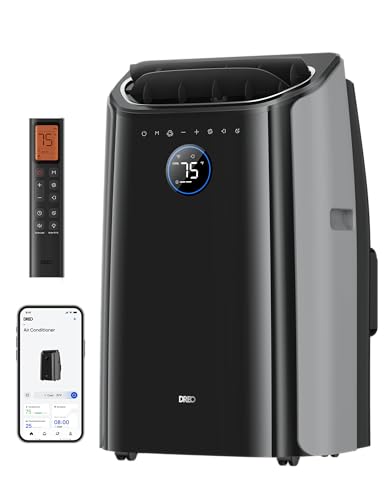
10,000 BTU Cooling Area: What Size Room Does It Cover?
Understand exactly how much space a 10,000 BTU air conditioner can cool. This guide explains the typical square footage, real-world factors that affect performance, and how to match a 10,000 BTU unit to your room for efficient, comfortable cooling.
START THE GUIDEQuick answer: A 10,000 BTU air conditioner is generally rated to cool an area of 350 to 450 square feet. That covers a typical medium bedroom, a small living room, a large home office, or a studio apartment. However, the real cooling area depends on ceiling height, insulation, sun exposure, window area, occupant load, and appliance heat — all of which this guide breaks down so you can choose with confidence.
What Does 10,000 BTU Actually Mean?
BTU stands for British Thermal Unit, and it measures the amount of heat an air conditioner can remove from a room in one hour. A 10,000 BTU unit removes 10,000 BTUs of heat per hour — a rating that sits in the middle of the residential cooling range. For context, small window units start around 5,000 BTU, while whole-home central systems can exceed 60,000 BTU. The 10,000 BTU class is one of the most popular because it balances cooling power with manageable electrical requirements and a compact form factor.
This capacity is available across multiple product categories: window units, portable units, through-the-wall models, and ductless mini-splits. If you are still comparing form factors, our guide to 10,000 BTU window air conditioner units and the overview of 10,000 BTU portable air conditioners explain the practical differences between them.
Standard 10,000 BTU Cooling Area Chart
The table below shows the typical square footage a 10,000 BTU unit can cool under average conditions — standard 8-foot ceilings, moderate insulation, and average sun exposure. Use it as a starting baseline, then adjust using the factors in the next section.
| Room Type | Typical Square Footage | Suitability for 10,000 BTU |
|---|---|---|
| Small bedroom / nursery | 100 – 200 sq ft | Oversized — consider 6,000–8,000 BTU |
| Medium bedroom / home office | 250 – 350 sq ft | Good match, with margin for heat load |
| Large bedroom / studio apartment | 350 – 450 sq ft | Ideal — the sweet spot for this capacity |
| Small living room / dining area | 400 – 450 sq ft | Suitable if sun exposure is moderate |
| Open-plan living / kitchen combo | 450 – 550 sq ft | Borderline — step up to 12,000 BTU |
Real-World Factors That Change the Cooling Area
Square footage alone is not enough. The same 10,000 BTU unit can feel perfectly balanced in one room and struggle in another of identical size. These are the variables that matter most:
- Ceiling height: Rooms with ceilings above 8 feet have more cubic air volume. Add roughly 10% capacity for every additional foot of ceiling height.
- Sun exposure: South- and west-facing rooms with large uncovered windows gain significantly more heat. Shade, blinds, or a slightly larger unit may be needed.
- Insulation quality: Older homes with poor wall or attic insulation lose cooling faster and may require a unit rated for a smaller nominal area.
- Window area and glass type: Single-pane windows and large glass walls act as heat magnets. Double-pane, low-emissivity glass reduces the load.
- Occupant count: Each person adds roughly 400–600 BTU of heat. A room used by several people regularly needs extra capacity.
- Kitchen and appliance heat: Open-plan kitchens with ovens, stoves, or multiple electronics raise the load substantially.
- Climate zone: Homes in hot, humid climates need more capacity to remove both heat and moisture than homes in dry, moderate climates.
- Air leakage: Gaps around doors and windows let cooled air escape and warm air enter, effectively shrinking the usable cooling area.
If you are working through a sizing decision for a specific room configuration, the guide on 10,000 BTU air conditioner room size walks through the math step by step, and the broader method is covered in how to size an air conditioner.
Choosing the Right 10,000 BTU Form Factor
The cooling area stays roughly the same across form factors, but installation requirements, portability, and efficiency differ. Here is how the main categories compare for a 10,000 BTU application:
| Category | Best For | Considerations |
|---|---|---|
| Window unit | Rooms with a compatible double-hung window | Efficient, space-saving, but limited by window size and orientation |
| Portable unit | Renters and rooms without window mounting options | Flexible placement, but requires venting and takes floor space |
| Through-the-wall unit | Permanent installations in wall sleeves | Clean look, no window obstruction, but requires a wall opening |
| Ductless mini-split | Whole-room comfort with quiet operation | Higher installation effort, but superior efficiency and zoning |
If you are exploring a mini-split option, our mini air conditioner for room guide covers capacity matching, and the 10,000 BTU room size reference gives a quick capacity cross-check. For window and wall installations, the 10,000 BTU through-the-wall air conditioner overview and the 10,000 BTU air conditioner for small window guide address fit and clearance details.
Efficiency Matters as Much as Capacity
A correctly sized 10,000 BTU unit will cool effectively, but how efficiently it does so depends on its technology and rating. Inverter-driven compressors modulate speed instead of cycling on and off, which improves temperature stability and reduces energy waste. If you are deciding between compressor types, the comparison of inverter AC vs non-inverter explains the trade-offs in comfort, noise, and long-term efficiency.
For shoppers who want to minimize energy use, models carrying the ENERGY STAR label are worth prioritizing. Our guide to the 10,000 BTU ENERGY STAR air conditioner explains how certified units are tested and what efficiency gains to expect. The overview of 10,000 BTU energy star air conditioner options adds detail on seasonal efficiency ratings and real-world consumption.
Portable units deserve a special note: dual-hose designs outperform single-hose models because they avoid pulling unconditioned air into the room. The 10,000 BTU dual hose portable air conditioner guide explains why this matters for both comfort and efficiency.
Installation and Electrical Considerations
Most 10,000 BTU window and portable units run on standard 115-volt household circuits, typically requiring a dedicated 15-amp or 20-amp breaker. Larger or heat-pump-equipped models may draw more current. Before installing, verify your outlet and breaker capacity, especially in older homes. The 110V vs 240V air conditioner guide explains voltage requirements, and the 10,000 BTU 115-volt window air conditioner overview covers plug type and circuit needs.
For window installations, measure the window opening carefully. Casement windows require a specialized bracket, and very narrow openings may not fit a standard 10,000 BTU chassis. The small window sizing guide and the 10,000 BTU casement window air conditioner reference help confirm compatibility before purchase. If you are considering a heat-capable unit for year-round use, the 10,000 BTU window air conditioner with heat guide covers the added electrical and installation implications.
Common Mistakes to Avoid When Sizing a 10,000 BTU Unit
Oversizing and undersizing are both problems. An undersized unit runs continuously without reaching the set temperature, while an oversized unit cools too quickly and shuts off before it can remove humidity — leaving the room cold and clammy. The guide on what happens if an AC is too big or too small explains the symptoms of each and how to correct them.
- Ignoring humidity: In humid climates, capacity must account for latent heat removal, not just temperature drop.
- Using only square footage: Ceiling height, sun, and occupancy can shift the effective load by 20–30%.
- Skipping the electrical check: A dedicated circuit is often required; sharing an outlet can trip breakers.
- Poor placement: Blocked airflow or direct sun on the unit reduces performance regardless of capacity.
- Not sealing the room: Gaps around windows and doors waste capacity and increase run time.
Maintenance Tips to Preserve Cooling Performance
A 10,000 BTU unit delivers its rated cooling area only when it is clean and well maintained. Clogged filters reduce airflow, forcing the compressor to work harder and reducing effective capacity. Clean or replace filters monthly during peak season, and schedule professional servicing annually if the unit is a permanent installation. The HVAC cleaning and service guide covers the maintenance checklist, and the HVAC installation overview explains what a proper setup should include.
If your unit is running but not delivering cold air, the troubleshooting guide on my air conditioner is running but not blowing air walks through the likely causes and fixes before you call a technician.
Frequently Asked Questions
How many square feet does a 10,000 BTU air conditioner cool?
A 10,000 BTU air conditioner typically cools 350 to 450 square feet under average conditions. Rooms with high ceilings, strong sun exposure, or poor insulation may need a slightly larger unit, while shaded, well-insulated rooms can fall at the lower end of that range.
Is 10,000 BTU enough for a bedroom?
Yes, for most medium to large bedrooms. A 10,000 BTU unit is a good match for bedrooms between 250 and 450 square feet. Smaller bedrooms may be over-cooled quickly, so a 6,000–8,000 BTU unit may be more appropriate.
Can a 10,000 BTU unit cool a living room?
It can cool a small to medium living room up to roughly 450 square feet, provided sun exposure and occupant load are moderate. Open-plan living areas that connect to a kitchen often exceed this and may need 12,000 BTU or more.
Does ceiling height change the cooling area?
Yes. A 10-foot ceiling contains about 25% more air volume than an 8-foot ceiling in the same footprint. For rooms with ceilings above 8 feet, add roughly 10% capacity per additional foot of height.
Is a 10,000 BTU portable AC as effective as a window unit?
Capacity is comparable, but performance depends on venting. Dual-hose portable units perform closer to window units because they avoid pulling unconditioned air into the room. Single-hose models can lose efficiency through negative pressure.
What voltage does a 10,000 BTU AC use?
Most 10,000 BTU window and portable units run on 115 volts and require a dedicated 15-amp or 20-amp circuit. Always confirm the electrical rating on the unit and check your breaker capacity before installation.