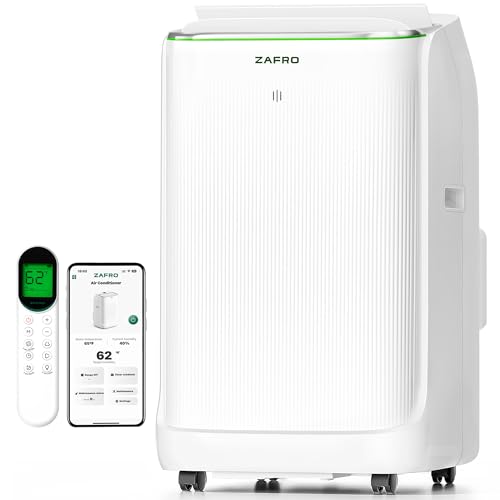
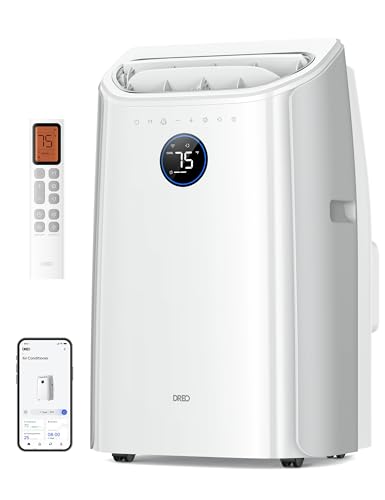
10000 BTU Dual Hose Portable Air Conditioner: The Complete Buyer's Guide
Everything you need to know about cooling power, efficiency, room coverage, and selecting the right dual hose portable unit for your home or office.
Why This Guide Matters: A 10000 BTU dual hose portable air conditioner sits in the sweet spot for medium-sized rooms. Unlike single-hose units, dual hose models draw in outside air to cool the condenser and exhaust heat separately, maintaining indoor pressure and improving overall cooling efficiency. This guide breaks down everything you need to make a confident decision.
What Is a 10000 BTU Dual Hose Portable Air Conditioner?
A 10000 BTU dual hose portable air conditioner is a freestanding cooling unit that uses two separate hoses—one to draw in outside air for the condenser and another to exhaust hot air back outside. This two-hose design prevents the negative pressure problem common with single-hose units, where cooled indoor air is inadvertently pulled outside. The result is more consistent cooling, better energy efficiency, and a more comfortable room environment.
The 10,000 BTU rating indicates the unit's cooling capacity, making it suitable for medium rooms. For context on how BTU relates to room size, you can explore our guide on 10000 BTU cooling area to understand the exact square footage this capacity can handle.
How Dual Hose Technology Works
Understanding the mechanics helps you appreciate why dual hose units outperform their single-hose counterparts:
- Intake Hose: Draws outdoor air into the unit to cool the condenser coil.
- Exhaust Hose: Expels hot air from the condenser back outside.
- Separate Air Paths: The indoor air that gets cooled is kept separate from the outdoor air used for heat exchange.
This separation means the unit does not depressurize your room, which is a common issue with single-hose portable ACs. The cooled air stays inside, and the hot air goes out—exactly as it should. If you are comparing technologies, our article on inverter AC vs non-inverter explains how compressor technology further impacts efficiency and comfort.
Room Size and Cooling Coverage
A 10000 BTU portable air conditioner typically cools rooms between 250 and 400 square feet, depending on ceiling height, insulation, sun exposure, and the number of occupants. Dual hose models maintain their rated capacity more reliably than single-hose units because they do not lose cooling energy to negative pressure.
For a detailed breakdown of how room dimensions and environmental factors affect performance, refer to our guide on 10,000 BTU portable air conditioner room size. If you are also considering window units for similar spaces, our article on 10,000 BTU air conditioner room size provides a useful comparison.
Key Features to Look For
When evaluating a 10000 BTU dual hose portable air conditioner, prioritize these features:
- Dehumidification Mode: Many dual hose units double as dehumidifiers, removing moisture from the air. Learn more in our guide on 10,000 BTU portable air conditioner with dehumidifier.
- Programmable Timer and Remote Control: Convenience features that let you schedule cooling cycles and adjust settings from across the room. See our article on 10000 BTU portable air conditioner with remote for related insights.
- Energy Efficiency: Look for units with a high CEER (Combined Energy Efficiency Ratio). Dual hose designs are inherently more efficient than single-hose models.
- Auto-Evaporation: Some units evaporate condensate water automatically, reducing the need to empty a drain tank.
- Noise Level: Check decibel ratings, especially if the unit will be used in a bedroom or home office.
Dual Hose vs. Single Hose: Why It Matters
Single-hose portable ACs pull cooled indoor air into the unit to cool the condenser, then exhaust it outside. This creates negative pressure, causing warm outside air to seep into the room through gaps and cracks. Dual hose units avoid this problem by using outdoor air for the condenser, preserving the cooled indoor air and maintaining consistent comfort.
The efficiency difference is significant. A dual hose unit often delivers better cooling performance and lower energy consumption over time compared to a single-hose model of the same BTU rating. For broader context on efficiency ratings, our article on 10000 BTU air conditioner ENERGY STAR explains certification requirements and what they mean for your energy usage.
Installation and Setup Considerations
Setting up a dual hose portable air conditioner requires access to a window or sliding door for the hose exhaust system. Most units come with window kits that fit standard vertical or horizontal windows. Key considerations include:
- Window Compatibility: Ensure your window type is compatible with the included kit or plan to purchase an adapter.
- Hose Length and Positioning: Keep hoses as short and straight as possible to maximize airflow efficiency.
- Power Requirements: Most 10000 BTU units run on standard 115V household outlets, but check the amperage to avoid overloading circuits. Our guide on 110V vs 240V air conditioner provides useful context.
- Placement: Position the unit near the exhaust window and away from obstacles that block airflow.
For professional installation guidance, or if you are considering a more permanent solution, explore our article on HVAC installation.
Maintenance Tips for Long-Term Performance
Proper maintenance extends the lifespan and efficiency of your portable air conditioner:
- Clean or replace the air filter every two to four weeks during heavy use.
- Empty and clean the drain tank regularly, or set up continuous drainage if the unit supports it.
- Inspect and clean the condenser coils seasonally.
- Check hoses for kinks, tears, or blockages.
- Store the unit properly during off-season months.
For a deeper dive into maintenance routines, our article on HVAC cleaning and service covers best practices that apply to portable units as well.
Portable vs. Other Cooling Solutions
Portable air conditioners offer flexibility that window or central systems cannot match. They are easy to move between rooms, require no permanent installation, and are ideal for renters or spaces without ductwork. However, they do take up floor space and require window access for exhaust.
If you are comparing portable units to window models, our article on 10,000 BTU window air conditioner provides a detailed comparison. For spaces without window access, a mini-split air conditioner without heat pump might be a better long-term solution.
Who Should Choose a 10000 BTU Dual Hose Portable AC?
This type of unit is ideal for:
- Medium-sized rooms (250–400 sq ft) such as bedrooms, living rooms, or home offices.
- Renters who cannot install permanent AC systems.
- Spaces without existing ductwork.
- Homeowners seeking supplemental cooling for specific rooms.
- Anyone who values energy efficiency and consistent cooling over single-hose alternatives.
If you are also considering whole-home solutions, our guide on whole house AC system covers the broader picture.
Frequently Asked Questions
How many square feet does a 10000 BTU dual hose portable AC cool?
Typically 250–400 square feet, depending on ceiling height, insulation, and sun exposure. For precise sizing, refer to our 10000 BTU cooling area guide.
Is a dual hose portable AC better than a single hose?
Yes, dual hose units are more efficient because they do not create negative pressure in the room. They maintain cooling performance better and are less likely to draw in warm outside air.
Can a 10000 BTU portable AC cool multiple rooms?
Portable ACs are designed for single-room cooling. For multi-room or whole-home cooling, a whole house AC system or a multi-zone mini-split is more appropriate.
Do dual hose portable ACs need to be vented outside?
Yes, both hoses must connect to a window or exhaust point. The intake hose draws outside air, and the exhaust hose expels hot air.
How often should I clean the filter?
Every two to four weeks during regular use. Regular cleaning maintains airflow and efficiency. For more maintenance guidance, see our HVAC cleaning and service article.