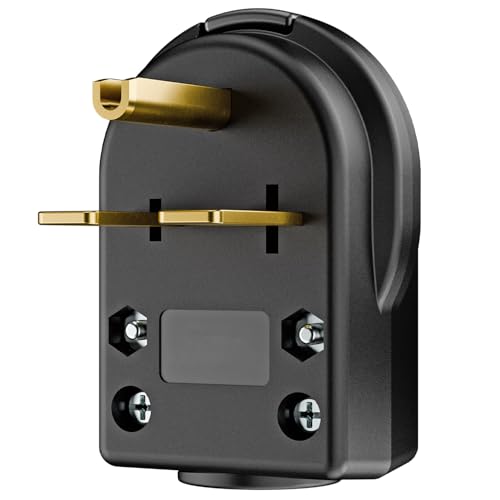
30 Amp AC Plug: The Complete Buyer's and Safety Guide
Everything you need to know about 30 amp AC plugs — NEMA configurations, voltage options, wiring requirements, outlet compatibility, and safe installation practices for high-power air conditioners.
Explore Plug TypesWhy the 30 amp AC plug matters: Larger air conditioners — through-the-wall units, heavy-duty window ACs, and mini-split systems — draw more current than a standard household outlet can safely deliver. The 30 amp plug is the dedicated connection that bridges your AC to a properly sized circuit. Choosing the wrong plug or outlet is not just an inconvenience; it is a genuine electrical hazard. This guide walks you through every configuration, compatibility rule, and safety consideration so you can buy with confidence.
What Is a 30 Amp AC Plug?
A 30 amp AC plug is an electrical connector rated to carry up to 30 amperes of continuous current. It is used to power air conditioning equipment that exceeds the capacity of standard 15 amp or 20 amp household receptacles. In residential settings, 30 amp plugs are most commonly found on through-the-wall air conditioners, large window units, and ductless mini-split systems.
The plug itself is only one part of the system. A complete, safe connection involves four matched components: the AC unit's power cord and plug, the wall receptacle, the circuit breaker, and the wire gauge. All four must be rated for 30 amps and configured for the correct voltage. The plug shape is governed by the National Electrical Manufacturers Association (NEMA) standard, which ensures that a plug physically cannot be inserted into an incompatible outlet.
Homeowners shopping for a 30 amp air conditioner often discover that the unit does not arrive with a plug at all, or arrives with a plug that does not match their existing outlet. Understanding the NEMA configuration system before you buy is the single most effective way to avoid a return, an electrician call, or a safety problem. If you are still comparing cooling capacities, our overview of 15,000 BTU air conditioners explains which classes of equipment typically require a 30 amp circuit.
NEMA 30 Amp Plug Types and Configurations
NEMA designations follow a simple pattern: the first number indicates the series (which encodes voltage and grounding), and the number after the dash indicates the amperage rating. The suffix "L" indicates a locking plug, and the suffix "P" indicates a plug rather than a receptacle. The table below covers the 30 amp configurations you are most likely to encounter when shopping for an air conditioner.
| NEMA Configuration | Voltage | Blade Layout | Common AC Use | Tier Context |
|---|---|---|---|---|
| NEMA 5-30P | 120V | Two flat blades, one grounding pin | Large 120V window and through-the-wall units | Standard residential tier |
| NEMA 6-30P | 240V | Two horizontal flat blades, one grounding pin | 240V through-the-wall and mini-split ACs | Standard residential tier |
| NEMA 14-30P | 240V | Two flat blades plus neutral, one grounding pin | AC units requiring a neutral conductor | Mid-range and high-end tier |
| NEMA L5-30P | 120V | Twisted locking blades | Marine, commercial, and heavy-duty cooling | Commercial-grade tier |
| NEMA L6-30P | 240V | Twisted locking blades | Commercial and professional-grade AC equipment | Professional-grade tier |
Each configuration exists for a reason. The blade layout is a physical safety interlock: a 240V plug cannot be forced into a 120V outlet, and a plug with a neutral cannot be inserted into a receptacle that lacks a neutral slot. Locking variants use a twist mechanism that prevents accidental disconnection in high-vibration or commercial environments.
The tier column above describes the market positioning of the equipment that typically uses each configuration, not the connector itself. A NEMA L6-30P is a professional-grade connector because it is almost exclusively found on commercial-grade cooling equipment. If you are shopping for a heavy-duty unit, our guide to 18,000 BTU through-the-wall air conditioners covers the equipment class that frequently uses the 6-30 configuration.
120V vs 240V 30 Amp Plugs
The voltage rating is the first thing to confirm before purchasing any 30 amp AC plug. A 120V plug and a 240V plug are never interchangeable, even when both carry a 30 amp rating. The difference is not cosmetic — it reflects the electrical supply the air conditioner was designed to accept.
120V 30 Amp Plugs (NEMA 5-30)
A NEMA 5-30 plug delivers 120 volts from a single hot leg, a neutral, and a ground. At 30 amps, this configuration supplies up to 3,600 watts of apparent power. It is used by large window air conditioners and some through-the-wall models that run on standard residential voltage but draw more current than a 20 amp circuit can handle. Because the plug uses a T-shaped neutral blade, it is impossible to insert it into a conventional 15 amp or 20 amp outlet.
240V 30 Amp Plugs (NEMA 6-30 and 14-30)
A 240V 30 amp plug draws from two hot legs and supplies substantially more power to the compressor. The NEMA 6-30 configuration uses two horizontal blades and a ground, while the NEMA 14-30 adds a neutral conductor for equipment that requires one. Most residential 240V air conditioners in this class are wired for 6-30, but you should always verify the nameplate and the included power cord before ordering an outlet. If your home already has a 240 volt receptacle, our explanation of the 240 volt AC plug will help you confirm whether it matches your unit.
Check the Nameplate First
The AC unit's rating plate lists voltage, amperage, and sometimes the required plug type. Match the plug to the nameplate, not to the outlet you happen to have.
Never Use an Adapter
Adapters that convert a 30 amp plug to a 15 amp outlet defeat the safety design and can overload the circuit. There is no safe shortcut here.
Confirm the Receptacle
A 6-30 plug requires a 6-30R receptacle. If your wall has a different configuration, the circuit must be modified by a licensed electrician.
Wiring and Breaker Requirements for 30 Amp AC Circuits
A 30 amp plug is only as safe as the circuit behind it. The circuit breaker, wire gauge, and receptacle must all be rated for 30 amps and matched to the air conditioner's electrical demand. The table below summarizes the standard residential requirements for a dedicated 30 amp AC circuit.
| Circuit Component | Standard Requirement | Notes |
|---|---|---|
| Circuit breaker | 30 amp, single-pole (120V) or double-pole (240V) | Must be dedicated to the AC unit |
| Wire gauge | 10 AWG copper | Confirm with local code and run length |
| Receptacle | NEMA 5-30R, 6-30R, or 14-30R | Must match the plug configuration exactly |
| Grounding | Dedicated equipment ground | Required for all 30 amp configurations |
| Dedication | Dedicated circuit | No other loads on the same breaker |
The 10 AWG copper wire recommendation is the baseline for a 30 amp circuit under typical residential conditions. Long runs, high ambient temperatures, or conduit fill can require a larger gauge, so the final wire size should be confirmed against local electrical code and the manufacturer's installation manual. A dedicated circuit is essential: sharing a 30 amp breaker with other appliances invites nuisance tripping and creates a genuine overload risk.
Installing a new 30 amp circuit, adding a receptacle, or modifying existing wiring generally requires a permit and a licensed electrician in most jurisdictions. Replacing a plug on an existing appliance cord is a smaller task, but it still must follow the manufacturer's instructions and local code. When in doubt, hire a qualified professional.
If you are planning a larger installation, the electrical requirements scale with capacity. Our guide to 220 electrical outlets explains how higher-voltage receptacles differ from standard household outlets, and the 230 volt through-the-wall air conditioner overview covers equipment that typically pairs with a 30 amp 240V circuit.
Matching the Plug to Your Outlet and Air Conditioner
Compatibility is a three-way match between the air conditioner, the plug on its power cord, and the wall receptacle. A mismatch in any one of these links means the unit cannot be safely connected. Use the following checklist before you finalize a purchase.
- Read the AC nameplate. Note the voltage, the running amperage, and the minimum circuit ampacity. The plug type is usually specified in the installation manual.
- Inspect the included cord. Some units ship with a factory-installed plug; others ship with a pigtail or no cord at all. A unit that ships without a plug is intended for hardwired or electrician-installed connection.
- Identify your wall receptacle. Look at the blade slots and compare them to the NEMA chart above. Photograph the outlet and bring the photo when shopping if you are unsure.
- Confirm the breaker. Open the panel and verify that the dedicated breaker is 30 amps and the correct pole configuration for the voltage.
- Plan for the gap. If the unit's plug does not match the outlet, you have two safe options: choose a different AC model, or have a licensed electrician install the correct dedicated circuit.
Buyers often assume that a higher-BTU unit automatically requires a 30 amp plug, but that is not always true. Some large window units are engineered for 20 amp circuits, while some mid-sized through-the-wall units require 30 amps because of compressor startup draw. The capacity class is a starting point, not a guarantee. Our 15,000 BTU window air conditioner with heat guide illustrates how heating and cooling combined in one chassis can change the electrical profile of a unit.
For equipment that is designed to be hardwired rather than plugged in, the plug question does not apply at all. Mini-split systems and central equipment are typically connected through a disconnect box. If you are comparing those categories, the 18,000 BTU mini-split air conditioner heat pump overview explains how those systems are powered.
Installation Safety Tips for 30 Amp AC Plugs
High-current connections demand respect. The following practices reduce the risk of overheating, arcing, and electrical injury. They apply whether you are replacing a plug on an existing cord or commissioning a new installation.
Power Down Before Work
Switch off the dedicated breaker and verify the circuit is de-energized with a tester before touching any wiring. Lock the panel if possible.
Use the Correct Plug Grade
Choose a replacement plug rated for 30 amps and the correct voltage. A 15 amp replacement plug on a 30 amp circuit is a serious fire risk.
Torque Connections Properly
Loose terminal screws are a leading cause of overheating at high current. Follow the manufacturer's torque specification and tug-test each conductor.
Respect the Strain Relief
The cord clamp must grip the outer jacket, not the individual conductors. A proper strain relief prevents pull damage at the terminals.
Keep the Plug Dry
Outdoor or damp-location connections need a weatherproof cover and an in-use rated receptacle. Never leave a 30 amp plug exposed to rain.
Inspect Periodically
Check for discoloration, warmth, or a burning smell at the plug and outlet. Any of these signs means the connection should be evaluated by a professional.
Filing, bending, or cutting blades to force a plug into the wrong outlet destroys the safety interlock and can cause arcing, shock, or fire. If the plug does not fit, the correct solution is a matching receptacle — never a modified plug.
If your air conditioner is not cooling properly after installation, the problem is usually not the plug. Our troubleshooting guide for AC not cooling issues walks through the common causes, from dirty filters to refrigerant problems. Electrical faults should always be diagnosed by a licensed professional.
Frequently Asked Questions About 30 Amp AC Plugs
What is a 30 amp AC plug?
A 30 amp AC plug is an electrical connector rated to carry up to 30 amperes of current, used to power larger air conditioning units such as through-the-wall ACs, heavy-duty window units, and mini-split systems. These plugs are available in 120V and 240V configurations with specific NEMA designations.
What is the difference between NEMA 5-30 and NEMA 6-30?
NEMA 5-30 is a 120-volt configuration with two flat blades and a grounding pin, rated at 30 amps. NEMA 6-30 is a 240-volt configuration with two horizontal flat blades and a grounding pin, also rated at 30 amps. They are not interchangeable and must match the outlet.
Can I replace a 30 amp AC plug myself?
Replacing a plug on an appliance cord is generally allowed for homeowners in many jurisdictions, but installing a new 30 amp circuit or outlet typically requires a licensed electrician and a permit. Always follow local electrical codes and consult a professional when unsure.
What wire size is needed for a 30 amp AC circuit?
A 30 amp circuit typically requires 10 AWG copper wire. The breaker size, wire gauge, and receptacle must all be matched to the AC unit's nameplate requirements and comply with local electrical codes.
Do all 30 amp AC plugs have the same shape?
No. 30 amp plugs come in multiple NEMA configurations, including NEMA 5-30 (120V), NEMA 6-30 (240V), NEMA 14-30 (240V with neutral), and NEMA L5-30 or L6-30 locking variants. The plug shape must match the specific outlet and voltage.
The bottom line: A 30 amp AC plug is a safety-critical component, not an accessory. Confirm the NEMA configuration, match the voltage and amperage to the air conditioner's nameplate, and verify that the circuit behind the outlet is rated for the load. When the plug, receptacle, breaker, and wire are all correctly matched, your air conditioner will run reliably for years. When any one of them is wrong, the risk is immediate. Buy informed, install professionally, and inspect periodically.