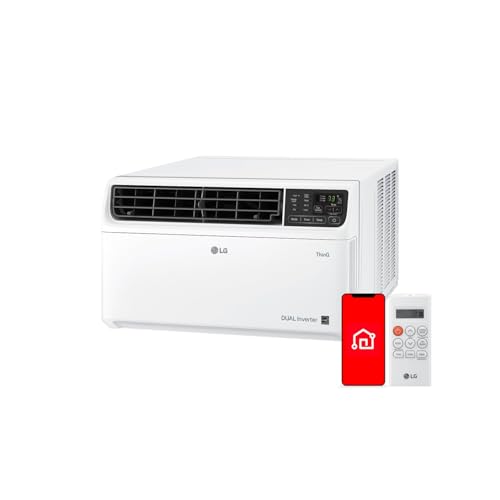
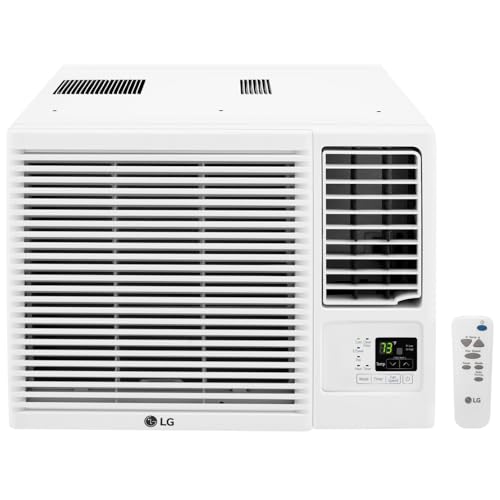
18,000 BTU Through the Wall Air Conditioner
A complete guide to choosing, sizing, and installing a powerful 18,000 BTU through the wall AC unit for large rooms, living areas, and open-concept spaces.
START LEARNINGWhy an 18,000 BTU Through the Wall Unit? This capacity class is ideal for cooling large rooms, open living areas, and master suites where window units are impractical. A through the wall installation frees up window space, provides a secure fit, and delivers dependable cooling through a permanent wall sleeve. This guide walks you through everything you need to know before making a decision.
What Is an 18,000 BTU Through the Wall Air Conditioner?
An 18,000 BTU through the wall air conditioner is a permanently installed cooling unit that fits into a wall sleeve, typically measuring around 26 inches wide. Unlike a window unit, it does not block a window and is far more secure because the chassis is anchored inside the wall structure.
With 18,000 BTU of cooling output, this class of unit is designed to cool rooms roughly between 700 and 1,000 square feet, depending on ceiling height, insulation quality, sun exposure, and climate. It is a popular choice for living rooms, open-plan kitchens, basement apartments, and commercial spaces that need consistent, powerful cooling without a ducted system.
Many models in this category come with supplemental heating, remote control, programmable timers, and energy-saving modes. For a related guide on the window-mounted alternative, see the 18,000 BTU air conditioner window unit overview.
How Much Space Does 18,000 BTU Cool?
As a general rule, an 18,000 BTU unit is rated for a room of approximately 700 to 1,000 square feet. However, BTU sizing is not a one-size-fits-all formula. The following factors can shift the effective coverage up or down:
- Ceiling height: Rooms with ceilings above 8 feet require additional capacity.
- Insulation quality: Poorly insulated walls and attics let heat seep in, reducing effective cooling.
- Sun exposure: West- or south-facing rooms with large windows heat up faster.
- Occupancy: Each person adds roughly 400 to 600 BTU of heat load.
- Appliances: Kitchens and rooms with electronics or server equipment need more capacity.
If your room is on the smaller side, a 15,000 BTU air conditioner through the wall unit may be more appropriate. For a deeper breakdown of sizing math, consult the 18,000 BTU cooling area reference guide.
Key Features to Evaluate Before You Buy
Not all 18,000 BTU through the wall units are created equal. Here are the features that matter most when comparing models:
- Cooling efficiency (EER / CEER): Higher efficiency ratings mean less energy is consumed per BTU of cooling. Look for units that meet or exceed ENERGY STAR thresholds where available.
- Supplemental heating: Some models include a heat strip or heat pump function. If you need year-round comfort, consider a 18,000 BTU through the wall air conditioner with heat.
- Wall sleeve compatibility: Most units require a standard 26-inch wall sleeve. Confirm that the chassis fits your existing sleeve or that a compatible sleeve is included. A 26-inch wall sleeve for through the wall air conditioners is a common accessory.
- Remote control and programmable timer: Convenience features that allow scheduling and temperature adjustment from across the room.
- Dehumidification mode: Helps control humidity in damp climates, improving comfort.
- Air filter access: A washable, easily removable filter simplifies maintenance.
- Noise level: Compressor and fan noise vary by model. Read user reviews and spec sheets for decibel ratings.
- Voltage: Most 18,000 BTU units require a dedicated 230/240V circuit. Confirm your electrical setup before installation. If you need a smaller electrical footprint, explore a 14,000 BTU through the wall air conditioner 115V option.
Market Tiers for 18,000 BTU Through the Wall Units
To help you orient yourself without referencing any specific figures, here is how models in this category typically position themselves across the market:
| Tier | Best For | Typical Characteristics |
|---|---|---|
| Entry-level | Basic cooling needs, rental units, seasonal use | Essential controls, standard efficiency, simple mechanical or digital interface |
| Mid-range | Year-round residential comfort | Remote control, programmable timer, improved efficiency, quieter operation |
| Premium | Primary living spaces, open-concept homes | Higher efficiency ratings, heat pump or heat strip option, advanced filtration, smart features |
Mid-range models usually offer the best balance of features and durability for most households. Premium tiers are worthwhile when you need enhanced efficiency, quieter performance, or integrated heating.
Installation and Electrical Considerations
A through the wall air conditioner requires more planning than a window unit. Here are the key points to review before installation:
- Wall sleeve and opening: The wall must have a properly framed opening sized for a standard sleeve. If you are replacing an existing unit, measure the old sleeve carefully. A 20-inch wide through the wall air conditioner or a 22-inch wide through the wall air conditioner may be needed for narrower openings.
- Electrical circuit: Most 18,000 BTU units draw significant amperage and require a dedicated 230/240V circuit with the correct breaker size. Consult a licensed electrician if you are unsure about your panel capacity.
- Outdoor clearance: The rear of the unit must have unobstructed airflow for the condenser to reject heat efficiently.
- Condensate drainage: Ensure the sleeve or unit has a proper drainage path so water does not pool or damage the wall.
- Permits and codes: Some jurisdictions require a permit for wall modifications. Check local building codes before cutting into an exterior wall.
- Professional vs. DIY: While some homeowners handle replacement-in-existing-sleeve jobs themselves, new installations are best left to qualified HVAC technicians.
If your installation involves a non-standard wall depth or opening, explore a 230 volt through the wall air conditioner guide for additional electrical and fitment details.
Maintenance Tips for Long-Term Performance
Regular maintenance keeps your 18,000 BTU unit running efficiently and extends its service life:
- Clean or replace the air filter every two to four weeks during peak cooling season. A clogged filter reduces airflow and strains the compressor.
- Inspect and clean the outdoor coil annually. Dust, leaves, and pollen can accumulate on the condenser fins.
- Check the condensate drain for blockages that can cause water leaks.
- Schedule professional servicing every one to two years to check refrigerant levels, electrical connections, and overall system health.
- Seal gaps around the sleeve with weatherproof caulk or foam to prevent drafts and moisture intrusion.
- Remove or cover the unit during extended off-seasons if recommended by the manufacturer.
How It Compares to Other Cooling Options
An 18,000 BTU through the wall unit sits in a unique position between window units and ducted systems. Here is a quick comparison:
| Option | Best For | Considerations |
|---|---|---|
| 18,000 BTU Through the Wall AC | Large rooms, permanent installations, window-free walls | Requires wall modification; secure; frees up window space |
| 18,000 BTU Window AC | Renters, temporary setups, rooms with suitable windows | Blocks window; easier to install; less secure |
| 18,000 BTU Mini-Split | Whole-room comfort with quiet operation | Higher upfront investment; requires professional installation; very efficient |
| Central AC | Whole-home cooling | Requires ductwork; significant installation scope |
If you are weighing a ductless option, the 18,000 BTU mini split air conditioner heat pump is a strong alternative for quiet, zoned comfort. For window-based cooling, the 18,000 BTU window unit remains a practical choice.
Ready to explore models that match your room size and feature needs?
View Recommended UnitsFrequently Asked Questions
What size room will an 18,000 BTU through the wall AC cool?
Approximately 700 to 1,000 square feet under average conditions. Rooms with high ceilings, poor insulation, or heavy sun exposure may need a larger capacity or additional cooling support.
Does an 18,000 BTU unit require a special electrical circuit?
Yes. Most 18,000 BTU through the wall units operate on 230/240V and require a dedicated circuit. Confirm the amperage and breaker requirements in the product specifications, and consult a licensed electrician if your panel does not have a suitable circuit.
Can I replace an existing through the wall unit with a different brand?
Often yes, provided the new chassis fits your existing wall sleeve dimensions. Standard sleeves are typically around 26 inches wide, but you should measure your sleeve and compare it to the manufacturer's specifications before purchasing.
Is a heat pump version available?
Some 18,000 BTU through the wall models include heat pump or heat strip functionality. These are useful in climates with mild winters. For dedicated heating performance, a mini-split heat pump may be a better fit.
How noisy is an 18,000 BTU through the wall AC?
Noise levels vary by model and fan speed. Premium models tend to have quieter operation through improved fan design and compressor insulation. Check decibel ratings and user reviews for specific models.
Can I install it myself?
Replacing a unit in an existing sleeve is a manageable DIY task for handy homeowners. Cutting a new opening in an exterior wall, running a new electrical circuit, or dealing with structural modifications should be handled by qualified professionals.
Final Thoughts
An 18,000 BTU through the wall air conditioner is a robust cooling solution for large rooms and open spaces where a permanent, secure installation is preferred. By understanding BTU coverage, electrical requirements, sleeve compatibility, and the feature differences between market tiers, you can choose a unit that delivers reliable comfort for years.
Before purchasing, measure your room, inspect your wall sleeve, confirm your electrical capacity, and decide whether supplemental heating is important for your climate. With those details in hand, you are ready to compare models with confidence.
For related capacity classes, explore the 16,000 BTU through the wall air conditioner or the 20,000 BTU through the wall air conditioner guides.