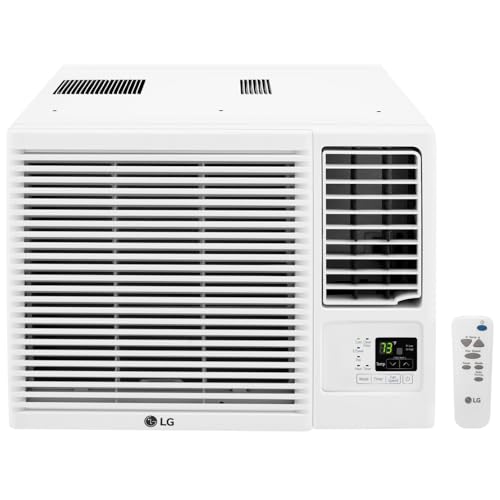
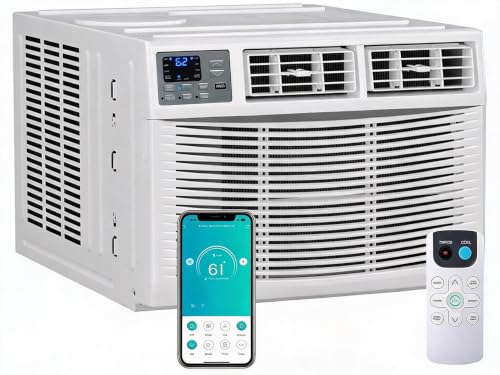
15000 BTU Window Air Conditioner with Heat: The Complete Buyer's Guide
Everything you need to know before choosing a 15000 BTU window AC with heat — room sizing, electrical requirements, heating technology, efficiency ratings, and installation considerations for year-round comfort.
Start ReadingWhy this guide matters: A 15000 BTU window air conditioner with heat is one of the most practical single-unit solutions for large rooms, open-plan living areas, and climates with mild-to-moderate winters. But buying the wrong model — undersized, electrically incompatible, or poorly matched to your window — leads to wasted energy and disappointing comfort. This guide walks you through every decision point so you can buy with confidence.
What Is a 15000 BTU Window Air Conditioner with Heat?
A 15000 BTU window air conditioner with heat is a dual-function cooling and heating unit that installs directly into a double-hung or sliding window frame. The 15000 BTU cooling capacity places it firmly in the high-capacity window AC category — a significant step above the small 5,000–8,000 BTU units typically used in bedrooms, and a practical alternative to a full ducted system when ductwork is absent or disruptive to install.
The heating function is what separates this category from standard window air conditioners. Depending on the model, the heating element is either a heat pump or an electric resistance heater. Heat pump versions move heat from outdoor air into the room and are more efficient in moderate climates. Electric heater versions generate heat directly and can operate in colder outdoor temperatures, though they draw more electricity. If you also want to compare compressor technologies across window units, our guide to 15000 BTU window air conditioners on 115V circuits covers the electrical side in more depth.
These units are popular in homes without central HVAC, in older houses where adding ductwork is impractical, in add-on rooms, and in rental properties where permanent modifications are not allowed. They are also a common choice for year-round use in spaces where cooling is the primary need and heating is a secondary seasonal requirement.
Room Size and Cooling Coverage for 15000 BTU
A 15000 BTU window AC with heat is generally intended for rooms in the 500 to 700 square feet range. That estimate assumes a standard ceiling height of around eight feet, average insulation, and a moderate climate. Real-world coverage shifts based on several factors:
- Ceiling height: Higher ceilings increase the volume of air that must be conditioned, effectively reducing coverage.
- Insulation quality: Poorly insulated walls and single-pane windows increase heat gain in summer and heat loss in winter.
- Sun exposure: West- and south-facing rooms receive more direct solar load and may need more capacity than the square footage suggests.
- Occupant count and appliance load: Kitchens, home offices with multiple monitors, and rooms with many occupants generate additional heat.
- Open floor plans: If the room connects openly to hallways or adjacent spaces, conditioned air escapes and effective coverage shrinks.
If your room is near the upper end of the range or has significant heat gain, consider whether the unit's airflow and cooling performance match your expectations. For a whole-house perspective on matching capacity to living space, the 15000 BTU air conditioner overview provides a broader comparison across form factors.
| Room Type | Typical Size | 15000 BTU Suitability |
|---|---|---|
| Large bedroom or studio | 400–550 sq ft | Comfortable, with reserve capacity |
| Open living room | 500–650 sq ft | Well matched |
| Open-plan living and dining | 600–700 sq ft | Adequate if layout is contained |
| Finished basement room | 500–700 sq ft | Good, especially for heating in shoulder seasons |
| Room with direct sun exposure | 450–550 sq ft | Consider shade or a slightly higher capacity |
Heat Pump vs Electric Heater Technology
The heating mechanism is the single most important distinction among 15000 BTU window AC units with heat. Understanding the difference helps you match the unit to your climate and energy goals.
Heat Pump Heating
A heat pump reverses the refrigeration cycle to absorb heat from outdoor air and release it indoors. Because it moves heat rather than generating it from scratch, it is significantly more efficient in moderate winter conditions — roughly down to 30–40°F depending on the model. Heat pump window units are a strong fit for regions with mild winters, such as parts of the Pacific Northwest, the Southeast, and coastal California. For a broader look at heat pump window units, see the 18000 BTU window air conditioner with heat pump guide, which discusses the same technology at a higher capacity.
Electric Resistance Heating
An electric resistance heater uses a heating element to generate warmth directly, similar to a space heater built into the air conditioner. It works in colder outdoor temperatures than a heat pump and is simpler in construction. The trade-off is higher electricity consumption per unit of heat delivered. Electric heater models are often a practical choice in colder climates or in homes where the window AC is used mainly for cooling and heating is only needed occasionally.
Electrical Requirements and Breaker Sizing
Electrical compatibility is the most common installation obstacle for 15000 BTU window AC units with heat. At this capacity, most models require a 230V or 240V circuit with a dedicated breaker. A 115V 15000 BTU unit exists but is less common, and many high-capacity window ACs simply cannot run on a standard 115V household outlet.
- Dedicated circuit: These units should not share a circuit with other major appliances. A dedicated line prevents tripped breakers and overheating.
- Breaker size: Most 15000 BTU window AC with heat models require a 20-amp or 30-amp breaker, depending on the model's rated amperage. The manufacturer's specification plate is the authoritative source.
- Plug type: Many high-capacity units use a 6-20P or 6-30P plug, which does not fit a standard household outlet. An electrician may need to install the matching receptacle.
- Heating load: The heating mode can draw additional current, so the circuit must be sized for the higher of the two operating modes, not just cooling.
If your home does not already have the correct circuit, factor in the cost of an electrician visit before committing to a model. For a deeper look at how voltage affects window AC selection, the 115V 15000 BTU window air conditioner page explains the trade-offs between 115V and higher-voltage units.
Efficiency Ratings Explained
Efficiency determines how much electricity the unit uses to deliver cooling and heating. For window air conditioners, the key metric is CEER (Combined Energy Efficiency Ratio), which replaced the older EER rating under updated DOE standards. Higher CEER means more cooling delivered per unit of electricity.
For heat pump models, the heating efficiency is sometimes expressed as HSPF (Heating Seasonal Performance Factor) or referenced through the unit's heating capacity specifications. Electric resistance heaters are inherently less efficient in energy terms because all consumed electricity is converted to heat, but they remain effective in cold conditions.
Look for units with a CEER rating that reflects a well-engineered design. A higher-efficiency model in the mid-tier or high-end tier is often a wiser long-term investment than an entry-level unit with a lower rating, especially if the AC runs for many hours per day during summer. The 15000 BTU air conditioner buying overview discusses how efficiency ratings compare across window, portable, and through-the-wall formats.
Installation and Window Compatibility
A 15000 BTU window AC with heat is heavy — typically 90 to 130 pounds — and requires a stable, correctly sized window opening. Installation is manageable for a confident DIYer, but several factors deserve attention:
- Window type: Double-hung windows are the most compatible. Sliding windows and casement windows may require a specialized bracket or an adapter kit.
- Window width and height: Check the manufacturer's minimum and maximum window opening dimensions. A 15000 BTU unit is wider than smaller window ACs and may not fit narrow frames.
- Support bracket: Because of the weight, an outdoor support bracket is strongly recommended or required. Never rely solely on the window sash to hold the unit.
- Weather sealing: Use the included insulation panels and foam seals to prevent air leaks around the unit, which undermine both cooling and heating performance.
- Drainage: In cooling mode, condensate must drain properly. Ensure the unit is installed with a slight downward tilt toward the outside as specified in the manual.
If your window configuration is unusual or the electrical work is beyond your comfort level, a professional installation is worthwhile. The 15000 BTU window air conditioner 115V guide includes notes on installation considerations that apply across voltage variants.
Features That Matter in Daily Use
Beyond raw capacity, the features on a 15000 BTU window AC with heat influence how comfortable and convenient the unit is over years of use:
- Programmable thermostat and timer: Allows scheduled cooling and heating, which improves comfort and reduces energy waste.
- Remote control and Wi-Fi: Useful for adjusting settings without crossing the room; smart models integrate with voice assistants and mobile apps.
- Multiple fan speeds and modes: Auto, cool, heat, fan-only, and dehumidify modes cover different seasonal needs.
- Sleep mode: Gradually adjusts temperature overnight for comfort and efficiency.
- Filter access: A washable, easily removable filter simplifies routine maintenance.
- Auto-restart: Restores previous settings after a power outage.
- Noise level: Higher-capacity units are louder than small window ACs; check decibel ratings if the room is a bedroom or home office.
Mid-range and premium models typically add smart controls, quieter compressors, and more refined thermostats. Entry-level models cover the essentials — cooling, heating, and basic fan settings — without the connected features.
Advantages and Limitations
Weighing the strengths and limitations helps you decide whether a 15000 BTU window AC with heat is the right fit for your space.
Advantages
- Dual-season functionality: One unit handles summer cooling and supplemental winter heating.
- No ductwork required: Ideal for older homes, additions, and rentals where ducted systems are impractical.
- Lower installation complexity than central systems: No major renovation, though electrical work may be needed.
- Zoned comfort: Conditions a single large room without affecting the rest of the house.
- Immediate availability: Window units can be installed and used the same day.
Limitations
- Window obstruction: The unit blocks part of the window, reducing natural light and views.
- Weight and installation effort: Heavier than smaller window ACs; may require two people and a support bracket.
- Electrical requirements: Often needs a 230V/240V dedicated circuit.
- Noise: High-capacity units produce more sound than mini-splits or central systems.
- Heating performance varies by technology: Heat pump models lose effectiveness in very cold weather; electric heaters use more electricity.
When to Consider Alternative Solutions
A 15000 BTU window AC with heat is not the right answer for every home. Consider alternatives in these situations:
- You cannot install a window unit: A 15000 BTU through-the-wall air conditioner offers similar capacity with a permanent wall installation, which some homeowners prefer for security and aesthetics.
- You need portability: A 15000 BTU portable air conditioner can be moved between rooms, though portable units are generally less efficient than window models.
- You want whole-home comfort: A central system or mini-split heat pump provides zoned or whole-home conditioning with better efficiency and quieter operation.
- Your climate is very cold: A dedicated heating solution — such as a baseboard heater or a cold-climate heat pump — may be more effective than the heating mode on a window AC.
- You need heating for an RV: A 15000 BTU RV air conditioner with heat pump is purpose-built for mobile applications.
Frequently Asked Questions
What size room will a 15000 BTU window AC with heat cool?
A 15000 BTU window air conditioner with heat is generally suited for rooms between 500 and 700 square feet. The exact coverage depends on ceiling height, insulation quality, window orientation, and local climate. Rooms with direct sun exposure or poor insulation should lean toward the lower end of that range.
Does a 15000 BTU window AC with heat require a special electrical outlet?
Most 15000 BTU window air conditioners with heat run on 230V or 240V circuits and require a dedicated 20-amp or 30-amp breaker, depending on the model. Some units operate on 115V, but they are less common at this capacity. Always check the manufacturer's electrical specification before installation.
How does the heating function work on a window AC with heat?
A window air conditioner with heat typically uses either a heat pump or an electric resistance heater. Heat pump models transfer heat from outdoor air and are more energy efficient in moderate climates. Electric resistance models generate heat directly and work in colder conditions but consume more electricity.
Is a 15000 BTU window AC with heat energy efficient?
Efficiency varies by model and is measured with the CEER rating for cooling and sometimes HSPF for heat pump models. Higher CEER values indicate better efficiency. Choosing a unit with a higher efficiency rating and using programmable settings can reduce long-term energy use.
Can I install a 15000 BTU window AC with heat myself?
Installation is feasible for a handy homeowner, but these units are heavy and may require two people to lift safely. You need a properly sized window opening, a secure support bracket, and a compatible electrical circuit. If your home lacks the correct outlet or the window cannot support the weight, hire a licensed HVAC technician.