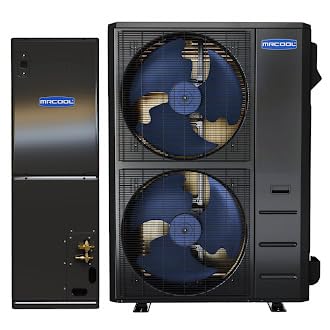
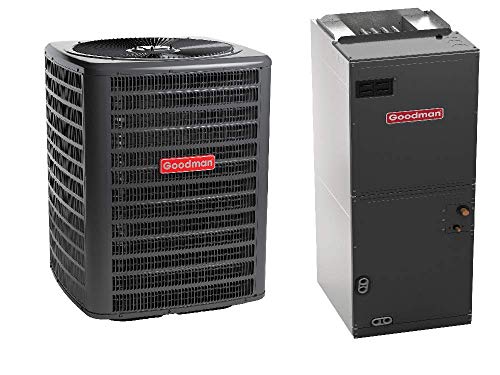
5 Ton Air Conditioning System: The Complete Guide
Everything you need to know about selecting, sizing, and maintaining a 5 ton air conditioning system for large homes and commercial spaces
START LEARNINGWhy a 5 ton system? A 5 ton air conditioning system delivers 60,000 BTUs of cooling capacity per hour, making it one of the most powerful residential options available. It is designed for large single-family homes, open-concept layouts, and light commercial spaces where standard 2 to 3 ton systems cannot keep up with the cooling load.
What Is a 5 Ton Air Conditioning System?
A 5 ton air conditioning system refers to the cooling capacity of the unit, not its physical weight. In HVAC terminology, one "ton" of cooling equals 12,000 BTUs (British Thermal Units) per hour. Therefore, a 5 ton air conditioner provides 60,000 BTUs per hour of cooling output.
This capacity class sits at the upper end of residential systems. While most average-sized homes use 2 to 3.5 ton units, a 5 ton system is engineered for properties with substantial square footage, high ceilings, large window areas, or hot climate exposure. You will commonly find this capacity in central air conditioning setups, variable speed air conditioners, and large ducted mini-split systems.
Quick Facts
Cooling capacity: 60,000 BTU/hour | Typical home size: 2,500–3,500 sq ft | Voltage: Usually 240V | Refrigerant: Modern R410A or R32/R454B
How to Know If You Need a 5 Ton System
Sizing an air conditioner is not simply a matter of matching square footage. A proper Manual J load calculation considers insulation, window placement, ceiling height, local climate, ductwork condition, and occupancy. However, the following table offers general guidance for estimating whether a 5 ton system is in the right range for your property.
| Home Size | Climate Zone | Suggested Capacity | Tier Consideration |
|---|---|---|---|
| 1,500–2,000 sq ft | Mild | 2–2.5 ton | Entry-level to mid-range |
| 2,000–2,500 sq ft | Moderate | 3–3.5 ton | Mid-range |
| 2,500–3,000 sq ft | Moderate to hot | 4–4.5 ton | Mid-range to premium |
| 3,000–3,500 sq ft | Hot | 5 ton | Premium to high-end |
| 3,500+ sq ft or multi-zone | Hot | 5 ton + zoning or dual systems | High-end to luxury |
If your home falls in the 3,000–3,500 square foot range in a hot climate, a 5 ton unit is likely the right starting point. For larger properties, you may need a zoning system or two separate units to ensure even distribution. A system that is too large will short-cycle, leading to poor dehumidification and higher energy use — which is why professional load calculation is essential.
Types of 5 Ton Air Conditioning Systems
Not all 5 ton systems are built the same. The right configuration depends on your home's ductwork, available space, and efficiency goals. Here are the most common configurations for this capacity class.
1. Central Air Conditioning (Split System)
The most common setup for a 5 ton capacity. A central system pairs an outdoor condenser with an indoor evaporator coil and air handler, distributing cooled air through ductwork. This is the standard for whole-home comfort in large properties. Learn more about central air conditioning systems and how they compare to other options.
2. Variable Speed Systems
A 5 ton variable speed air conditioner adjusts compressor speed to match the cooling demand precisely. These units are typically in the premium to high-end tier, offering superior humidity control, quieter operation, and better energy performance compared to single-stage units.
3. Ducted Mini-Split Systems
For homes without traditional ductwork, a ducted mini-split in the 5 ton range offers a flexible alternative. These systems are popular in retrofits, additions, and properties where extending existing ducts is impractical. They often sit in the mid-range to premium tier depending on zone count.
4. Packaged Units
Packaged air conditioner units house all components in a single cabinet, typically placed on the roof or a concrete pad. These are common in light commercial settings, manufactured homes, and properties where indoor space is limited.
Efficiency Ratings: SEER, SEER2, and EER
Efficiency is one of the most important factors when choosing a 5 ton system. Because these units consume more energy than smaller systems, the difference between a baseline model and a high-efficiency model compounds over years of operation.
| Efficiency Tier | Typical SEER2 Range | Best For |
|---|---|---|
| Entry-level | Meets current minimum standards | Mild climates, low runtime |
| Mid-range | Moderately above minimum | Most residential applications |
| Premium | Well above minimum | Hot climates, high runtime |
| High-end tier | Top efficiency class | Long-term investment, eco-focused |
When comparing models, always check the SEER2 rating (the updated DOE standard). A higher SEER rating indicates greater efficiency, but the actual benefit depends on your climate and usage patterns. For hot climates where the system runs frequently, a premium or high-end tier unit is often the more efficient choice in the long run. Explore ENERGY STAR certified AC units for independently verified efficiency benchmarks.
EER and HSPF
EER measures efficiency at peak temperature, while HSPF applies to heat pump modes. If your 5 ton system includes a heat pump, pay attention to both SEER2 and HSPF to understand year-round performance.
Installation Considerations for 5 Ton Systems
Installing a 5 ton air conditioning system is not a DIY project. The electrical, refrigerant, and ductwork requirements are substantial. Here are the key factors to plan for before installation.
Electrical Requirements
Most 5 ton systems require a dedicated 240V circuit with a breaker sized to the unit's amperage draw. A professional electrician or HVAC technician should verify your panel capacity. Learn more about amps and breaker size and 110V vs 240V systems to understand what your home needs.
Ductwork
A 5 ton system moves a large volume of air — typically around 2,000 CFM. Undersized or leaky ducts will undermine performance and efficiency. Before installation, have your ductwork inspected and sealed. Review our ductwork design guide and how to seal air ducts for best practices.
Placement
The outdoor condenser needs clearance for airflow, and the indoor air handler must be positioned for efficient duct routing. Review AC indoor and outdoor placement to avoid common mistakes that reduce performance.
Permits and Contractors
Most jurisdictions require a permit for a 5 ton system installation. Learn how to get an AC permit and how to choose an HVAC contractor to ensure the job is done correctly and safely.
Maintenance for Long-Term Performance
A 5 ton system is a significant long-term investment. Regular maintenance protects that investment, keeps efficiency high, and extends the system's lifespan. Here is a practical maintenance schedule.
| Frequency | Task | Why It Matters |
|---|---|---|
| Monthly | Check and replace air filter | Restricted airflow stresses the compressor |
| Quarterly | Clean outdoor condenser coils | Dirty coils reduce heat transfer |
| Seasonally | Clear debris around outdoor unit | Ensures proper airflow and drainage |
| Annually | Professional HVAC inspection | Catches refrigerant, electrical, and mechanical issues early |
For detailed step-by-step guides, review how to clean AC filters, cleaning condenser coils, and our seasonal AC checklist. If your system is not performing as expected, consult our troubleshooting guides for AC not cooling and AC leaking water.
When to Call a Professional
Refrigerant leaks, compressor issues, and electrical faults require licensed technicians. Review when to call an HVAC technician and understand refrigerant leak repair before attempting any diagnostic work yourself.
Operational Tips for 5 Ton Systems
Once installed, how you operate your 5 ton system matters as much as the equipment itself. These practices help maintain comfort and efficiency.
- Set the thermostat to the ideal AC temperature setting and avoid frequent adjustments.
- Use a programmable thermostat to align cooling with your schedule.
- Pair the system with ceiling fans to improve air circulation and perceived comfort.
- Seal windows and doors, and follow energy-saving strategies to reduce load.
- Consider a zoning system to avoid cooling unoccupied areas of a large home.
5 Ton vs Other Capacity Classes
Understanding how 5 ton systems compare to other sizes helps you confirm your choice or explore alternatives.
| Capacity | BTU/hour | Typical Use | Tier Positioning |
|---|---|---|---|
| 2 ton | 24,000 | Small to mid-size homes | Entry-level to mid-range |
| 3 ton | 36,000 | Average single-family homes | Mid-range |
| 4 ton | 48,000 | Large homes, moderate climate | Mid-range to premium |
| 5 ton | 60,000 | Large homes, hot climates, light commercial | Premium to high-end |
If you are considering alternatives to a full central system, you may explore mini-split heat pump systems for zoned cooling, though multiple units may be required to match a 5 ton central system's coverage.
Buying Checklist for a 5 Ton System
Before committing to a purchase, work through this checklist to ensure you are getting the right system for your property.
- Get a Manual J load calculation from a qualified contractor — never size by square footage alone.
- Inspect your ductwork and confirm it can handle roughly 2,000 CFM of airflow.
- Verify electrical capacity for a 240V circuit and appropriate breaker size.
- Choose an efficiency tier aligned with your climate and usage — premium tiers pay off in hot climates.
- Compare compressor technology: single-stage, two-stage, or variable speed.
- Confirm warranty terms and register your unit promptly after installation — see AC warranty registration.
- Ask about smart controls and Wi-Fi enabled AC features for convenience and scheduling.
- Review contractor credentials including HVAC license and insurance.
Ready to Explore 5 Ton Air Conditioning Options?
Browse our curated selection of recommended systems and compare features, tiers, and specifications to find the right fit for your home.
VIEW RECOMMENDED SYSTEMSFrequently Asked Questions
What size home does a 5 ton air conditioning system cool?
A 5 ton air conditioning system is typically suitable for homes between 2,500 and 3,500 square feet, depending on climate zone, insulation quality, window area, and occupancy. In hot climates, it may serve slightly less square footage, while in mild climates it can handle larger spaces. Always confirm with a professional load calculation.
How many BTUs is a 5 ton air conditioner?
One ton of cooling equals 12,000 BTUs per hour. Therefore, a 5 ton air conditioning system provides 60,000 BTUs per hour of cooling capacity.
Is a 5 ton AC unit too big for my house?
An oversized AC unit will short-cycle, failing to properly dehumidify and causing uneven temperatures. A professional Manual J load calculation is the only reliable way to determine if a 5 ton unit is appropriate for your home. Do not rely on square footage alone.
What SEER rating should a 5 ton air conditioner have?
Modern 5 ton systems should meet or exceed current DOE minimum standards. Premium and high-end tier models often achieve SEER2 ratings well above the minimum, delivering better long-term efficiency and comfort — especially important in hot climates where the system runs frequently.
How long does a 5 ton air conditioning system last?
With proper installation and regular maintenance, a 5 ton air conditioning system typically lasts 15 to 20 years. Annual professional service and regular filter changes are key to maximizing lifespan.
Can I install a 5 ton system myself?
No. A 5 ton system involves high-voltage electrical work, refrigerant handling (which requires EPA certification), and complex ductwork. Professional installation is essential for safety, warranty validity, and performance.
What is the difference between single-stage, two-stage, and variable speed 5 ton systems?
Single-stage units run at full capacity or off. Two-stage units run at full or reduced capacity. Variable speed systems modulate continuously, offering the best humidity control, quietest operation, and highest efficiency — typically positioned in the premium to high-end tier.