
Small Room Window Air Conditioner Reviews
Compact window units are the most practical cooling solution for bedrooms, home offices, dorms, and studio apartments. This guide breaks down which models and specifications actually work in tight spaces, so you can choose with confidence before you buy.
See Our Top PicksWhy this page exists: If you have already narrowed your search to small room window air conditioner reviews, you are likely comparing specific models and wondering which features matter in a compact room. Below you will find sizing guidance, efficiency explanations, feature comparisons, and a curated shortlist of the units that consistently perform well in smaller spaces.
Why a Window AC Is the Right Fit for a Small Room
Window air conditioners remain the most direct way to cool a single room. They do not require ductwork, they install in an existing window opening, and they put the entire cooling system inside one compact chassis. For renters, students, and homeowners with older properties, that combination is hard to beat.
The main advantages in a small room context include:
- Single-room targeting: You cool only the space you use, which keeps energy use focused rather than spilling into unused rooms.
- No duct losses: All cooled air exits directly into the room, so there is no leakage through attic or wall ductwork.
- Simple installation: Most units slide into a standard double-hung window with a mounting kit and a support bracket.
- Straightforward maintenance: The filter is accessible from inside the room, and the evaporator coil can be cleaned without special tools.
- Predictable performance: Because the unit is close to the occupants, the thermostat reacts quickly and the room reaches the set temperature fast.
The trade-offs are equally clear. Window units block part of the window view, they produce more noise than a ductless mini-split, and the compressor sits inside the room boundary rather than outside. For a small bedroom or office, though, those compromises are usually acceptable in exchange for the simplicity and immediacy of the installation.
If you are still deciding between form factors, the comparison between a through-the-wall AC and a standard window unit is worth reading, since wall-mounted sleeves can be a better long-term fit for some rooms. For rooms without a suitable window, a small room portable air conditioner review covers the alternative.
Sizing a Window AC for a Small Room
Capacity is measured in British Thermal Units, or BTU. The goal is to match the unit to the heat load of the room, not to buy the largest number available. Oversizing is a real problem in small rooms: the compressor short-cycles, humidity is not removed properly, and the space can feel cold and damp at the same time.
As a starting reference for compact spaces:
| Room Size | Recommended BTU | Typical Use |
|---|---|---|
| Up to 150 sq ft | 5,000 BTU | Small bedroom, dorm room, nursery |
| 150 - 250 sq ft | 6,000 BTU | Standard bedroom, home office |
| 250 - 350 sq ft | 8,000 BTU | Studio apartment, larger bedroom |
| 350 - 450 sq ft | 10,000 BTU | Open living area, converted loft |
Adjust upward for these conditions:
- Direct sun: West- or south-facing windows add significant heat gain.
- Top floor: Roof heat transfer raises the load noticeably.
- Occupancy: Each additional person adds roughly 600 BTU of sensible load.
- Kitchen adjacency: Cooking appliances in an open layout increase the load.
- Poor insulation: Older single-pane windows and unsealed frames leak cool air.
Conversely, a shaded ground-floor bedroom with modern windows can often stay on the lower end of the range. If you want a more detailed calculation method, the guide on how to size an air conditioner walks through the full formula. You can also browse units grouped by capacity, such as the 5,000 to 6,000 BTU AC category, which is the sweet spot for most small rooms.
Features That Matter in a Small Room
Once capacity is settled, the differences between models come down to a handful of features. In a small room, these matter more than raw specifications because you live close to the unit.
Inverter vs Non-Inverter Compressor
An inverter compressor varies its speed continuously. In a small room that translates to steadier temperature, lower humidity swings, and quieter operation during long cooling sessions. Non-inverter units cycle on and off at full power; they are simpler and still effective, but the temperature fluctuates more. If quiet comfort is a priority, the guide on quiet air conditioners explains which specifications to look for. The inverter AC overview covers the technology in more depth.
Efficiency Ratings
The efficiency of a window unit is expressed through SEER, EER, and increasingly SEER2 under updated DOE standards. Higher numbers mean more cooling per unit of electricity. In a small room, the difference between an entry-level and a high-efficiency unit shows up over a full summer of nightly use. The energy efficiency ratings guide explains each metric, and the window AC efficiency rating page focuses specifically on this category.
Noise Level
Sound is measured in decibels. In a bedroom, look for a low-speed rating in the low 50s or below. Compressor noise is the dominant source, and inverter units tend to run quieter at partial load. A unit with a dedicated sleep mode and a fan-only setting gives you more control at night.
Smart Controls and Thermostats
Wi-Fi control, scheduling, and voice assistant compatibility are now common even in compact units. In a small room, a programmable thermostat or app schedule avoids cooling an empty space. The AC with Wi-Fi and smart control guide covers the practical differences between app ecosystems.
Air Quality Features
Washable filters are standard. Some units add a dedicated air purifier stage, which is useful in a small bedroom or home office where the unit runs for long periods. The AC with air purifier overview explains what those extra stages actually do.
Window Compatibility
Check the minimum and maximum window width in the specification sheet, the sill depth, and whether the unit requires a support bracket. Casement windows need a specialized unit, such as a casement window air conditioner, and sliding windows have their own fit constraints. Measuring before ordering avoids returns.
Small Room Window AC Comparison by Tier
The table below groups the main options by market tier rather than by any numeric figure. Use it to match a category to your priorities, then verify the specific model specifications before ordering.
| Tier | Best For | Typical Characteristics | Trade-Off |
|---|---|---|---|
| Starter Tier | Occasional use, tight installation space | Mechanical controls, single fan speed, basic washable filter | More temperature swing and higher noise at full load |
| Essential Tier | Everyday bedroom cooling | Digital thermostat, remote control, sleep mode, multiple fan speeds | Compressor still cycles; efficiency is adequate but not standout |
| Balanced Tier | Long nightly use, home offices | ENERGY STAR certification, quieter low-speed operation, better humidity control | Higher entry point into the category than starter models |
| Top-Tier | Premium comfort and quiet operation | Inverter compressor, Wi-Fi control, air purification stage, refined fan acoustics | More features than a small room may strictly need |
For rooms where the unit will run every night through the summer, the balanced tier is usually the most sensible target. For guest rooms and seasonal use, the starter tier covers the essentials without paying for features that go unused. Top-tier units make the most sense when the room is also a workspace or when noise sensitivity is high.
Best Picks by Use Case
These recommendations are organized by scenario rather than by any single ranking. Each entry points to a category of unit that performs well under the stated conditions.
Best for Small Bedrooms
A 5,000 BTU unit with a digital thermostat and sleep mode is the right fit for a typical bedroom under 150 square feet. Look for a low-speed fan rating in the low 50s decibels and a washable filter that is easy to remove.
See the 5,000 BTU AC with thermostat category for models in this range.
Best for Home Offices
Daytime cooling benefits from steadier temperatures and better humidity removal. A 6,000 BTU ENERGY STAR unit with multiple fan speeds keeps the room comfortable through a full workday without constant cycling.
Compare 6,000 BTU ENERGY STAR window units for this use case.
Best for Quiet Operation
Inverter compressors and refined fan designs produce the lowest sustained noise. A quiet eco smart window AC is a strong reference point for what to expect from this class.
Best for Energy Efficiency
ENERGY STAR certification and a high EER or SEER2 rating matter most when the unit runs nightly. The 5,000 BTU ENERGY STAR window AC category is the entry point for efficient small-room cooling.
Best for Renters
A lightweight 5,000 BTU unit that installs without a permanent bracket is the renter-friendly choice. Confirm the lease allows window-mounted appliances and that the window type matches the included kit.
See 5,000 BTU window AC with remote control options.
Best for Year-Round Use
If the room also needs heat in shoulder seasons, a combination unit with a heat mode adds flexibility. The combination AC and heater window unit guide covers the trade-offs.
For a broader look at how compact units compare across brands, the top-rated 6,000 BTU window air conditioners roundup is a useful cross-reference. If your room is on the larger side of "small," the 8,000 to 10,000 BTU category may be the better match.
Installation and Safety for Small Rooms
Window units are heavy enough to require care during installation, even the compact models. A few practical rules apply to nearly every small-room setup.
- Use a support bracket: Most manufacturers require an outdoor bracket for units above the ground floor. Follow the manual for the specific model.
- Check the electrical circuit: A dedicated circuit is ideal. Confirm the amperage requirement and whether the outlet is within reach of the cord.
- Seal the window gap: The included foam insulation panels reduce cool-air loss and keep insects out. Poor sealing is the most common reason a small room feels under-cooled.
- Maintain a slight backward tilt: Condensate needs to drain outside. Follow the manufacturer's specified tilt rather than eyeballing it.
- Leave clearance around the unit: Do not block the front grille with curtains or furniture; airflow is essential for performance.
If you are hiring help, the guide on companies that install window air conditioners explains what to ask before booking. For wall-sleeve installations, the through-the-wall AC overview covers the structural considerations.
Maintenance Checklist for Compact Units
A small window unit works hard in a confined space, so routine maintenance has a direct effect on performance and longevity.
- Clean the filter every two to four weeks during heavy use. A clogged filter reduces airflow and forces the compressor to work harder.
- Inspect the evaporator coil each season. Dust buildup on the indoor coil is common in small rooms and reduces cooling capacity.
- Check the outdoor side for debris. Leaves and pollen can block the condenser fins.
- Verify the drain path. Standing water inside the chassis can lead to odors and mold.
- Remove and store the unit before cold weather if it is not designed for year-round window installation.
When cooling performance drops despite clean filters, the troubleshooting steps in the AC not cooling guide cover the common causes in order of likelihood.
Frequently Asked Questions
What size window air conditioner is best for a small room?
For most small rooms up to roughly 250 square feet, a 5,000 to 6,000 BTU window air conditioner is the right starting point. Rooms that are heavily sunlit, occupied by several people, or located on a top floor may need slightly more capacity, while shaded interior rooms can often stay on the lower end of that range.
Is an inverter window air conditioner better for a small room?
Inverter window units adjust compressor speed continuously instead of cycling on and off. In a small room this usually means steadier temperatures, quieter operation, and better efficiency over long cooling sessions. Non-inverter units remain a solid choice when simplicity and a lower entry point into the category matter more than refinement.
How many BTU do I need for a bedroom window AC?
A typical bedroom between 150 and 250 square feet pairs well with a 5,000 to 6,000 BTU window unit. Add capacity for strong afternoon sun, west-facing windows, upper floors, or more than two occupants. Oversizing a unit for a small bedroom can cause short cycling, which leaves the room feeling clammy.
Can a window air conditioner be used in an apartment?
Yes, window units are one of the most apartment-friendly cooling options, provided your lease and building rules allow window-mounted appliances. Check that the window type, sill depth, and electrical circuit can support the unit, and confirm whether the installation requires a bracket or support frame.
Ready to Compare Specific Models?
Use the curated shortlist below to check availability and read verified owner feedback on the units that fit small rooms best.
View Product ShortlistRecommended Window Air Conditioners for Small Rooms
⚠️ AFFILIATE DISCLOSURE: This website contains affiliate links. As an Amazon Associate, we earn from qualifying purchases. If you make a purchase through these links, we may receive a small commission at no additional cost to you. Read our full affiliate policy.

GE Window Air Conditioner 5,000 BTU AC Unit for Small Spaces up to 150 sq ft with Manual Controls & 2 Cooling Modes, Easy Install Kit, White
Check price on Amazon
Frigidaire 5,000 BTU Window-Mounted Air Conditioner, Cools Up to 150 Sq. Ft., Quiet Operation, Effortless Temperature Control, 2 Fan Speeds, Auto Restart, White
Check price on Amazon
Midea 6,000 BTU Window Air Conditioner, Electronic Control, 250 Sq Ft, New | 3-In-1 Cool/Fan/Dehumidifier Modes, Easy-To-Use Controls, Remote Control, And Cooling For Bedrooms, Studies and Home Offices
Check price on Amazon
Windowless Portable Air Conditioner, 24.3" Small Evaporative Air Cooler for Room No Window, 3-Speed Settings, 4 Modes, 15H Timer, Remote Control, 4 Ice Packs, Quiet AC Unit for Bedroom, White
Check price on Amazon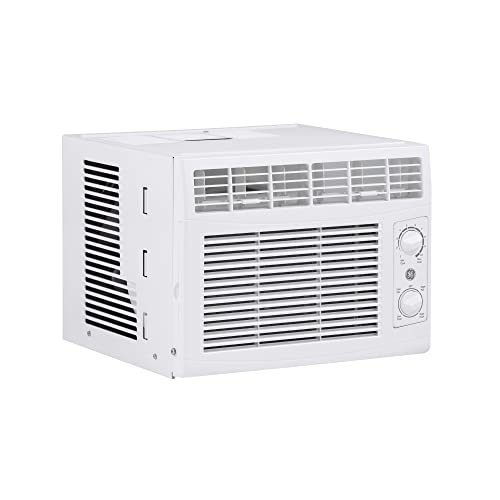
GE Window Air Conditioner Unit, 5,000 BTU for Small Rooms up to 150 sq ft. with Manual Adjustable Fan and Cooling Settings, Perfect for Small Bedroom or Living Room, Easy Install Kit Included, White
Check price on Amazon
Midea 5,000 BTU EasyCool Small Window Air Conditioner - Cool up to 150 Sq. Ft. with Easy-to-Use Mechanical Controls and Reusable Filter, Perfect for Small Bedroom, Living Room, Home Office
Check price on Amazon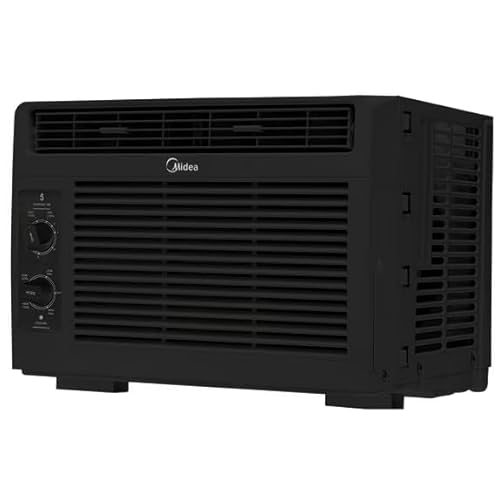
Midea 5,000 BTU 150 Sq ft Mechanical Window Air Conditioner, Black (Renewed)
Check price on Amazon
Midea 8,000 BTU Window Air Conditioner, Electronic Control, 350 Sq. Ft. | Energy Star Rated, Quiet Operation, Electronic Control, Remote Control, and Dehumidifier Function, For Bedrooms and Offices
Check price on AmazonDisclaimer
Some of the content on this site uses AI assistance. Information is provided for educational purposes only. We are not responsible for any losses resulting from the use of this information. By using this site, you waive any right to bring legal claims against us arising from your use of the information provided. If you do not agree, please do not use this site. Read the full disclaimer.