
8000 BTU Portable Air Conditioner Dual Hose: The Complete Buyer's Guide
Everything you need to know about dual hose 8000 BTU portable air conditioners — how they cool, which rooms they suit, installation essentials, efficiency factors, and how to choose the right model for your space.
Quick summary for researchers: An 8000 BTU portable air conditioner with dual hose is a mid-capacity, vented cooling solution best suited to bedrooms, home offices, and small living areas of roughly 300 to 350 square feet. The dual hose configuration separates intake and exhaust airflow, which helps maintain room pressure and improves real-world cooling compared to single hose designs. If you are comparing options before buying, this guide covers sizing, hose setup, efficiency, noise, drainage, and the features that separate essential-tier from premium-tier models.
What Is an 8000 BTU Portable Air Conditioner With Dual Hose?
An 8000 BTU portable air conditioner with dual hose is a freestanding, vented cooling unit that uses two separate hoses to manage airflow. One hose draws outdoor air into the unit to cool the condenser, while the second hose expels hot exhaust air back outside. The cooled air is then delivered into the room through the front grille. This two-hose arrangement is the defining feature that separates dual hose units from the more common single hose design.
The 8000 BTU rating refers to the unit's nominal cooling capacity. In practical terms, this places the product in the mid-capacity segment of the portable AC market — above compact 5,000 to 6,000 BTU models and below larger 10,000 to 14,000 BTU units. That positioning makes it a strong candidate for a single bedroom, a home office, a small studio, or a converted attic room where a window unit is not practical.
Because the unit is portable, it requires no permanent installation. It rolls on casters, plugs into a standard household outlet, and vents through a window using a sliding adapter kit. For renters, older homes without ductwork, and rooms that need spot cooling rather than whole-home conditioning, this format is often the most practical option. If you want to explore the broader category first, the 8000 BTU portable air conditioner overview is a useful starting point.
Room Size and BTU Sizing: How Much Space Will It Cool?
The standard rule of thumb for portable air conditioners is roughly 20 BTU per square foot of floor area, adjusted for ceiling height, sun exposure, insulation, and occupant load. An 8000 BTU unit therefore lands in the 300 to 350 square foot range under average conditions. That is a guideline, not a guarantee.
| Room Type | Typical Area | 8000 BTU Dual Hose Fit |
|---|---|---|
| Small bedroom | 100–150 sq ft | Comfortable — fast pull-down, low fan speed |
| Standard bedroom | 150–250 sq ft | Well matched — steady cooling |
| Home office / studio | 200–300 sq ft | Strong fit — good reserve capacity |
| Small living room | 250–350 sq ft | Appropriate — may need higher fan speed on hot days |
| Open-plan or sun-exposed room | 350+ sq ft | Underpowered — consider a larger unit |
Several factors can shift the effective coverage. A west-facing room with large unshaded windows can behave like a space 20 to 30 percent larger than its floor area. A basement room with cool ambient air can behave like a smaller space. High ceilings, poor insulation, and multiple occupants or heat-generating electronics all add load. If your room sits at the upper edge of the range, a dual hose design helps because it avoids the pressure loss that plagues single hose units. For a deeper breakdown, see the 8000 BTU portable AC room size guide.
Dual Hose vs Single Hose: Why the Configuration Matters
This is the single most important technical distinction in the portable AC category, and it directly affects how well an 8000 BTU unit performs in a real room.
Dual Hose Efficient
- Draws outdoor air for condenser cooling through a dedicated intake hose
- Exhausts hot air through a separate hose
- Maintains neutral room pressure
- Prevents hot outdoor air from being pulled in through gaps
- Delivers closer to its rated cooling capacity in practice
- Better suited to rooms with doors and windows that are not perfectly sealed
Single Hose Common
- Uses one hose to exhaust hot air
- Draws replacement air from inside the room
- Creates negative pressure that pulls warm outdoor air through cracks
- Can lose a meaningful share of effective cooling to infiltration
- Simpler and lighter, but less efficient in practice
- Often the entry-level format in the category
The practical takeaway: a dual hose 8000 BTU unit often feels like it cools better than a single hose 8000 BTU unit in the same room, even though the rated capacity is identical. The dual hose design does not add cooling power — it preserves the cooling power the unit already has. If you are comparing the two formats directly, the 8000 BTU dual hose portable air conditioner page covers model-level differences.
Installation and Hose Setup: What to Expect
Installing a dual hose portable AC is a straightforward process, but the dual hose design adds one extra step compared to single hose units. Here is the sequence most manufacturers follow.
Position the unit near a suitable window
Place the AC on a level surface within reach of a window or wall vent. Keep at least 12 to 18 inches of clearance around the unit for airflow. Avoid direct sunlight on the unit body, which can reduce performance.
Install the window adapter kit
Most units ship with a sliding window panel and hose connectors. The panel is sized to fit standard vertical or horizontal sliding windows. For casement windows, an additional adapter may be required.
Connect both hoses
The intake hose connects the lower rear port to the outdoor side of the window panel. The exhaust hose connects the upper rear port to the outdoor side as well. Both hoses must vent outside; a dual hose unit cannot recirculate indoor air for condenser cooling.
Seal gaps and test airflow
Close the window against the panel and seal any remaining gaps with the included foam insulation. Power on the unit and confirm that the exhaust hose feels warm and the front grille delivers cold air within a few minutes.
If your window opening is unusual, hose extensions and vent adapters are available. The 6-inch exhaust hose for portable air conditioner and the 6-inch wall vent for portable air conditioner are common accessories for non-standard installations. Keep hose runs as short and straight as possible — long, kinked, or sharply bent hoses reduce airflow and cooling efficiency.
Efficiency, Power Draw, and Running Behavior
An 8000 BTU dual hose portable AC typically operates on a standard 115V household circuit and draws roughly 7 to 9 amps during cooling. That places it comfortably within the capacity of a standard 15-amp breaker, though it should ideally run on a dedicated circuit or at least not share a circuit with other high-draw appliances.
Efficiency in portable ACs is usually expressed through a CEER or SACC rating rather than the SEER rating used for central systems. Higher efficiency numbers mean more cooling per unit of electricity. Dual hose units tend to perform better in real-world efficiency than their single hose counterparts because they avoid the infiltration penalty described earlier.
Several behaviors affect running efficiency in practice:
- Compressor cycling: Most 8000 BTU portable units use a single-speed compressor that cycles on and off. Mid-range and premium models may add variable fan speeds or eco modes that reduce energy use once the room reaches the set temperature.
- Fan speed: Running the fan on high moves more air but uses more power. Auto fan modes adjust speed based on room temperature.
- Hose insulation: Exhaust hoses radiate heat back into the room. Insulated hoses or short hose runs reduce that loss.
- Window sealing: A poorly sealed window panel lets hot air in and undermines the dual hose advantage.
If you are comparing an 8000 BTU unit against smaller or larger options, the 8000 BTU ENERGY STAR air conditioner page covers certification thresholds and what they mean for portable models.
Noise and Comfort Considerations
Portable air conditioners are generally louder than window units and mini-splits because the compressor and fan sit inside the room. An 8000 BTU dual hose unit typically produces 48 to 56 decibels depending on fan speed and whether the compressor is running. For reference, normal conversation sits around 60 decibels, so a portable AC on high fan is noticeable but not disruptive in most living spaces.
Noise perception depends heavily on placement. A unit placed on a hard floor in a corner will reflect sound more than one placed on a rug or near soft furnishings. Premium-tier models often include sleep modes, lower minimum fan speeds, and vibration-dampening compressor mounts that make nighttime operation more comfortable. If the unit will run overnight in a bedroom, prioritize models with a dedicated sleep mode and a low-speed fan setting.
Condensate and Drainage Management
Portable air conditioners remove humidity from the air as they cool, producing condensate. Most 8000 BTU dual hose models use self-evaporative technology that routes condensate onto the condenser coil, where it evaporates and is exhausted outside with the hot air. In moderate humidity, this means manual draining is rarely needed.
In high-humidity climates or during long continuous runs, the internal tank can still fill. When that happens, the unit shuts off until the tank is drained. Many models include a continuous drain port at the rear or bottom, allowing a garden hose to route water to a floor drain or outdoors. If you plan to run the unit for extended periods, a continuous drain setup is worth prioritizing. The 8000 BTU portable air conditioner with dehumidifier page covers models that emphasize moisture removal alongside cooling.
Product Tiers: Entry-Level to Premium
Within the 8000 BTU dual hose category, products generally fall into three broad tiers. These descriptors reflect relative market position and feature depth, not any specific figure.
Essential Tier
Basic dual hose cooling with manual controls or a simple digital interface. Usually includes a window kit, 2–3 fan speeds, and a standard washable filter. Solid choice for a secondary room or seasonal use.
Mid-Range Tier
Adds remote control, programmable timers, auto fan, sleep mode, and improved drainage. Often includes a slightly quieter compressor and better window sealing kits. Balanced tier for primary bedroom or office use.
Premium Tier
Features smart controls, Wi-Fi or app connectivity, higher-efficiency compressors, premium filtration, and refined noise management. Top-tier option for users who want convenience and long-term efficiency.
Higher tiers generally deliver smoother operation, better sealing kits, and more granular control rather than dramatically different cooling capacity. An essential-tier 8000 BTU dual hose unit and a premium-tier unit of the same rating will cool a similar room; the premium model will simply do it more quietly, more conveniently, and often more efficiently over time. For related model comparisons, the 8000 BTU portable air conditioner overview covers the broader range.
Advantages and Limitations
Advantages
- Maintains neutral room pressure for more effective cooling
- No permanent installation or ductwork required
- Portable across rooms on casters
- Works in rentals and older homes without ducting
- Easier to vent than single hose units in some window types
- Self-evaporative drainage reduces manual tank emptying
- Appropriate capacity for bedrooms, offices, and studios
Limitations
- Requires a window or vent opening for two hoses
- Heavier and bulkier than single hose models
- Compressor noise is audible inside the room
- Less efficient than a mini-split or central system
- Window kit may not fit casement or unusual windows without adapters
- Cooling capacity drops in very hot or sun-exposed rooms
- Hoses take up floor space and require careful placement
What to Check Before Buying
Before selecting a specific 8000 BTU dual hose portable AC, run through this checklist to make sure the unit matches your room and routine.
- Room area and load: Confirm your room falls within the 300 to 350 square foot range, and adjust downward if the room is heavily sun-exposed or has high ceilings.
- Window compatibility: Measure your window opening and confirm the included kit fits. Check whether an adapter is needed for casement or awning windows.
- Electrical circuit: Verify the outlet and breaker can handle the unit's rated amperage. Avoid sharing the circuit with high-draw appliances.
- Noise tolerance: If the unit will run at night, look for a sleep mode and a low fan speed setting.
- Drainage: In humid climates, prioritize a continuous drain port.
- Hose length and routing: Plan where the unit will sit relative to the window so hoses can run short and straight.
- Filtration and maintenance: Check whether the filter is washable and how accessible it is.
- Warranty and support: Compare warranty terms and availability of replacement parts, especially hoses and window kits.
For a full feature-by-feature review of a closely related model, see the 8000 BTU dual hose portable air conditioner page. If you are also considering a smaller unit for a second room, the 7000 BTU portable air conditioner guide provides a useful comparison point.
Frequently Asked Questions
Final Verdict: Who Should Choose an 8000 BTU Dual Hose Portable AC?
An 8000 BTU portable air conditioner with dual hose is the right choice for a specific profile of buyer: someone cooling a single room of roughly 300 to 350 square feet who wants effective, portable cooling without permanent installation, and who understands that the dual hose design matters more for real-world performance than the BTU rating alone.
It is a strong fit if:
- You rent and cannot install a window or central system.
- You need spot cooling for a bedroom, home office, or studio.
- Your window can accommodate a vent kit but not a window AC unit.
- You want better practical cooling than a single hose unit of the same rating.
- You prefer a unit that can move between rooms seasonally.
It is a weaker fit if your room exceeds 350 square feet with heavy sun exposure, if you need whole-home cooling, or if you require near-silent operation. In those cases, a larger portable unit, a mini-split, or a window unit may be more appropriate.
For readers ready to compare specific models and check availability, the product selection below reflects current options in the 8000 BTU dual hose category. Use the feature checklist above to narrow the list to the tier and configuration that matches your room.
Recommended 8000 BTU Portable Air Conditioners with Dual Hose
⚠️ AFFILIATE DISCLOSURE: This website contains affiliate links. As an Amazon Associate, we earn from qualifying purchases. If you make a purchase through these links, we may receive a small commission at no additional cost to you. Read our full affiliate policy.

Hisense 8,000 BTU DOE/SACC (10,000 ASHRAE) Portable Air Conditioner Dual Hose & Inverter, 350 Sq Ft, Wi-Fi, ConnectLife App Google & Alexa, 3 operating modes, Noise 42 dB HAP0825TWD (Renewed)
Check price on Amazon
Hisense 8,000 BTU Portable Air Conditioner with Dual Hose & Inverter, 350 Sq Ft, Wi-Fi, ConnectLife App Google and Alexa, 3 operating modes, Noise 42 dB(A) - HAP0824TWD (Renewed), White
Check price on Amazon
Hisense Smart SACC 8,000 BTU Cool / 9,000 BTU Heat - Dual Hose Portable Air Conditioner with Heat Pump, 550 sq.ft., 4 modes (Cool, Heat, Fan, Dehumidifier), White - AP55023HR1GD
Check price on Amazon
Hisense 8,000 BTU DOE/SACC (10,000 ASHRAE) Portable Air Conditioner Dual Hose & Inverter, 350 Sq Ft, Wi-Fi, ConnectLife App Google & Alexa, 3 operating modes, Noise 42 dB HAP0825TWD
Check price on Amazon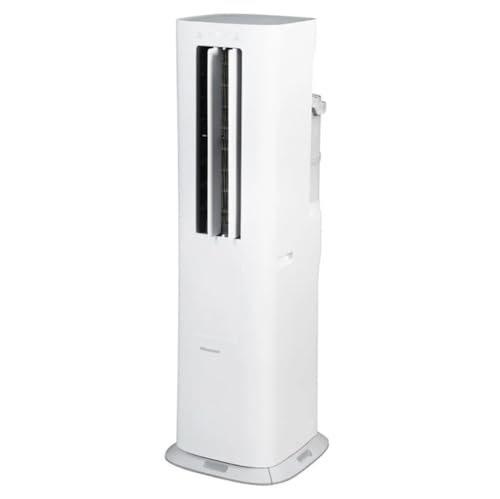
Hisense 8000 BTU 350 Sq. Ft. with Inverter Compressor, Dual Hose Portable Tower Air Conditioner HIAP0825TWD, up to 350 Sq Ft., Wi‑Fi app control for Alexa/Google, Oscillating - HIAP0825TWD (Renewed)
Check price on Amazon
Hisense API0825UW1D Smart Inverter Twin Hose 8,000 BTU (DOE) 350 SF Heat/Cool Tower Portable Air Conditioner, White
Check price on AmazonThis guide is provided for educational purposes. Installation requirements, electrical specifications, and venting compatibility vary by model — always confirm details with the manufacturer's documentation before purchase.