Affordable Heating and Air: A Complete Buyer's Guide
Learn how to choose a heating and cooling system that fits your home, your climate, and your long-term energy goals — without compromising on quality or comfort.
START YOUR RESEARCHWhy this guide matters: Heating and air systems are one of the largest long-term investments in any home. This page walks you through system types, tier classifications, efficiency ratings, and real-world selection criteria so you can make a confident, informed decision before you buy.
Understanding Heating and Air Systems
Heating and air conditioning systems fall into several broad categories, each designed for different home layouts, climates, and installation constraints. Before comparing individual models, it helps to understand the three main families of systems available today:
- Central ducted systems — a single indoor air handler distributes conditioned air through ductwork. Best for homes with existing ducts and multi-room coverage.
- Ductless mini-split systems — wall-mounted indoor heads connected to an outdoor compressor. Ideal for homes without ducts, additions, and room-by-room zoning. See our guide to affordable mini-splits for a deeper comparison.
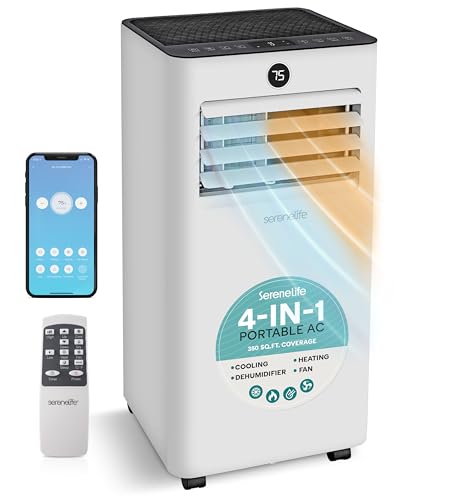
- Window and portable units — single-room solutions that require no permanent installation. Well-suited to renters and small spaces.
For homeowners exploring combined systems, an all-in-one heating and air conditioning unit can simplify installation and reduce equipment footprint. Similarly, a central air and furnace combo remains the most common configuration in North American homes with existing ductwork.
System Tier Framework: Entry-Level to Premium
Rather than focusing on raw numbers, it helps to classify heating and air systems by their position in the market. The framework below uses universal tier descriptors so the comparison remains relevant regardless of region or time.
Essential Tier
- Single-stage compressors
- Standard SEER ratings
- Basic thermostat compatibility
- Solid build for typical residential use
- Best for mild climates and small homes
Balanced Tier
- Two-stage or entry inverter compressors
- Mid-range SEER efficiency
- Programmable thermostat support
- Improved humidity control
- Best for most family homes
Top-Tier
- Variable-speed inverter technology
- High SEER and HSPF ratings
- Smart thermostat integration
- Quiet operation and zone control
- Best for long-term owners in extreme climates
Within each tier, models vary in build quality and feature depth. A well-specified balanced-tier system often delivers the strongest overall ownership experience, while top-tier systems reward homeowners who plan to stay in their property for many years and live in climates with long cooling or heating seasons.
Heating and Air System Comparison by Category
The table below summarizes how common system categories map to the tier framework. Use it as a starting point for narrowing your options.
| System Category | Typical Tier | Best For | Notable Strengths |
|---|---|---|---|
| Window AC unit | Essential tier | Single rooms, renters | Simple installation, compact footprint |
| Portable AC | Essential tier | Temporary or movable cooling | No permanent installation required |
| Ductless mini-split | Balanced to top-tier | Homes without ducts, additions | Zoned comfort, high efficiency |
| Central AC with furnace | Balanced to top-tier | Whole-home coverage | Even temperature distribution |
| Heat pump | Balanced to top-tier | Year-round heating and cooling | Dual-function, efficient in mild climates |
| Packaged unit | Essential to balanced tier | Roof or slab installation | Consolidated equipment footprint |
If you are converting an existing forced-air heating setup, our guide on adding air conditioning to ducted heating explains how to integrate cooling without replacing the entire system. For properties without ductwork, air conditioning systems without ductwork covers the leading alternatives.
Efficiency Ratings Explained
Efficiency ratings are the most reliable way to compare long-term energy use across systems. The three ratings that matter most for heating and air are:
- SEER / SEER2 — measures cooling efficiency across a season. Higher ratings indicate less energy used per unit of cooling.
- HSPF / HSPF2 — measures heating efficiency for heat pumps across a season.
- EER — measures efficiency at peak temperature conditions, useful for very hot climates.
A common misconception is that the highest efficiency tier is always the best choice. In practice, a balanced-tier system with a solid SEER rating often provides the best overall ownership experience for typical homes. Top-tier systems make more sense for homeowners in climates with extreme cooling or heating loads, or those planning to remain in the home for a decade or more.
Correct Sizing and Professional Installation
Even the most efficient system will underperform if it is incorrectly sized. An oversized unit short-cycles, fails to remove humidity effectively, and wears out faster. An undersized unit runs continuously and struggles to reach the target temperature on hot days.
A professional load calculation — often referred to as a Manual J calculation — accounts for square footage, ceiling height, insulation, window area, and local climate. This step is non-negotiable for central systems and strongly recommended for mini-splits covering multiple rooms.
When selecting an installer, look for licensed contractors with verifiable references. Our air conditioning and heating services overview explains what a proper installation visit should include, while the air conditioning tune-up service guide covers the maintenance routine that protects your investment over time.
Maximizing Efficiency After Installation
System selection is only half of the equation. The way a system is operated and maintained determines a large share of its real-world energy use. Practical steps include:
- Replacing air filters on schedule — a clogged filter forces the blower to work harder. Consult our air handler filters reference for filter types and intervals.
- Sealing and insulating ductwork in unconditioned spaces, which prevents conditioned air from being lost before it reaches the rooms.
- Using a programmable or smart thermostat to align operation with daily occupancy patterns.
- Scheduling annual professional maintenance to catch refrigerant and component issues early.
Homeowners interested in broader system-level upgrades can explore affordable HVAC systems for a whole-home perspective, including how to balance equipment tier with installation quality.
Common Mistakes to Avoid
Buyers researching heating and air often run into the same avoidable pitfalls. Watch for these:
- Choosing by equipment tier alone. Installation quality and correct sizing matter as much as the model tier.
- Ignoring climate-specific needs. A system optimized for mild coastal weather may underperform in a region with severe winters.
- Skipping the load calculation. Rule-of-thumb sizing leads to comfort problems and higher energy use.
- Overlooking long-term maintenance. Even top-tier systems degrade without regular service.
- Mixing incompatible components. Pairing an air handler with a mismatched outdoor unit reduces efficiency and may void warranties.
Repair or Replace? A Practical Decision Framework
If your current system is failing, the decision between repair and replacement depends on three factors: the age of the equipment, the frequency of recent repairs, and the efficiency gap between the existing unit and current-tier models.
As a general guideline, systems that have required multiple repairs in a short period, or that are well past their expected service life, are better candidates for replacement than repeated repair. Our air conditioner and furnace deals page outlines how to evaluate bundled replacement options, and the air conditioning replacement companies guide explains how to vet contractors before committing.
Ready to Compare Systems?
Use the curated product list below to explore current models across tiers, then match your shortlist against the criteria in this guide.
VIEW RECOMMENDED SYSTEMSFrequently Asked Questions
What is the most efficient heating and air system to operate?
Entry-level inverter mini-splits and high-efficiency window units typically offer the lowest operating energy consumption within their class, especially when sized correctly and installed in well-sealed spaces. For whole-home systems, balanced-tier heat pumps with mid-range SEER and HSPF ratings often deliver the strongest efficiency-to-investment balance.
How do I choose between a heat pump and a traditional furnace?
Heat pumps provide both heating and cooling in one system and are ideal for mild to moderate climates. Traditional furnaces paired with a separate AC are better suited to very cold climates but require two systems. A central air and furnace combo remains the most common configuration in homes with existing ductwork.
Does a higher SEER rating always mean better value?
Not always. Higher SEER systems use less energy, but the upfront investment is higher. Mid-range SEER models often deliver the best balance for typical residential use, while premium tiers suit long-term owners in hot climates or homes with high cooling loads.
How long does a typical heating and air system last?
With proper maintenance, central systems generally last 15 to 20 years, while mini-splits often last 12 to 15 years. Regular filter changes and annual professional service are the most reliable ways to extend service life.
Do I need a permit to install a new heating and air system?
In most jurisdictions, yes. Permits ensure the installation meets local building and electrical codes. Your licensed contractor should handle the permit process as part of the installation scope, and the inspection record becomes part of your home's documentation.