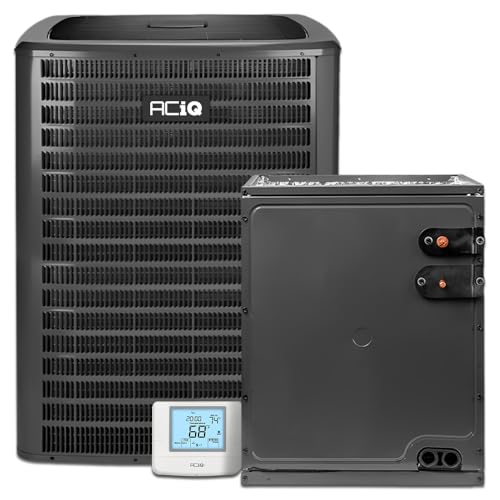
Central Air and Furnace Combo: The Complete Guide
Understand how combined heating and cooling systems work, what to look for, and how to choose the right setup for year-round comfort
START LEARNINGWhy consider a combo system? A central air and furnace combo delivers both cooling and heating through one shared duct network. For homeowners in climates with distinct seasons, this integrated approach simplifies installation, saves floor space compared with separate systems, and often provides the most practical path to whole-home comfort.
What Is a Central Air and Furnace Combo System?
A central air and furnace combo is a matched heating and cooling setup in which a central air conditioner (or heat pump) and a furnace share the same ductwork and air distribution system. The furnace generates warm air during cold months, while the air conditioner removes heat and humidity during warm months. Both components push conditioned air through the same supply and return ducts, so the home gets consistent comfort from a single infrastructure.
This arrangement is sometimes called a split system with a matched indoor unit. The furnace typically sits indoors in a closet, basement, attic, or mechanical room, and the AC condenser sits outdoors. A coil — either the evaporator coil for cooling or a heat pump coil — is mounted at the furnace outlet or inside the air handler cabinet. The system is controlled by one thermostat that switches between heating and cooling modes.
Compared with separate heating and cooling equipment, a combo system reduces duplication: one blower, one filter rack, one duct network, and one control interface. That simplicity is appealing, but it also means the furnace and AC must be properly matched in airflow capacity and electrical requirements. A mismatch — an oversized furnace paired with an undersized coil, for example — can hurt efficiency and comfort.
If you already have ductwork from a forced-air furnace, adding cooling may be more straightforward. Homeowners often explore how to add air conditioning to an existing ducted heating system, and a combo upgrade is the most common path.
How the Combo System Works
The two halves of the system share the indoor air handler and ductwork but operate independently according to the thermostat's mode:
- Cooling mode: The outdoor condenser compresses refrigerant and releases heat outdoors. Inside, the evaporator coil absorbs heat and moisture from return air, and the furnace blower distributes cooled air through the ducts.
- Heating mode (gas furnace): The furnace burns fuel in a heat exchanger, and the blower pushes warm air through the same ducts. The outdoor AC unit stays off.
- Heating mode (electric furnace): Electric resistance elements or a heat pump provide warmth. With a heat pump, the process reverses and the outdoor unit becomes the heat source.
- Fan-only mode: The blower circulates air for ventilation or filtration without heating or cooling.
The thermostat coordinates mode changes. In a heat pump plus furnace setup (a dual-fuel system), the thermostat or a control board chooses the more efficient heat source based on outdoor temperature. That switching behavior is worth discussing with your contractor, since it affects both comfort and long-term energy use.
Common Combo Configurations
There is no single "combo" formula. The right configuration depends on your climate, fuel availability, duct condition, and long-term plans for the home.
| Configuration | Cooling Source | Heating Source | Best For |
|---|---|---|---|
| AC + Gas Furnace | Central AC condenser and coil | Natural gas or propane furnace | Cold climates with existing gas service |
| AC + Electric Furnace | Central AC condenser and coil | Electric resistance furnace | Mild climates or homes without gas lines |
| Heat Pump + Gas Furnace | Heat pump in cooling mode | Heat pump plus furnace backup | Regions with moderate winters and gas access |
| Heat Pump + Electric Air Handler | Heat pump in cooling mode | Heat pump with electric backup | Mild-to-moderate climates, all-electric homes |
The dual-fuel heat pump and furnace combination is increasingly popular because it can switch to the furnace during deep cold snaps when heat pump capacity and efficiency decline. If you are evaluating that path, a broader look at all-in-one heating and air conditioning units can help you frame the trade-offs.
Sizing a Central Air and Furnace Combo
Sizing is the single most important decision in the buying process. A system that is too large cools too quickly, leaves humidity high, and cycles on and off frequently. A system that is too small runs continuously on peak days and may never reach the setpoint. In both cases, comfort and durability suffer.
Professional sizing relies on a Manual J load calculation, which accounts for:
- Conditioned floor area and ceiling height
- Insulation levels in walls, ceilings, and floors
- Window area, glazing type, and shading
- Air infiltration and duct leakage
- Local climate design temperatures
- Occupant count and internal heat gains
Rule-of-thumb sizing, such as matching tonnage to square footage alone, is not a substitute for a load calculation. Ask your contractor to show the calculation and to explain how the furnace airflow capacity matches the AC coil. A mismatched indoor coil and furnace can cause icing, premature blower wear, or reduced capacity.
If you are comparing this setup with alternatives, our guide to how to size an air conditioner explains the underlying methodology in more depth, and a dedicated BTU calculator by room size can help you sanity-check the contractor's numbers.
Efficiency Ratings That Matter
Efficiency is split between the cooling side and the heating side, so you will evaluate two different rating systems.
| Rating | Applies To | What It Measures |
|---|---|---|
| SEER2 | Air conditioners and heat pumps | Seasonal cooling efficiency under updated DOE test procedures |
| EER2 | Air conditioners and heat pumps | Cooling efficiency at peak design conditions |
| HSPF2 | Heat pumps | Seasonal heating efficiency |
| AFUE | Gas and oil furnaces | Annual fuel utilization efficiency for heating |
Higher ratings generally mean more efficient operation, but efficiency should be weighed against climate, usage patterns, and how long you plan to remain in the home. In mild climates where heating demand is low, spending heavily on a top-tier furnace may return less benefit than improving duct sealing or insulation. In cold climates, furnace AFUE and heat pump cold-weather performance deserve closer attention.
Our explainers on SEER ratings, EER ratings, and HSPF ratings break down how each metric is calculated. If you are considering a heat pump as the cooling and heating source, heat pump vs air conditioner compares the two approaches directly.
Ductwork: The Shared Backbone
A combo system is only as good as the ductwork that distributes its output. Leaky or undersized ducts waste capacity, create pressure imbalances, and pull unconditioned air into the system. Before committing to a combo installation, have the ducts inspected and, if needed, sealed and balanced.
Key considerations include supply and return sizing, static pressure, duct insulation in unconditioned spaces, and the location of registers. A contractor should perform a room-by-room airflow check after installation, not just a single temperature reading at the thermostat. If ductwork needs replacement as part of the project, factor that into the overall scope rather than treating it as an afterthought.
Homeowners replacing aging equipment often find that replacing ductwork is a necessary part of the project. Duct design also interacts with zoning decisions; if you plan to zone the home, review HVAC zoning systems before finalizing equipment selection.
Combo System vs Separate Systems
Some homeowners consider separate systems, such as a ductless mini-split for cooling and a boiler for heating. Each approach has trade-offs.
| Factor | Central Combo | Separate Systems |
|---|---|---|
| Ductwork | Shared duct network | Often no shared ducts |
| Controls | Single thermostat | Multiple controls |
| Installation complexity | Integrated, single project | Multiple trades and projects |
| Zoning flexibility | Requires damper-based zoning | Room-by-room control is easier |
| Maintenance | One service visit covers both | Separate service schedules |
Ductless options are compelling for additions, older homes without ducts, and room-specific comfort. Our guide to ductless vs ducted AC explains where each approach excels. For homes without ductwork, air conditioning systems without ductwork covers the main alternatives.
Installation: What the Process Involves
A combo installation typically includes removing old equipment, verifying electrical service and gas connections, setting the furnace and coil, connecting refrigerant lines, sealing the plenum, installing the outdoor condenser, and commissioning the system. The contractor should also check thermostat wiring, condensate drainage, and filter accessibility.
Before work begins, confirm permits, insurance, and warranty terms in writing. Ask how the contractor will protect floors and finishes, how long the home will be without heating or cooling, and what the final commissioning checklist includes. A thorough commissioning process covers refrigerant charge verification, temperature split measurement, static pressure readings, and a combustion safety check for gas furnaces.
For a sense of how installation scope affects project planning, see central air conditioning system installation and installing a new furnace and air conditioning for process details. If your project also involves replacing the air handler, new AC unit and air handler outlines what that entails.
Maintenance for Long-Term Performance
Routine maintenance protects both halves of the combo and keeps efficiency from drifting downward. A practical schedule includes:
- Monthly: Check and replace the air filter according to the manufacturer's guidance or whenever it appears loaded.
- Seasonally: Clear debris from the outdoor condenser, verify condensate drainage, and confirm the thermostat switches modes correctly.
- Annually: Schedule a professional tune-up that covers coil cleaning, refrigerant charge verification, blower inspection, furnace combustion analysis, and safety checks.
An annual service agreement can simplify scheduling and ensure both components are inspected at the right times. Our overview of annual maintenance contracts explains what these agreements typically include, and AC tune-up service describes what a proper visit should cover.
Filter selection matters more than many homeowners expect. A filter that is too restrictive can starve the blower and reduce airflow across the coil. Our guide to air handler filters helps you choose a filter that balances filtration with airflow.
Common Issues and When to Call a Professional
Combo systems share failure points with standalone equipment, but some issues are specific to the shared air path. Watch for these symptoms:
- Weak airflow in both modes: Often a clogged filter, failing blower, or duct restriction rather than an equipment fault.
- Cooling but not heating (or vice versa): Could indicate a thermostat configuration problem, a failed reversing valve on a heat pump, or a furnace ignition issue.
- Short cycling: Frequently caused by oversizing, a thermostat placement problem, or refrigerant charge issues.
- Water around the indoor unit: Typically a blocked condensate drain or a frozen coil from restricted airflow.
Some tasks are safe for homeowners, such as filter changes and clearing debris around the outdoor unit. Refrigerant work, electrical diagnostics, and combustion-related repairs require licensed professionals. Our guides to AC not cooling, AC leaking water, and when to call an HVAC technician help you decide when to escalate.
If a repair is needed, understanding typical component scope helps you evaluate proposals. Our pages on compressor replacement, blower motor replacement, and expansion valve replacement describe what these jobs involve. For a broader planning view, see replace vs repair.
How to Evaluate a Combo System Before Buying
When comparing options, focus on the factors that affect comfort and long-term ownership rather than marketing claims. A practical checklist:
- Matched components: Confirm the furnace, coil, and condenser are designed to work together and that the airflow capacity aligns.
- Efficiency balance: A high-efficiency furnace paired with a lower-tier condenser may be a poor match for a cooling-dominated climate, and vice versa.
- Warranty coverage: Compare parts and labor coverage, and check whether registration is required to preserve the full term.
- Contractor quality: Installation quality influences performance as much as equipment selection. Review licensing, insurance, and references.
- Noise and placement: Confirm the outdoor unit location respects clearances and local requirements, and that the indoor unit does not create noise issues in living spaces.
For a broader purchasing framework, our AC shopping guide and how to choose an HVAC contractor provide structured questions to ask. If you are comparing combo systems against other whole-home approaches, whole house AC systems puts the options side by side.
Signs It May Be Time to Upgrade
Equipment does not fail on a convenient schedule. Consider a planned replacement when you notice a cluster of warning signs:
- Repairs are becoming more frequent or involve major components
- Comfort varies noticeably between rooms or between floors
- Humidity remains high even when the AC runs consistently
- Energy use has crept upward without a change in habits
- The system uses an older refrigerant or lacks modern efficiency features
If you are weighing a full replacement, our guide to complete HVAC replacement outlines the scope, and central HVAC replacement covers the decision framework. Homeowners planning a combined project often review replacing HVAC and furnace to understand how the two workstreams fit together.
Frequently Asked Questions
What is a central air and furnace combo system?
A central air and furnace combo system pairs a central air conditioner (or heat pump) with a gas or electric furnace, sharing the same ductwork. The furnace handles heating in winter, while the AC cools the home in summer, giving you year-round comfort from one integrated setup.
How do I choose the right size for a central air and furnace combo?
Proper sizing requires a Manual J load calculation based on your home's square footage, insulation, window area, climate, and occupant count. Oversized systems short-cycle and dehumidify poorly; undersized systems struggle on peak days. Always ask your contractor to perform a room-by-room load calculation rather than relying on rule-of-thumb sizing.
What efficiency ratings matter for a furnace and AC combo?
For the cooling side, look at SEER2 and EER2 ratings. For the heating side of a gas furnace, check AFUE (Annual Fuel Utilization Efficiency). Higher ratings mean more efficient operation, but you should balance efficiency against your local climate and how long you plan to stay in the home.
Can I add central air to an existing furnace?
In many cases, yes. If your furnace has a compatible air handler, plenum, and ductwork, an AC coil and condenser can often be added. A contractor will verify airflow capacity, electrical service, and duct sizing before recommending this path.
How long does a central air and furnace combo last?
A well-maintained furnace typically lasts 15 to 20 years, while the outdoor AC condenser usually lasts 10 to 15 years. Because the two components often age differently, planning for staggered replacement is common in a combo system.
Final Thoughts
A central air and furnace combo is a practical, integrated solution for year-round comfort in homes with existing ductwork. The key to a successful purchase is not the badge on the equipment but the quality of the planning: correct sizing, matched components, sound ductwork, and professional installation. Take time to compare configurations, verify efficiency ratings against your climate, and ask contractors to document their load calculations and commissioning results. Done well, a combo system can serve a home reliably for well over a decade.
If you are still mapping the broader decision, our guides on central air conditioning, putting in central air and heat, and all-in-one heating and air conditioning units provide additional context. For homes weighing ductless alternatives, ductless vs ducted AC is a useful comparison point.